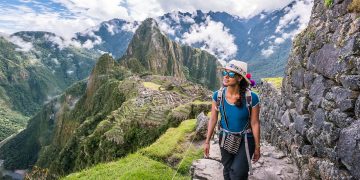









The Inca Trail in Peru, winding through the Andean highlands and culminating at the breathtaking citadel of Machu Picchu, is one of the world’s most iconic trekking routes. Combining cultural heritage, stunning landscapes, and challenging high-altitude hiking, the trail offers trekkers a unique opportunity to experience the remnants of the ancient Inca civilization firsthand. Trekking the Inca Trail is not only a physical journey but also an immersive cultural experience, providing insight into Inca engineering, Andean ecosystems, and Peru’s historical legacy.
This comprehensive guide explores the Inca Trail’s history, routes, preparation strategies, daily itineraries, health precautions, gear requirements, and environmental considerations, ensuring trekkers can experience this legendary trail safely and meaningfully.
1. Understanding the Inca Trail
1.1 Historical Context
The Inca Trail, or Qhapaq Ñan, was part of an extensive network of roads constructed by the Inca Empire during the 15th and early 16th centuries. Spanning over 25,000 miles across the Andean region, these trails facilitated trade, communication, and administration across the empire. The Peruvian Inca Trail leading to Machu Picchu is the most famous, providing access to one of the empire’s most significant ceremonial and administrative centers.
1.2 Geographic and Climatic Overview
The Inca Trail traverses diverse ecosystems and altitudes, typically ranging from 2,600 meters (8,530 feet) to over 4,200 meters (13,780 feet) at the highest point, Dead Woman’s Pass (Warmiwañusqa). Hikers encounter:
- Cloud Forests: Dense vegetation, abundant wildlife, and misty trails.
- High Andes: Rugged mountains, steep passes, and panoramic vistas.
- Archaeological Sites: Ruins, terraces, and ceremonial structures reflecting Inca ingenuity.
The climate varies by season:
- Dry Season (May–September): Clear skies, cooler temperatures, ideal trekking conditions.
- Wet Season (November–March): Frequent rainfall, muddy trails, and challenging conditions.
2. Trekking Routes
2.1 Classic Inca Trail
- Duration: 4 days / 3 nights
- Distance: Approximately 43 kilometers (26.7 miles)
- Highlights:
- Dead Woman’s Pass at 4,215 meters (13,828 feet)
- Archaeological sites such as Runkurakay, Sayacmarca, and Phuyupatamarca
- Arrival at Inti Punku (Sun Gate) for Machu Picchu sunrise view
The classic route is most popular due to its cultural and scenic significance but requires physical endurance for steep ascents and high altitudes.
2.2 Short Inca Trail
- Duration: 1–2 days
- Distance: 10–12 kilometers (6–7.5 miles)
- Highlights:
- Quick access to Machu Picchu via the Sun Gate
- Suitable for hikers with limited time or lower fitness levels
- Recommendation: Offers a condensed experience while still showcasing iconic views.
2.3 Alternative Routes to Machu Picchu
Several alternative treks provide a longer, less crowded experience:
- Salkantay Trek: 5–7 days, traversing glaciers, high passes, and tropical valleys.
- Lares Trek: 4–6 days, visiting remote Andean villages and hot springs.
- Choquequirao Trek: 7–10 days, connecting Choquequirao ruins to Machu Picchu, ideal for adventurous trekkers seeking solitude.
3. Physical Preparation and Training
Trekking the Inca Trail demands cardiovascular endurance, muscular strength, and acclimatization to high altitude. Preparation strategies include:
3.1 Cardiovascular Training
- Hiking or walking with weighted backpacks
- Running or cycling to increase lung capacity
- Stair climbing to simulate steep ascents
3.2 Strength and Core Training
- Leg exercises: squats, lunges, step-ups
- Core workouts: planks, sit-ups, balance exercises
- Back and shoulder conditioning for carrying backpacks
3.3 Acclimatization
- Spending several days in Cusco or the Sacred Valley prior to the trek
- Optional day hikes in surrounding hills to adjust to altitude
- Hydration and gradual ascent are key to preventing Acute Mountain Sickness (AMS)
3.4 Mental Preparation
- Endurance treks require patience and resilience
- Visualization of challenging sections, such as Dead Woman’s Pass, can boost confidence
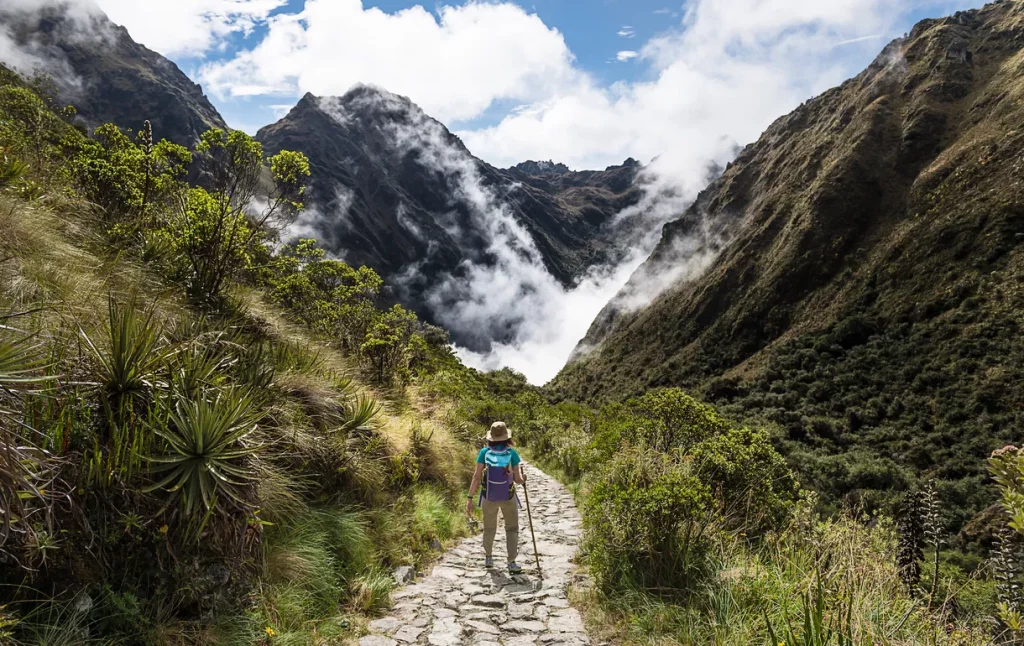
4. Health and Safety Considerations
4.1 Altitude Awareness
- Altitude sickness can occur above 2,500 meters (8,200 feet)
- Common symptoms: headache, nausea, dizziness, fatigue
- Severe conditions: High-Altitude Pulmonary Edema (HAPE) or High-Altitude Cerebral Edema (HACE) require immediate descent
4.2 Preventive Measures
- Ascend slowly and schedule acclimatization days
- Hydrate consistently and avoid alcohol
- Consider prophylactic medication (acetazolamide) under medical guidance
- Monitor symptoms daily and descend if necessary
4.3 Personal Safety
- Stick to authorized trails and follow guides’ instructions
- Avoid solo trekking due to challenging terrain and wildlife risks
- Carry a basic first-aid kit including bandages, antiseptics, pain relief, and blister care
5. Gear and Equipment Essentials
Successful Inca Trail treks depend on appropriate clothing, footwear, and accessories:
5.1 Clothing
- Base Layer: Moisture-wicking shirts and thermal leggings
- Insulating Layer: Fleece or lightweight down jacket
- Outer Layer: Waterproof, windproof jacket and pants
- Accessories: Gloves, hat, buff, sunglasses
5.2 Footwear
- Sturdy, waterproof hiking boots with ankle support
- Moisture-wicking socks and gaiters to protect against mud and rain
5.3 Camping and Hiking Gear
- Daypack with hydration system
- Sleeping bag rated to 0°C–5°C (32°F–41°F) if camping on multi-day routes
- Trekking poles to reduce joint strain on steep descents
- Headlamp with spare batteries
5.4 Miscellaneous Items
- Sunscreen and insect repellent
- Snacks and energy bars for mid-day boosts
- Camera or smartphone for capturing the spectacular scenery
- Travel documents, permits, and emergency contact information
6. Trekking Logistics
6.1 Permits and Regulations
- Inca Trail permits are strictly regulated by the Peruvian government
- Limited to 500 hikers per day (including guides and porters)
- Book permits 4–6 months in advance during peak season (May–September)
6.2 Guided vs. Independent Trekking
- Guided tours provide logistical support, meals, and cultural interpretation
- Independent trekking is not permitted on the Inca Trail itself due to regulation
- Recommended operators include licensed agencies with experienced guides
6.3 Accommodation and Meals
- Camping: Provided by tour operators with tents and sleeping arrangements
- Meals: Typically three meals per day plus snacks; dietary preferences can often be accommodated
- Some treks include hotel stays in Aguas Calientes before or after the trail
7. Daily Trekking Itinerary (Example: Classic 4-Day Trail)
Day 1 – Km 82 to Wayllabamba (2,650 m / 8,694 ft)
- Hike: 10–12 km / 6–7.5 miles, 6–7 hours
- Terrain: River valleys, lush rainforest
- Highlights: Scenic waterfalls, pre-Inca ruins, acclimatization
Day 2 – Wayllabamba to Pacaymayo (3,600 m / 11,811 ft)
- Hike: 11–13 km / 6.8–8 miles, 7–8 hours
- Terrain: Steep ascent to Dead Woman’s Pass (4,215 m / 13,828 ft)
- Highlights: Panoramic Andes views, high-altitude flora
Day 3 – Pacaymayo to Wiñay Wayna (2,650 m / 8,694 ft)
- Hike: 16–18 km / 10–11 miles, 8–9 hours
- Terrain: Descents and moderate ascents through cloud forest
- Highlights: Inca archaeological sites such as Runkurakay, Sayacmarca, Phuyupatamarca
- Camp near Wiñay Wayna with ruins exploration
Day 4 – Wiñay Wayna to Machu Picchu (2,430 m / 7,970 ft)
- Hike: 5–7 km / 3–4 miles, 2–3 hours
- Terrain: Final ascent to Inti Punku (Sun Gate)
- Highlights: Sunrise over Machu Picchu, ceremonial arrival, guided exploration of the citadel
8. Environmental and Cultural Considerations
8.1 Leave No Trace Principles
- Carry out all waste, including biodegradable items
- Stay on established trails to prevent erosion
- Respect archaeological sites; do not remove artifacts or deface structures
8.2 Cultural Respect
- Learn about local Quechua culture and customs
- Interact respectfully with guides, porters, and local communities
- Support local economy through fair tipping and purchases
8.3 Wildlife Awareness
- Observe Andean wildlife, including birds, spectacled bears, and llamas, from a safe distance
- Avoid feeding or disturbing animals
9. Challenges and Tips for Success
- Altitude: Ascend slowly, hydrate, and consider acclimatization hikes before starting
- Weather: Be prepared for sudden rain and temperature changes; pack layers
- Trail Crowds: Book early and choose less busy trekking windows if possible
- Physical Demands: Train in advance and pace yourself; take breaks as needed
- Mental Resilience: Maintain a positive attitude and embrace the cultural and natural experience
10. Psychological and Transformative Experience
Trekking the Inca Trail is not just a physical endeavor but a transformative journey:
- Witnessing sunrise over Machu Picchu evokes profound awe
- The combination of natural beauty, Inca history, and personal challenge fosters self-discovery
- Interaction with porters and local guides provides insight into Andean traditions and daily life
Many trekkers describe reaching Machu Picchu as a spiritual and emotional climax, rewarding months of preparation and effort.
11. Conclusion
The Inca Trail in Peru offers a rare combination of cultural immersion, natural beauty, and trekking challenge. Successful treks depend on careful preparation, acclimatization, proper gear, and respect for local regulations and traditions. Whether following the classic 4-day route or exploring alternative trails such as Salkantay or Lares, the journey is as enriching as the destination.
Trekking the Inca Trail is a once-in-a-lifetime adventure that connects hikers to the ingenuity of the Inca civilization, the majesty of the Andes, and the vibrant culture of Peru. With preparation, determination, and respect for the environment, the experience is unforgettable, culminating in the awe-inspiring sight of Machu Picchu—one of the most iconic monuments in human history.