









Introduction
Extreme heat and drought are no longer rare occurrences confined to isolated deserts; they have become defining challenges of the 21st century. From rapidly intensifying heatwaves to prolonged water scarcity and expanding drylands, high-temperature drought environments now pose substantial risks to health, agriculture, infrastructure, and human survival. As global temperatures rise and climate variability increases, learning how to understand, withstand, and adapt to heat-drought conditions is not merely a skill for desert travelers—it is increasingly relevant for urban residents, farmers, athletes, outdoor workers, and emergency responders.
A high-temperature drought environment—commonly referred to as an arid or hyper-arid climate—features extremely limited water availability, persistent heat stress, high evaporation rates, and often sparse vegetation. These environments shape ecosystems, human settlements, and survival challenges in ways that differ profoundly from temperate or humid climates.
This 3200+ word professional guide explores the physical science of heat and drought, human physiological limits, survival strategies, environmental indicators, water acquisition techniques, risk mitigation, and preparation methods. It is written to be both highly informative and practically usable—equipping you with the knowledge to survive and operate intelligently in extreme heat and water-scarce conditions.
PART I — Understanding Extreme Heat and Drought Environments
Before discussing survival strategies, we must understand what defines such environments and how they function.
1. What Is a High-Temperature Drought Environment?
Such environments are defined by several measurable characteristics:
1.1 Very Low Rainfall
- Under 250 mm (10 in) per year qualifies as desert.
- Hyper-arid regions get less than 25 mm.
1.2 High Evaporation Rates
Evaporation can exceed precipitation by 10–20 times, creating a net water deficit.
1.3 Persistent Heat Extremes
Daytime temperatures may exceed:
- 40–50°C (104–122°F) regularly
- Ground surface temperatures up to 70°C (158°F)
1.4 Sparse Vegetation and Dry Soils
Plant cover is minimal, and soil contains little moisture.
1.5 Large Temperature Fluctuations
Deserts heat dramatically during the day and cool rapidly at night, sometimes dropping to near freezing.
2. Types of Heat-Drought Environments
2.1 Hot Deserts
- Sahara
- Arabian Peninsula
- Sonoran Desert
Defined by extreme temperatures and sand or rock terrains.
2.2 Semi-Arid Regions
- African Sahel
- Southwestern US
- Central Asia
These show seasonal drought cycles and expanding drylands due to climate change.
2.3 Urban Heat Deserts
Cities experiencing:
- Heat island effect
- Water shortages
- High concrete-induced heat retention
Urban populations face similar dangers as natural desert travelers.
3. Environmental Factors That Increase Danger
3.1 Direct Solar Radiation
Causes surface overheating and rapid dehydration.
3.2 Low Humidity
Sweat evaporates quickly, leading to unnoticed fluid loss.
3.3 Hot Winds
Increase dehydration and dust exposure.
3.4 Intense UV Radiation
In desert latitudes UV index often reaches 11+ (extreme danger).
3.5 Scarcity of Water Sources
Lakes, streams, and wells may be seasonal or hidden.
PART II — Human Physiology Under Extreme Heat and Drought
Survival depends on understanding what the human body can and cannot tolerate.
1. Core Temperature and Heat Stress
Normal core temperature: 37°C (98.6°F)
Critical danger begins above 40°C (104°F).
Heat stress reduces:
- Cognitive ability
- Coordination
- Judgment
- Physical stamina
2. Mechanisms of Heat Loss
The body cools itself through:
- Sweating (primary mechanism)
- Vasodilation (blood vessels expand to release heat)
- Breathing (exhaled moisture releases heat)
In extreme heat, these mechanisms become overwhelmed.
3. Dehydration Dynamics
A person can lose:
- 0.5–1 L per hour in moderate heat
- 1–2.5 L per hour in high heat
Symptoms progress rapidly:
- Thirst
- Dry mouth
- Dizziness
- Reduced sweating
- Heat exhaustion
- Heat stroke (life-threatening)
Losing just 2% of body weight in water impairs cognition.
Loss of 10–15% can be fatal without intervention.
4. Salt Loss and Electrolyte Decline
Sweating drains:
- Sodium
- Potassium
- Magnesium
Lack of electrolytes leads to:
- Muscle cramps
- Confusion
- Heart irregularities
Replacing electrolytes is as important as replacing water.
PART III — Major Hazards in High-Temperature Drought Environments
Understanding threats makes it possible to mitigate them.
1. Heatstroke
A medical emergency with symptoms:
- Loss of consciousness
- Hot, dry skin
- Confusion
- Uncoordinated movement
Requires immediate cooling and evacuation.
2. Heat Exhaustion
Precursor to heatstroke:
- Profuse sweating
- Pale skin
- Rapid pulse
- Weakness
Cooling, hydration, and rest are critical.
3. Severe Dehydration
Results in:
- Headache
- Low blood pressure
- Dark urine
- Organ stress
Untreated, it leads to fatal outcomes.
4. Solar Radiation Burns
UV radiation can burn skin in 10–20 minutes in extreme conditions.
5. Disorientation from Thermal Mirage
Heat distortions can obscure terrain and mislead navigation.
6. Wildlife Risk
In some drought regions:
- Venomous snakes
- Scorpions
- Heat-adapted predators or insects
7. Flash Floods
Ironically, deserts are highly prone to flash floods due to dry, compacted soil that cannot absorb sudden rain.
PART IV — Survival Strategies for High-Temperature Drought Environments
This section offers professional-grade techniques applicable to desert travel, outdoor work, emergency situations, and expeditions.
SECTION A — Water Acquisition and Management
1. Prioritize Water Conservation First
Before seeking water, reduce water loss.
1.1 Move Slowly
Physical exertion accelerates dehydration.
1.2 Travel During Cool Hours
- Dawn
- Dusk
- Night
Avoid midday heat.
1.3 Minimize Sweat Loss
- Stay shaded
- Wear loose, light clothing
- Limit talking
- Avoid unnecessary movement
2. Finding Water Sources
2.1 Dry Riverbeds (Wadis / Arroyos)
Dig at the lowest points—moisture sometimes sits below surface.
2.2 Vegetation Indicators
Plants with deep roots signal underground water:
- Tamarisk
- Date palms
- Willow near desert oases
2.3 Rock Formations
Water collects near:
- Cliffsides
- Rock basins
- Shaded ravines
2.4 Morning Condensation
Collect dew using:
- Cloth dragged across vegetation
- Plastic sheets
- Smooth rock surfaces
2.5 Solar Still (Emergency Only)
Produces small, but clean water using:
- Hole in ground
- Plastic sheet
- Container
Not efficient but useful in extreme cases.
3. Water Purification
Even desert water may contain:
- Bacteria
- Chemical pollutants
- Algae
- Animal feces
Purification methods:
- Boiling
- Filtration
- Chemical tablets
- UV sterilization
4. Rationing Water Properly
Do not sip tiny amounts slowly. This causes dehydration while giving false security. Instead:
- Drink enough to maintain cognitive ability
- Conserve through reduced activity

SECTION B — Heat Management and Thermal Control
1. Shade Is Life
Use:
- Rocks
- Trees
- Tarp
- Clothing
- Vehicle structures
Artificial shading dramatically reduces heat stress.
2. Clothing Strategy
Proper attire:
- Long sleeves (protect from sun)
- Loose fit (allows airflow)
- Light colors (lower absorption)
- Hat with wide brim
- Head/neck covering
Avoid:
- Tight clothing
- Dark colors
- Exposed skin
3. Evaporative Cooling Techniques
Even minimal moisture helps:
- Wet clothing (if water is not dangerously limited)
- Cover mouth with damp cloth
- Protect neck arteries with cool material
4. Managing Hot Ground
Ground temps exceed 60°C:
- Use insulation layers when sitting
- Protect gear from melting
- Avoid barefoot contact
SECTION C — Navigation in Drought Environments
Navigation errors can be fatal. Heat stress reduces cognitive accuracy.
1. Use Landmarks
Deserts provide long-distance features:
- Mountains
- Large dunes
- Rock masses
- Distant ridges
2. Avoid Mirage Influence
Mirages distort:
- Distances
- Scale
- Water illusions
Trust maps and compass—not sight alone.
3. Travel at Night
Advantages:
- Cooler
- Less water loss
- Stars provide excellent orientation
Disadvantages:
- Limited visibility
- Wildlife encounters
Use red-light headlamps to preserve night vision.
4. High-Ground Reconnaissance
Climbing (safely) allows:
- Locating vegetation
- Identifying water routes
- Spotting human structures
SECTION D — Shelter-Building in Heat-Drought Climates
Shelter protects from heat better than it does from cold.
1. Natural Shelters
Use:
- Caves
- Overhangs
- Shaded dunes
- Trees
2. Tarp-Based Shelters
Key Principles:
- Maximize airflow
- Minimize solar exposure
- Keep head and torso shaded
Common configurations:
- Lean-to
- A-frame
- Elevated canopy
3. Vehicle as Shelter
If stranded:
- Keep windows slightly open for airflow
- Avoid sitting on hot metal surfaces
- Create reflective shade
PART V — Food Strategies in Drought Environments
Food is secondary to water but still relevant.
1. Minimize Food Intake
Digestion consumes water.
Eat sparingly until water is secured.
2. High-Energy Low-Water Foods
Choose:
- Nuts
- Hardtack
- Dried fruit (in small quantities)
- Energy bars
Avoid:
- Salt-heavy snacks
- Protein-heavy meals
- Raw plants (risk of toxins)
3. Edible Wildlife
Insects provide high protein with minimal water cost.
Small reptiles may provide water-rich tissue but require skill.
PART VI — Long-Term Survival and Adaptation
Not all heat-drought challenges are short-term emergencies. Many people live or work in such environments daily.
1. Residential Cooling Techniques (Off-Grid)
Traditional architecture offers solutions:
- Thick walls
- Courtyards
- High ceilings
- Wind towers (badgir system)
- Natural ventilation pathways
2. Behavioral Adaptation
Daily routines adjust:
- Rest midday
- Work during cooler hours
- Hydrate regularly
- Wear proper clothing
3. Community Water Management
Wells, cisterns, and qanats provide long-term water access.
4. Agriculture in Drought Regions
Successful strategies:
- Drip irrigation
- Drought-resistant crops
- Shade-net systems
- Soil mulching
- Terracing and water harvesting
PART VII — Emergency Response Protocols
Knowing what to do when things go wrong saves lives.
1. Heat Exhaustion Protocol
- Move to shade
- Cool with water
- Rehydrate with electrolytes
- Rest until symptoms stabilize
2. Heatstroke Protocol
Heatstroke requires immediate cooling:
- Cold water immersion
- Ice packs on neck/groin/armpits
- Fan and water spray
- Emergency evacuation
3. Lost-Person Protocol in Heat
- Stop moving
- Create shade
- Assess water
- Identify direction via terrain or celestial cues
- Plan controlled movement
4. Vehicle Breakdown Protocol
- Stay with vehicle
- Increase visibility
- Use reflective materials
- Limit daytime exertion
PART VIII — Essential Gear for Survival in Heat-Drought Conditions
Carrying the right equipment increases survival odds dramatically.
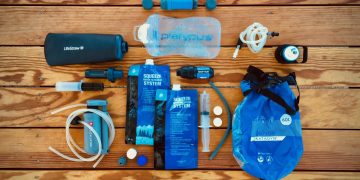
1. Water Gear
- Hydration bladder
- Collapsible containers
- Water filter
- Purification tablets
2. Sun Protection
- Hat
- Sunglasses
- Sun sleeves
- Sunscreen SPF 50+
3. Navigation Tools
- Compass
- Map
- GPS with backup power
4. Shelter Tools
- Tarp
- Paracord
- Stakes
5. Emergency Equipment
- Signal mirror
- Whistle
- Satellite beacon
- Firestarter
PART IX — Psychological Factors in Extreme Heat Survival
Mental resilience determines decision quality.
1. Heat-Induced Cognitive Decline
High core temperature weakens:
- Planning ability
- Judgment
- Memory
- Coordination
2. Staying Calm and Rational
Practice:
- Controlled breathing
- Self-monitoring
- Task lists
- Hydration schedule
3. Avoiding Panic Movement
Heat panic leads to:
- Rapid dehydration
- Poor navigation decisions
- Wasted energy
Staying still is often safer.
Conclusion
High-temperature drought environments are among Earth’s most challenging landscapes—beautiful yet unforgiving, vast yet empty, inspiring yet lethal when underestimated. As climate change accelerates and drought conditions intensify globally, the ability to understand, endure, and navigate such environments is increasingly vital.
Survival in these conditions relies on a deep integration of science, awareness, practical strategy, physical management, and intelligent decision-making. Proper preparation, hydration discipline, heat management, navigation awareness, and shelter use can mean the difference between life and death.
Whether you are an adventurer crossing a desert, a field worker operating in drylands, a traveler caught in a heatwave, or someone preparing for emergency scenarios, mastering these principles gives you control over some of the planet’s harshest conditions.