









Introduction
In recent years, adventure tourism has experienced a paradigm shift. Beyond conventional trekking and guided tours, there is a growing demand for high-end, small-group wilderness expeditions that emphasize authenticity, immersion, and challenge. Often referred to as “Wild Journey” experiences, these expeditions combine expert-led guidance, advanced survival skills, and intimate encounters with remote environments.
Unlike mass tourism, small-team expeditions prioritize quality, exclusivity, and personal transformation. Participants engage deeply with nature, culture, and self-discovery, navigating terrains that range from arctic tundras and dense jungles to alpine ridges and desert plateaus.
This article provides a comprehensive exploration of elite small-group wilderness expeditions, examining their historical evolution, logistical planning, physiological and psychological demands, environmental ethics, and cultural significance.
1. Historical Context of Small-Group Exploration
1.1 From Early Exploration to Modern Adventure
- Historical explorers, such as Lewis and Clark or Ernest Shackleton, embarked on small teams into uncharted or hostile territories.
- These expeditions demonstrated the importance of cohesion, skill diversity, and adaptability—principles that inform modern elite adventure groups.
1.2 Evolution of Adventure Tourism
- Post-20th century, adventure tourism shifted from individual or commercialized group experiences to tailored, high-end expeditions.
- Emphasis moved from sightseeing to immersive experiences, combining challenge, environmental understanding, and personal growth.
1.3 Rise of the “Wild Journey” Concept
- “Wild Journey” expeditions are curated for small teams (4–12 participants), allowing intensive skill development and personal attention.
- These journeys often integrate specialized training in survival, navigation, wildlife observation, and extreme environment adaptation.
2. Expedition Structure and Team Dynamics
2.1 Optimal Team Size and Composition
- Small groups enhance cohesion, communication, and safety.
- Teams typically include:
- Expedition leader/guide: Expert in terrain, navigation, and survival
- Medical and safety officer: Specialized in wilderness first aid
- Participants: Selected based on physical capability, mental resilience, and prior experience
2.2 Role Allocation and Skill Distribution
- Effective expeditions rely on diverse skill sets among members:
- Navigation, meteorology, climbing, or kayaking expertise
- Emergency response and first aid
- Environmental monitoring and documentation
2.3 Team Cohesion and Psychological Readiness
- Small-group dynamics amplify interpersonal pressures, requiring:
- Conflict resolution skills
- Leadership adaptability
- Trust and mutual reliance
- Team-building exercises prior to departure enhance cooperation and collective resilience.
3. Logistical Planning and Preparation
3.1 Destination Selection
- Elite expeditions prioritize remote, pristine, and ecologically significant locations.
- Site selection considers:
- Accessibility and risk level
- Seasonal climate patterns
- Environmental regulations and conservation impact
3.2 Equipment and Technology
- Lightweight, high-performance gear is essential:
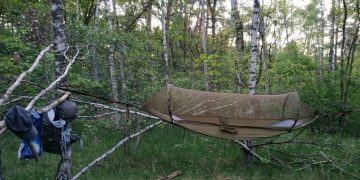
- Ultralight tents, carbon-fiber trekking poles, and multi-functional clothing
- GPS-enabled devices, satellite communication, and emergency signaling
- Redundancy planning: Critical equipment is often duplicated to mitigate risk in extreme conditions.
3.3 Nutrition and Hydration Strategies
- Expeditions require calorie-dense, lightweight rations optimized for endurance.
- Hydration systems include:
- Filtration and purification devices for natural water sources
- Electrolyte supplementation for prolonged physical exertion
4. Physiological Demands and Conditioning
4.1 Endurance and Strength Training
- Participants undergo pre-expedition conditioning programs targeting:
- Cardiovascular endurance for long treks
- Core and limb strength for climbing, paddling, and load-bearing
4.2 Altitude and Climate Adaptation
- Expeditions in high-altitude or extreme-temperature environments require:
- Acclimatization schedules to prevent altitude sickness
- Thermoregulation strategies in extreme cold or heat
- Layered clothing and mobility-focused gear
4.3 Injury Prevention and Emergency Response
- Small teams must self-manage injuries and medical emergencies.
- Training includes:
- Wilderness first aid
- Fracture stabilization, snake bite management, and hypothermia treatment
- Rapid evacuation planning in remote areas
5. Psychological and Cognitive Challenges
5.1 Mental Resilience
- Remote expeditions demand emotional stability, problem-solving under stress, and adaptability.
- Psychological preparation includes:
- Stress inoculation techniques
- Mindfulness and mental endurance training
- Scenario-based simulations for crisis response
5.2 Decision-Making Under Uncertainty
- Navigating uncharted terrain requires rapid assessment of risk, weather changes, and route options.
- Teams use shared decision-making models to balance safety and exploration objectives.
5.3 Flow and Peak Experience
- Participants often experience flow states, characterized by heightened focus, creativity, and deep connection to nature.
- Elite expeditions are designed to maximize these experiences, providing both challenge and reward.
6. Environmental and Ethical Considerations
6.1 Leave No Trace Principles
- Small-team expeditions minimize environmental footprint by:
- Carrying out all waste
- Avoiding disturbance to flora and fauna
- Using sustainable fuel sources for cooking
6.2 Wildlife Interaction and Safety
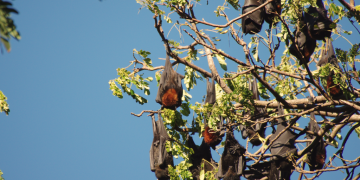
- Teams receive training in animal behavior, conflict avoidance, and habitat respect.
- Encounters with predators or fragile ecosystems are managed through prevention, observation protocols, and emergency planning.
6.3 Cultural Sensitivity
- Remote expeditions often intersect with indigenous lands and traditional territories.
- Ethical engagement includes:
- Securing permissions
- Learning local customs
- Supporting community-led conservation efforts
7. Adventure Techniques and Terrain Adaptation
7.1 Multi-Disciplinary Skills
- Elite expeditions integrate:
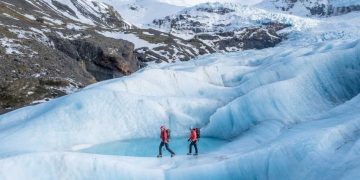
- Mountaineering and glacier navigation
- Kayaking and river fording
- Jungle trekking and desert survival
7.2 Navigation and Orientation
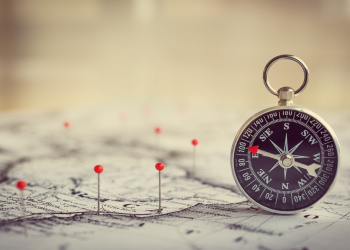
- Teams use map reading, GPS, and celestial navigation in combination.
- Redundancy is critical: backup navigation methods mitigate technology failure.
7.3 Safety in Extreme Conditions
- Protocols include:
- Avalanche and rockfall risk assessment
- Flood and rapid water monitoring
- Nighttime navigation and hazard identification
8. Technological Integration and Data Collection
8.1 Tracking and Communication
- Satellite phones and GPS trackers provide real-time updates for safety and logistical support.
- Data allows:
- Rescue coordination
- Environmental monitoring
- Expedition documentation
8.2 Scientific and Cultural Research
- Elite expeditions often contribute to:
- Wildlife surveys
- Climate research
- Cultural anthropology studies
- Small-team formats ensure minimal disruption while collecting meaningful data.
9. Cultural and Experiential Significance
9.1 Personal Transformation
- “Wild Journey” experiences foster:
- Confidence in facing uncertainty
- Appreciation for natural systems
- Enhanced self-reliance and adaptability
9.2 Social Bonding and Team Identity
- Intensive collaboration in high-stress environments builds deep interpersonal bonds.
- Participants develop shared narratives, mutual respect, and lifelong friendships.
9.3 Media and Storytelling
- Expedition photography, videography, and journaling are integral to sharing experiences and inspiring broader audiences.
- Small-group dynamics allow for personalized documentation and creative storytelling.
10. Challenges and Future Directions
10.1 Balancing Adventure with Safety
- Risk management remains a core challenge: high-stakes terrain vs. participant welfare.
- Continuous training, innovation, and planning mitigate potential hazards.
10.2 Sustainability and Environmental Responsibility
- Increased interest in remote expeditions demands careful management of ecological impact.
- Future expeditions emphasize carbon-neutral travel, ethical wildlife interaction, and cultural respect.
10.3 Expansion of Elite Wilderness Programs
- The popularity of small-team, high-end expeditions is likely to grow, supported by:
- Specialized training courses
- Adventure tourism certifications
- Cross-disciplinary collaborations with scientists and conservationists
Conclusion
“Wild Journey” small-group expeditions represent the apex of modern wilderness adventure, merging physical challenge, psychological resilience, environmental stewardship, and cultural engagement. By emphasizing team cohesion, meticulous preparation, and skill diversity, these elite adventures offer unparalleled experiences in remote and pristine environments.
For participants, these journeys are more than a physical challenge—they are transformative experiences that cultivate self-reliance, deep connection to nature, and meaningful social bonds. As adventure tourism continues to evolve, high-end small-team expeditions exemplify the future of responsible, immersive, and profoundly enriching exploration.