









Introduction
In an era defined by constant connectivity, urban density, and digital saturation, a growing number of individuals are turning in the opposite direction—toward solitude, simplicity, and self-reliance in the wilderness. Solo adventure and minimalist survival challenges have emerged as powerful cultural movements, blending outdoor recreation, personal growth, and survival skill mastery into a compelling modern narrative. From long-distance solo trekking and unsupported expeditions to self-imposed minimalist survival challenges, these practices reflect a deep desire to reconnect with nature, test human limits, and rediscover essential life skills.
This trend is not merely a fleeting outdoor fashion. It represents a convergence of psychological needs, environmental awareness, media influence, and evolving philosophies about freedom and resilience. This article provides a comprehensive and professional examination of the rise of solo adventure and minimalist survival challenges, exploring their historical roots, psychological foundations, technical requirements, ethical considerations, risks, and future directions.
1. Defining Solo Adventure and Minimalist Survival
1.1 What Is Solo Adventure?
Solo adventure refers to outdoor expeditions undertaken alone, without companions or support teams. These journeys may include:
- Solo backpacking and trekking
- Solo mountaineering or climbing
- Long-distance hiking without partners
- Canoeing or kayaking remote waterways alone
- Wilderness exploration with limited communication
The defining characteristic is intentional solitude, where decision-making, risk management, and emotional resilience rely entirely on the individual.
1.2 Minimalist Survival Challenges Explained
Minimalist survival challenges involve deliberately limiting equipment, supplies, and external support to the bare essentials. Participants may restrict themselves to:
- A small number of tools
- Minimal food or no pre-packed food
- Lightweight or improvised shelter
- Limited navigation or communication aids
The goal is not deprivation for its own sake, but the cultivation of adaptability, creativity, and fundamental survival competence.
1.3 The Intersection of Solitude and Minimalism
When combined, solo adventure and minimalist survival create a powerful experience defined by:
- Heightened situational awareness
- Deep immersion in natural environments
- Strong psychological introspection
- Direct confrontation with uncertainty
This intersection is central to the modern appeal of the movement.
2. Historical Roots and Cultural Influences
2.1 Early Exploration and Self-Reliance
Human history is rich with examples of solo or minimally supported exploration. Early trappers, explorers, and indigenous hunters often traveled alone for extended periods, relying on deep environmental knowledge and minimal tools.
Famous historical figures such as Henry David Thoreau, John Muir, and later Arctic explorers demonstrated that solitude and simplicity could be sources of strength, insight, and resilience.
2.2 The Survivalist and Bushcraft Movements
The modern minimalist survival trend draws heavily from:
- Bushcraft traditions
- Indigenous survival knowledge
- Military survival training
- Cold War-era survivalism
These influences emphasize skill over gear, knowledge over technology, and preparation over dependence.
2.3 Media and Digital Amplification
Television programs, documentaries, and social media have dramatically accelerated interest. While some portrayals are dramatized, they have:
- Popularized survival skills
- Inspired outdoor participation
- Normalized the concept of self-imposed hardship
However, this exposure also brings misconceptions and risk when imitation outpaces preparation.
3. Psychological Drivers Behind the Trend
3.1 The Search for Solitude in a Noisy World
Modern life is characterized by constant stimulation—notifications, social expectations, and information overload. Solo wilderness experiences provide:
- Cognitive quiet
- Emotional clarity
- Freedom from social performance
Solitude becomes a form of psychological restoration rather than isolation.
3.2 Mastery, Autonomy, and Competence
Minimalist survival challenges satisfy core psychological needs:
- Autonomy: Full control over decisions
- Competence: Demonstrated skill and problem-solving
- Purpose: Clear, immediate goals tied to survival
These factors align with well-established motivation theories and explain the deep personal satisfaction reported by participants.
3.3 Confronting Fear and Building Resilience
Facing natural hazards, uncertainty, and isolation fosters:
- Emotional regulation
- Stress tolerance
- Confidence grounded in real experience
The controlled exposure to discomfort strengthens mental resilience transferable to everyday life.
4. Essential Skills for Solo and Minimalist Survival
4.1 Navigation and Environmental Awareness
Without reliance on technology, solo adventurers must master:
- Map and compass navigation
- Natural navigation using sun, stars, and terrain
- Weather pattern recognition
- Hazard identification
Mistakes in navigation can be catastrophic when alone.
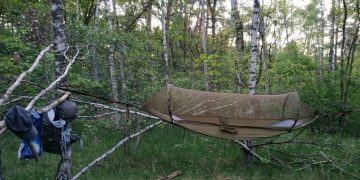
4.2 Shelter Construction and Site Selection
Minimalist survival often requires:
- Improvised shelters using natural materials
- Understanding insulation and heat retention
- Strategic site selection for wind, drainage, and safety
Shelter is a top priority in most survival scenarios.
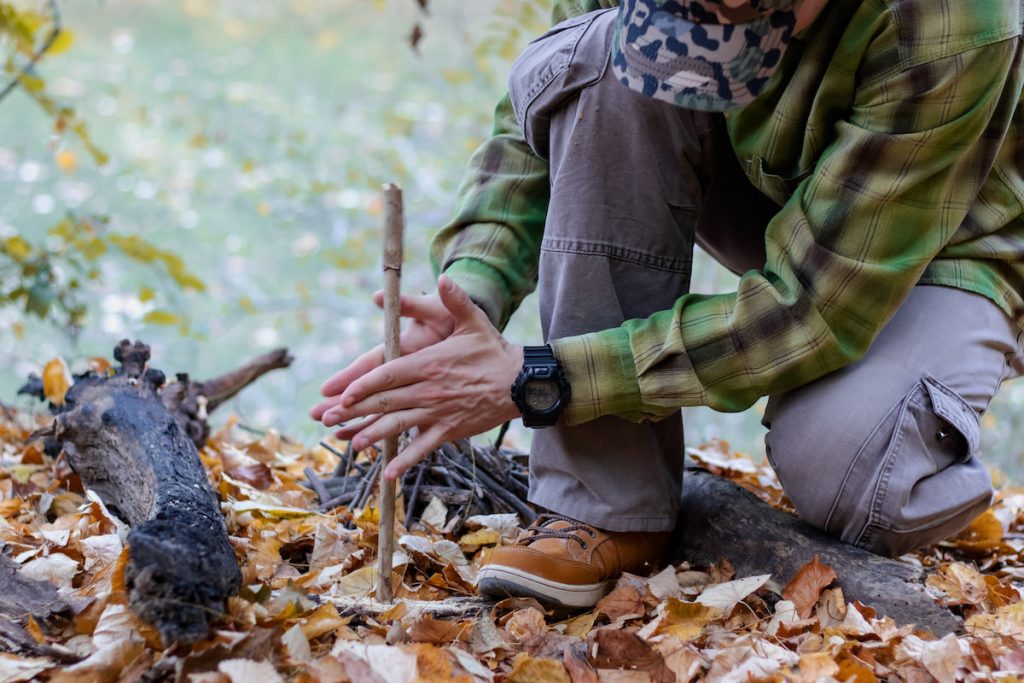
4.3 Firecraft and Heat Management
Fire provides warmth, cooking capability, signaling, and psychological comfort. Skills include:
- Multiple fire-starting methods
- Fuel selection and preparation
- Fire safety and environmental impact awareness
Mastery of firecraft is central to minimalist survival competence.
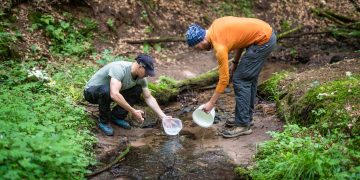
4.4 Water Procurement and Treatment
Water scarcity presents one of the greatest survival threats. Essential competencies include:
- Locating water sources
- Collection methods
- Filtration and purification techniques
- Rationing and hydration management
4.5 Food Acquisition and Energy Management
Minimalist challenges often involve limited caloric intake. Participants must understand:
- Foraging principles and plant identification
- Fishing and trapping basics (where legal)
- Energy conservation strategies
Survival is often more about managing energy expenditure than acquiring food.
5. Equipment Philosophy: Less Gear, More Skill
5.1 The Minimalist Kit Concept
Minimalist adventurers prioritize:
- Multi-purpose tools
- Lightweight materials
- Reliability over convenience
Common items include a knife, fire starter, cordage, minimal shelter material, and navigation tools.
5.2 Risks of Over-Minimalization
While minimalism builds skill, excessive gear reduction can:
- Increase injury risk
- Reduce safety margins
- Limit emergency response options
Responsible minimalism balances challenge with preparedness.
5.3 Technology: Friend or Foe?
Modern solo adventurers debate the role of technology:
- GPS and satellite communicators enhance safety
- Overreliance can erode fundamental skills
Many adopt a hybrid approach—technology as backup, not primary reliance.
6. Risk Management and Ethical Considerations
6.1 Solo Risk Amplification
Being alone magnifies risk. Minor injuries can become life-threatening. Effective risk management includes:
- Conservative decision-making
- Redundant safety strategies
- Clear emergency thresholds
6.2 Environmental Ethics and Leave No Trace
Minimalist survival must align with environmental responsibility:
- Avoiding unnecessary resource depletion
- Respecting wildlife
- Leaving ecosystems undisturbed
Ethical practice preserves wilderness for future adventurers.
6.3 Legal and Cultural Awareness
Survival activities may intersect with:
- Protected land regulations
- Indigenous territories
- Wildlife laws
Professional conduct requires respect for legal and cultural boundaries.
7. Training and Preparation Pathways
7.1 Progressive Skill Development
Responsible practitioners follow a progression:
- Skill acquisition in controlled settings
- Short solo trips with safety nets
- Gradual reduction of gear and support
- Extended minimalist challenges
7.2 Physical Conditioning
Solo minimalist travel demands:
- Cardiovascular endurance
- Functional strength
- Injury prevention strategies
Physical fitness directly enhances safety and confidence.
7.3 Mental Conditioning and Self-Assessment
Self-awareness is critical. Participants must evaluate:
- Stress tolerance
- Decision-making under fatigue
- Emotional response to isolation
Not everyone thrives in prolonged solitude, and that recognition is a form of strength.
8. Social Media, Authenticity, and Misrepresentation
8.1 The Curated Survival Narrative
Online platforms often present:
- Edited highlights
- Downplayed risks
- Unrealistic timelines
This can create false expectations and encourage dangerous imitation.
8.2 Promoting Responsible Representation
Experienced adventurers increasingly advocate for:
- Transparency about preparation
- Honest discussion of mistakes
- Emphasis on training over bravado
Authenticity supports community safety and credibility.
9. The Broader Impact of the Movement
9.1 Reconnecting with Nature
Solo and minimalist experiences foster:
- Environmental appreciation
- Conservation awareness
- Reduced consumer dependence
9.2 Personal Transformation and Identity
Participants often report:
- Increased self-confidence
- Clarified values
- A redefined relationship with comfort and success
9.3 Influence on Outdoor Education and Industry
The trend has reshaped:
- Outdoor training programs
- Gear design toward lighter, simpler tools
- Educational focus on skill literacy
10. Future Directions of Solo and Minimalist Survival
10.1 Integration with Sustainability
Future practices are likely to emphasize:
- Low-impact methods
- Regenerative outdoor ethics
- Traditional ecological knowledge
10.2 Advanced Training and Certification
As popularity grows, structured certification and standardized training may emerge to promote safety and professionalism.
10.3 Technology-Enhanced Safety Without Dependency
Innovations will likely support:
- Emergency response
- Environmental monitoring
- Skill reinforcement
while preserving the core philosophy of self-reliance.
Conclusion
The rise of solo adventure and minimalist survival challenges reflects a profound cultural shift toward simplicity, self-knowledge, and meaningful engagement with the natural world. Far beyond entertainment or spectacle, this movement demands discipline, humility, and respect for both nature and personal limits. When approached responsibly, it offers unparalleled opportunities for growth, resilience, and clarity.
In a world increasingly defined by complexity and abstraction, choosing to walk alone into the wilderness with minimal tools is a powerful act of intention. It reminds us that beneath modern conveniences, human survival still rests on timeless skills, thoughtful preparation, and the courage to face uncertainty—alone, yet deeply connected to the living world around us.