









Introduction
Waterfall cliff jumping is one of the most exhilarating and daring activities in the world of extreme sports. It combines the thrill of free-fall with the beauty of nature’s most powerful formations—waterfalls. For those seeking an adrenaline rush, the idea of leaping from towering cliffs into cascading waterfalls is both terrifying and awe-inspiring. It’s an activity that requires skill, courage, and the understanding of various safety protocols to ensure a successful and safe jump.
This article will delve into the world of waterfall cliff jumping—examining its history, the techniques involved, safety considerations, and the best destinations around the world to experience this thrilling sport. Whether you’re an experienced thrill-seeker or someone considering trying it for the first time, this comprehensive guide will provide valuable insights into the sport of waterfall jumping.
1. The Origins and Evolution of Waterfall Cliff Jumping
While waterfall cliff jumping has only recently gained widespread popularity through social media and extreme sports documentaries, it has been practiced for centuries by indigenous cultures and adventurous spirits. The combination of natural beauty and the rush of free-fall made waterfalls an irresistible spot for jumping long before it became a modern extreme sport.
Cultural Significance
In many cultures, jumping into waterfalls or bodies of water from great heights is not just an activity but a rite of passage or a display of strength and bravery. For instance, in the Philippines, there are many waterfalls where locals perform dives from high cliffs as a tradition. Similarly, in some South American tribes, such as the Yanomami in Brazil, young men would jump from cliffs into rivers as part of their coming-of-age rituals.
These traditions were often tied to myths, religious beliefs, or local folklore, reinforcing the connection between the human body and the forces of nature. As time passed, the practice evolved from a cultural tradition into the more recreational and sport-oriented cliff jumping that we see today.
Modern Rise of Cliff Jumping
Waterfall jumping, in its current form, has become a symbol of adventure and bravery. With the rise of social media and YouTube, extreme sports enthusiasts have been able to share videos of their thrilling jumps, bringing widespread attention to this adrenaline-packed activity. The sport’s growing popularity has also sparked the creation of organized competitions, where athletes test their skills in front of live audiences.
Despite its evolution, the core elements of the sport remain the same: the love of adventure, the thrill of risk, and the desire to experience nature from a completely different perspective.
2. Understanding the Mechanics of a Waterfall Jump
Jumping from a cliff into a waterfall is not simply a matter of leaping into water; it’s a precise skill that requires a deep understanding of several key factors. To ensure a safe and successful jump, one must account for water depth, currents, the height of the waterfall, and other environmental conditions. Understanding these variables is essential for both safety and performance.
Height and Waterfall Dynamics
The height of a waterfall is one of the first factors to consider when planning a jump. A typical waterfall jump can range from 15 feet to over 100 feet in height. The greater the height, the greater the speed upon impact with the water, which can be dangerous if not executed correctly.
The force of the waterfall itself also plays a major role in the dynamics of the jump. Some waterfalls have powerful currents that can easily sweep a jumper off course, while others may have calmer pools at the bottom. Jumpers need to assess the waterfall’s flow and determine whether the water is deep enough to cushion their fall.
Water Depth
The depth of the water beneath the waterfall is perhaps the most critical consideration for safety. Water that is too shallow can result in serious injury, while deep, calm pools provide the best landing spots. Ideally, a safe jump should land in water at least 10-15 feet deep, though this can vary depending on the height of the jump.
Depth is also affected by seasonal changes—during dry seasons, water levels may be lower, which can make a previously safe waterfall jump potentially hazardous. Before attempting any jump, it’s crucial to verify that the water is sufficiently deep for a safe landing.
Impact Speed
The speed at which you hit the water depends on the height of the jump, the gravity of the fall, and the body position during the descent. The faster you fall, the more forceful the impact will be when you hit the water. It’s essential to have proper technique to minimize the shock upon impact. Jumping with your feet first and keeping your body straight can help reduce the chances of injury.
Jumping from heights greater than 50 feet requires more skill and precision. In fact, professional cliff divers and waterfall jumpers often compare their techniques to those of high-diving athletes in order to manage the high-speed impact.
Water Current and Hidden Hazards
One of the most dangerous aspects of waterfall cliff jumping is the unpredictable nature of the water below. Strong currents can carry jumpers away from the landing area or into dangerous rocks or underwater obstacles. In some cases, waterfalls conceal rocks just beneath the surface or have whirlpools that could trap a swimmer.
Many experienced waterfall jumpers will scout the location beforehand, making sure to check for hidden rocks or other potential hazards in the water. Having a guide or local knowledge is also extremely beneficial when planning a jump, especially in unfamiliar areas.
3. Safety Considerations for Waterfall Cliff Jumping
Waterfall jumping, like any extreme sport, carries inherent risks. However, by understanding the risks and taking the necessary precautions, the activity can be performed safely and with minimal danger. Below are some key safety measures to keep in mind:
1. Proper Training and Experience
While the concept of waterfall jumping may seem straightforward, the sport requires significant experience and training. Novices should never attempt a jump from a high waterfall without proper instruction from an experienced jumper. It’s advisable to start with smaller jumps and progressively work your way up as your skills and confidence improve.
Many extreme sports academies and instructors offer specialized courses in cliff diving and waterfall jumping. These courses teach jumpers how to assess water conditions, improve body positioning, and execute proper techniques to minimize risk.
2. Equipment and Gear
In waterfall cliff jumping, the primary gear you’ll need includes proper footwear, a helmet, and a life jacket.
- Footwear: Sturdy, slip-resistant shoes are important for climbing up and down the rocks near the waterfall, which can often be slippery.
- Helmet: While the risk of head injury is relatively low if you enter the water feet first, wearing a helmet can provide additional safety, particularly in waterfalls where the water is rough or where you may hit submerged rocks.
- Life Jacket: For beginners or in particularly hazardous conditions, wearing a life jacket is crucial for buoyancy after the jump, especially in turbulent waters or strong currents.
3. Timing the Jump
Timing is everything in waterfall jumping. Wait for the perfect moment when the water beneath the waterfall is calm and clear of obstacles. Jumping during the wrong time, such as when the water is at its most turbulent, increases the risk of injury or being swept downstream.
Additionally, jumpers should avoid jumping into the waterfall if the weather has recently been rainy, as the water levels may be higher and the current stronger than usual.
4. Jumping Technique
A key factor in reducing injury is the technique used when performing the jump. The ideal technique for waterfall cliff jumping is similar to that used in high diving or cliff diving:
- Feet First: Jumping feet first minimizes the impact on the body, especially when falling from greater heights.
- Straight Body Position: Keep your body straight and vertical to reduce drag and ensure that you enter the water cleanly.
- Controlled Descent: Avoid flailing your arms or legs. A controlled, streamlined descent will reduce the risk of injury on entry and ensure a smoother, more efficient dive.
4. Popular Destinations for Waterfall Cliff Jumping
While waterfall cliff jumping can be done in many parts of the world, some locations are particularly renowned for their breathtaking scenery and ideal jumping conditions. Here are some of the top destinations for waterfall jumping:
1. Kuang Si Falls, Laos
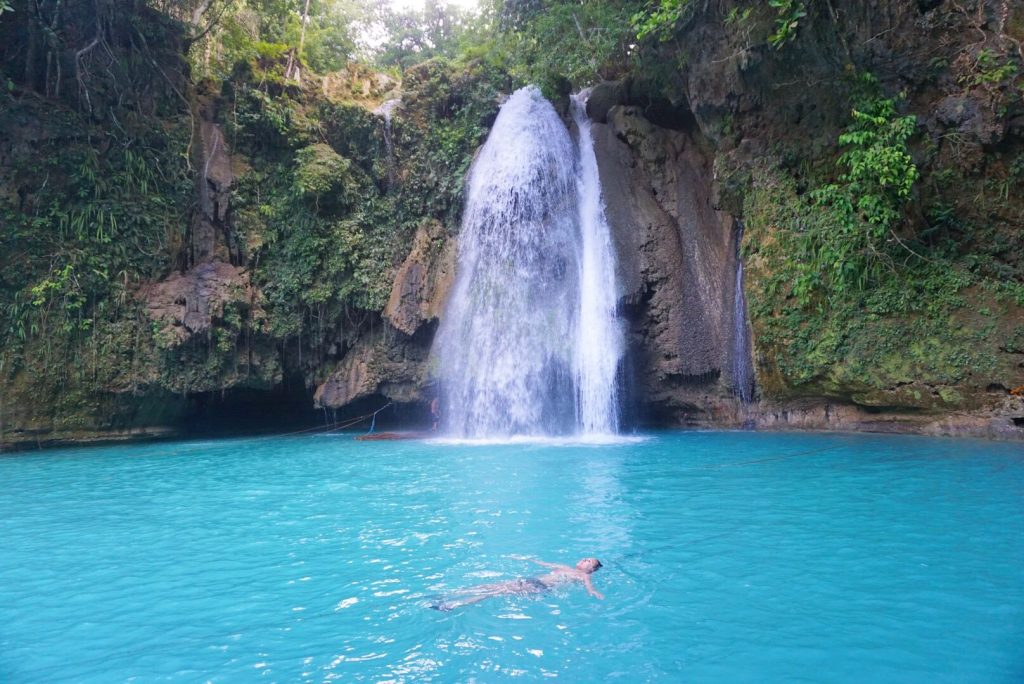
Kuang Si Falls, located near Luang Prabang, Laos, is one of the most famous waterfall jumping spots in Southeast Asia. With its stunning turquoise pools and tiered waterfalls, it provides a beautiful and relatively safe environment for jumpers. The height of the waterfalls ranges from 15 to 40 feet, and the waters are typically deep enough for a safe landing.
2. Victoria Falls, Zambia/Zimbabwe
Victoria Falls is one of the most iconic and majestic waterfalls in the world, and while the falls themselves are not suitable for jumping, nearby spots like Devil’s Pool offer an adrenaline-pumping experience. Devil’s Pool is a natural pool formed at the edge of the falls, where visitors can take a plunge right to the very edge of the waterfall. The view from Devil’s Pool, with the mighty Victoria Falls in the background, is an experience of a lifetime.
3. The Philippines: Pagsanjan Falls and Cambugahay Falls
The Philippines is home to a number of beautiful waterfalls that attract adventurers from all over the world. Pagsanjan Falls and Cambugahay Falls in particular are known for their jumping opportunities. Both locations offer jumps from various heights, and the surrounding landscapes make for an incredibly scenic and thrilling experience.
4. The United States: Havasu Falls, Arizona
Havasu Falls, located in the Grand Canyon of Arizona, is a favorite among waterfall jumpers. The falls have several accessible jumping spots with different height levels, ranging from 20 feet to over 100 feet. The clear blue waters of Havasu Creek make it a perfect place for both jumping and swimming. However, the location is remote, requiring a multi-day hike, so preparation is key.
Conclusion
Waterfall cliff jumping is an extreme sport that offers a unique and exhilarating way to connect with nature. Whether you are an experienced jumper or a first-timer, understanding the fundamentals of the sport, including the necessary safety precautions and techniques, is essential for a successful and safe experience. By embracing the adventure, thrill, and awe-inspiring beauty of waterfalls, cliff jumpers around the world have made it one of the most exciting and visually stunning sports today.