






Introduction
In a world dominated by speed—whether it’s in our work, personal lives, or the way we travel—there’s a growing movement that seeks to slow things down. Slow travel, as the name suggests, encourages travelers to take their time, immerse themselves in the local culture, and embrace a more sustainable and enriching way of exploring new destinations. This approach contrasts sharply with the fast-paced, bucket-list style of travel that prioritizes ticking off as many destinations as possible in the shortest amount of time.
Slow travel isn’t just a method of getting from one place to another; it’s a philosophy, a mindset, and an approach that emphasizes quality over quantity. By focusing on connection, sustainability, and personal enrichment, slow travel allows you to experience a destination on a deeper level, with fewer crowds and more meaningful interactions.
This article explores the essence of slow travel, its benefits, and practical tips for embracing this mindful approach to exploring the world. Whether you’re a seasoned traveler or a novice, adopting the principles of slow travel can transform your journey and offer a more fulfilling and rewarding experience.
1. What is Slow Travel?
At its core, slow travel is about taking the time to appreciate the places, people, and cultures you encounter during your travels. It’s about moving at a pace that allows you to truly absorb your surroundings, rather than rushing through them. Slow travelers often focus on one destination or a small region, spending time getting to know the area intimately, rather than hopping between multiple cities or countries in a short period of time.
Unlike traditional forms of travel, which may involve tight schedules and packed itineraries, slow travel allows for flexibility. It encourages you to embrace spontaneity, explore off-the-beaten-path destinations, and prioritize experiences over sightseeing.
Slow travel is also deeply connected to the principles of sustainable tourism. By choosing to travel more slowly, you can reduce your carbon footprint, support local communities, and avoid contributing to the over-tourism that has become a growing issue in many popular destinations.
2. The Benefits of Slow Travel
While slow travel may seem like a departure from the fast-paced vacations many are accustomed to, it offers numerous advantages for both the traveler and the places they visit. Below are some of the key benefits of slow travel:
A Deeper Connection to Place
One of the most significant benefits of slow travel is the opportunity to connect deeply with the places you visit. By spending more time in a location, you can explore beyond the typical tourist attractions. You may stumble upon local gems—hidden cafes, artisan markets, quiet parks, or scenic vistas—that you might otherwise miss while rushing through a checklist of “must-see” sites.
When you travel slowly, you’re more likely to interact with locals, develop friendships, and understand their culture on a personal level. Whether you’re learning a few words of the local language, participating in a traditional cooking class, or simply chatting with shopkeepers, these interactions create lasting memories and provide a more authentic view of the destination.
Stress Reduction and Mindfulness
In a world that constantly demands our attention, slow travel offers a welcome break. By choosing to travel at a slower pace, you’re giving yourself permission to relax, recharge, and be present in the moment. You’re not racing against time to catch a train, make a flight, or check off a list of attractions. Instead, you can engage with your environment, listen to the sounds of the street, savor a meal without hurrying, and truly enjoy the simple pleasures of being in a new place.
This slower, more mindful approach to travel can help reduce the stress that often accompanies fast-paced trips. It allows you to travel with a sense of calm and presence, promoting mental well-being and a deeper sense of enjoyment.
Environmental and Ethical Considerations
Slow travel is inherently more sustainable. By staying in one location for a longer period, you reduce the number of flights or long-haul journeys, thereby lowering your carbon footprint. Additionally, slow travelers often prioritize eco-friendly accommodations, public transportation, and locally sourced food, all of which contribute to the sustainability of their trip.
Another ethical advantage of slow travel is that it encourages you to support small, locally-owned businesses rather than large multinational chains. Whether it’s staying at a family-run guesthouse, dining at a local restaurant, or shopping for handmade goods, slow travel supports the local economy and ensures that your presence benefits the community rather than exploiting it.
Personal Enrichment and Growth
Slow travel encourages self-reflection, personal growth, and learning. It’s not about fitting as many activities into your day as possible, but rather about allowing yourself to fully experience each moment. This shift in focus enables you to approach travel as a journey of discovery—of both the world around you and yourself.
When you slow down, you have the time and space to learn new skills, whether it’s mastering a new recipe, picking up a new language, or becoming proficient in a traditional craft. Moreover, slow travel allows you to step outside of your comfort zone and embrace new experiences with an open mind.
3. How to Embrace Slow Travel
Now that we’ve covered the key benefits of slow travel, let’s dive into how you can incorporate this approach into your own journeys. Whether you’re traveling solo, with a partner, or as part of a small group, there are several strategies you can use to embrace slow travel.
1. Choose a Single Destination
Rather than trying to see as much as possible, choose a single destination or a small region to explore in depth. Instead of hopping between multiple cities or countries, spend a week or more in one location. This allows you to dive deeper into the local culture and explore lesser-known sites.
For example, if you’re visiting Italy, instead of spending just a couple of days in Rome, Florence, and Venice, you might choose to stay in one city for an extended period. Spend your time walking through neighborhoods, engaging with locals, and exploring side streets that aren’t overrun with tourists.
2. Travel by Train, Bus, or Bicycle
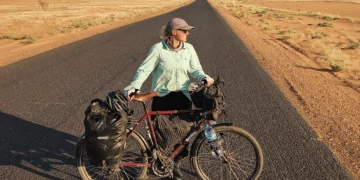
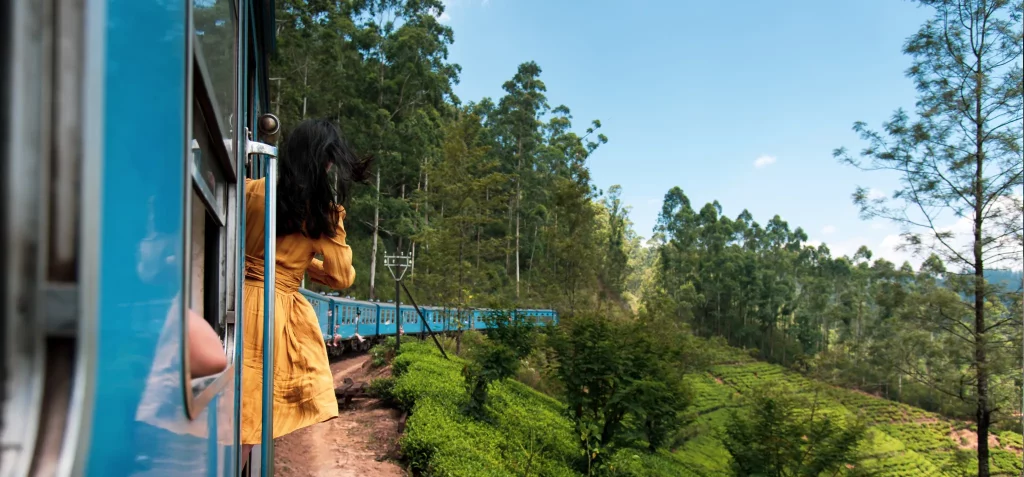
Opting for slower modes of transportation is one of the key elements of slow travel. Instead of flying, consider taking the train, bus, or even cycling between destinations. This gives you a chance to see the landscape in a more intimate way, observe local life, and reflect on your journey.
Train travel, in particular, offers the opportunity to relax and enjoy the scenery, while buses or bicycles allow you to travel at a leisurely pace, stopping along the way to explore hidden gems. Additionally, trains and buses have a much smaller environmental impact compared to flying.
3. Stay Longer in One Place
Rather than spending just a few days in each location, commit to longer stays. Try to stay at least a week in a city, village, or rural area. This gives you the chance to explore the region thoroughly, form connections with local people, and engage with your surroundings in a way that is simply not possible on a quick trip.
During your stay, you can indulge in day trips, hikes, or other activities that are less rushed. You’ll have the time to reflect on your experiences and allow yourself to fully absorb the place and its culture.
4. Embrace Local Experiences
Engage with the local culture and traditions in ways that might be overlooked by typical tourists. Participate in cultural events, take cooking or craft classes, visit local markets, and attend community festivals. These experiences give you a richer understanding of the destination and its people.
By supporting local artisans, food producers, and guides, you’re also contributing to the preservation of these traditions. Slow travel gives you a sense of pride in learning about a place and its heritage while ensuring that these cultural practices are sustained for future generations.
5. Limit Technology and Stay Present
One of the hallmarks of slow travel is being present in the moment. This is increasingly difficult in our technology-driven world, but making an effort to disconnect can significantly enhance your experience. Consider limiting screen time, checking emails less frequently, and putting away your phone to fully engage with your surroundings.
Taking a break from technology allows you to reconnect with nature, enjoy the simple joys of traveling, and embrace the moment without distractions.
6. Travel During Off-Peak Times
To truly embrace the slow travel ethos, consider traveling during the off-season or shoulder season. Popular tourist destinations are often overcrowded during peak travel times, which can detract from your experience and harm the environment. Traveling during quieter months allows you to avoid crowds, enjoy better weather, and often find better rates on accommodations and transportation.
4. Challenges of Slow Travel and How to Overcome Them
While slow travel offers numerous benefits, it’s not without its challenges. Here are a few common obstacles you may encounter, along with strategies to overcome them.
Time Constraints
For many, time is one of the biggest barriers to slow travel. Extended vacations may not be possible due to work or family commitments. However, there are ways to integrate slow travel into your life, even with limited time:
- Weekend Getaways: If a long trip isn’t feasible, consider taking weekend trips to nearby destinations. Choose one location and spend the weekend immersing yourself in the culture, rather than trying to see multiple places in a short time.
- Longer Vacations: If you have the luxury of more extended time off, plan your trip well in advance. Look for opportunities to take sabbaticals, extended holidays, or use vacation days strategically to incorporate longer stays.
Cost Considerations
Slow travel often requires a more extended stay, which can sometimes lead to higher costs. However, there are ways to mitigate this:
- Budget Accommodation: Look for affordable lodging options such as hostels, guesthouses, homestays, or even house-sitting opportunities.
- Cook Your Own Meals: Instead of eating out at restaurants for every meal, take advantage of local markets and cook your own food. This not only saves money but also gives you the chance to experience local ingredients and cuisine more intimately.
Isolation
Solo travelers may experience loneliness during extended trips. To combat this:
- Engage with Locals: Make an effort to strike up conversations with locals, whether in a café, on a hiking trail, or at a market.
- Join Group Activities: Participate in local tours or group activities to meet like-minded people and share experiences.
Conclusion
Slow travel is not merely a trend, but a shift in how we approach exploration. It allows us to rediscover the beauty of travel—by immersing ourselves in local cultures, embracing sustainability, and savoring the small moments that make a journey truly memorable. Although it may not fit the typical mold of fast-paced tourism, slow travel offers a richer, more rewarding experience that connects you deeply with the places you visit.
By embracing the philosophy of slow travel, you’re choosing to move at your own pace, to travel with intention, and to create experiences that go beyond the superficial. Whether it’s your next vacation or a long-term journey, slow travel invites you to step away from the fast lane and explore the world at a pace that’s both meaningful and sustainable.