









In recent years, the allure of extreme challenges in the world’s most inhospitable and majestic environments has captivated adventurers, athletes, and thrill-seekers. Among the most popular and dangerous of these challenges are glacier expeditions and high-altitude mountaineering. These activities combine both physical endurance and mental fortitude, pushing participants to their limits as they conquer some of the most remote, icy, and high-altitude terrain on the planet. With the increasing appeal of such challenges, the global trend of extreme outdoor adventures has gained considerable momentum.
This article explores the rise in popularity of glacier and high-altitude challenges, delving into the science behind these pursuits, the risks and rewards, the necessary preparations, and the environmental considerations involved. By examining both the physical and psychological demands of these extreme environments, we will gain a deeper understanding of why so many adventurers are drawn to conquer nature’s most difficult terrains.
1. Introduction: The Call of Extreme Environments
Throughout history, humans have been drawn to some of the most extreme environments on Earth. The polar regions, high mountains, and remote glaciers have long captured the human imagination. From early explorers to modern-day adventurers, these locations represent the final frontiers of exploration, where survival and success depend on human ingenuity, strength, and endurance.
Today, the fascination with glaciers and high-altitude environments has only grown stronger. Whether it’s summiting the towering peaks of the Himalayas or trekking across the ice fields of Greenland, people are increasingly seeking to push their boundaries in these extreme terrains. With the rapid growth of extreme sports and adventure tourism, both glaciers and high-altitude mountaineering have gained significant popularity. But why has this trend surged, and what are the factors contributing to it?
2. The Appeal of Glacier Expeditions and High-Altitude Challenges
There are many reasons why individuals are drawn to glacier trekking and high-altitude mountaineering. These challenges offer not only a test of physical strength but also an opportunity for personal growth, self-discovery, and a deeper connection to nature.
2.1 The Physical and Mental Challenge
One of the most significant factors that make glacier and high-altitude challenges appealing is the sheer difficulty involved. The body is pushed to its limits in these extreme environments.
- Oxygen Deprivation: As altitude increases, the amount of oxygen available decreases, making breathing more difficult. Mountaineers often experience altitude sickness, a condition that can cause dizziness, nausea, and headaches, and in extreme cases, even death. Reaching high altitudes requires intense physical conditioning and acclimatization to avoid life-threatening conditions such as pulmonary edema or cerebral edema.
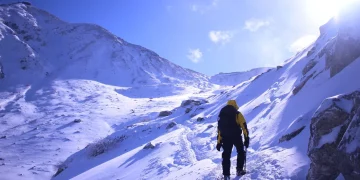
- Cold and Harsh Conditions: On glaciers, temperatures can drop to dangerous levels. Exposure to hypothermia is a constant risk, and the unpredictable nature of glacial crevasses and avalanches further increases the stakes. Adventurers must possess strong survival instincts to navigate these treacherous environments.
- Mental Fortitude: The extreme nature of glacier and high-altitude environments tests not only the body but also the mind. Climbers must develop the psychological resilience to push through exhaustion, fear, and uncertainty. This mental toughness is often one of the biggest draws for adventurers seeking to challenge themselves.
2.2 The Spectacle of Natural Beauty
Beyond the challenge, the unique beauty of glaciers and high-altitude environments is a significant draw. Glaciers, with their vast icy fields, towering ice cliffs, and ethereal blue ice formations, offer a type of scenery that cannot be found elsewhere. The stunning vistas from the top of high-altitude peaks—whether it’s the vast expanse of the Himalayas, the Andes, or the Alps—are unparalleled. For many, the combination of physical challenge and natural beauty is an irresistible lure.
- Glacial Landscapes: Many glaciers are located in remote and pristine areas of the world, far from human development. The silence and tranquility that accompany these locations provide a sense of isolation and awe, which attracts those looking for both adventure and spiritual rejuvenation.
- Climbing Iconic Peaks: Conquering famous peaks like Mount Everest, Kilimanjaro, Denali, or Aconcagua offers the ultimate sense of accomplishment. For mountaineers, summiting these peaks represents the pinnacle of human achievement, where only the most skilled and prepared climbers can succeed.
3. The Science of High-Altitude and Glacial Environments
Understanding the conditions that make these environments so challenging is key to appreciating the scale of the physical and mental demands involved in these extreme challenges. Both glaciers and high-altitude regions feature unique geological, environmental, and atmospheric conditions that create the risks and rewards adventurers face.
3.1 High-Altitude Environments
The defining characteristic of high-altitude environments is the reduction in atmospheric pressure as elevation increases. For every 1,000 feet gained in altitude, the air pressure decreases by approximately 1 inch of mercury. This means that oxygen levels decrease significantly at higher altitudes, creating conditions in which human bodies must work harder to extract the necessary oxygen from the air.
- Oxygen Deprivation: Above 8,000 meters (26,247 feet)—a height known as the “death zone”—there is not enough oxygen in the air to sustain human life for extended periods. Climbers must carry supplemental oxygen to survive and perform at this altitude.
- Low Temperatures: High-altitude regions are also marked by extremely cold temperatures, which can drop dramatically as altitude increases. In the Himalayas and the Andes, temperatures can fall well below freezing, creating a need for specialized clothing and gear designed to withstand the cold.
3.2 Glacier Environments
Glaciers are massive, slow-moving bodies of ice formed from the accumulation and compression of snow over centuries. The harsh conditions of glaciers make them particularly challenging to navigate.
- Crevasses and Icefalls: One of the most dangerous features of glaciers is the presence of crevasses—deep cracks in the ice that can be hidden by thin layers of snow. Falling into a crevasse is a significant risk, and climbers must take special care when navigating glacier fields.
- Avalanches: Due to the instability of snow and ice in steep areas, avalanches are a constant danger. These sudden, fast-moving walls of snow and debris can bury climbers and hikers in seconds. Understanding snow conditions, avalanche risks, and proper safety techniques is vital for survival.
- Glacial Meltwater: As glaciers melt, they produce fast-moving streams of meltwater, which can be perilous to cross. The water is often very cold and has strong currents, making it treacherous for hikers to navigate.
4. Popular High-Altitude and Glacier Challenges Around the World
The appeal of high-altitude and glacier challenges has sparked an increase in adventure tourism. As more people seek to experience these extreme environments, several destinations have become famous for offering the opportunity to conquer challenging peaks and glaciers.
4.1 Mount Everest (Nepal/China)
Mount Everest, the tallest peak on Earth, stands at 8,848.86 meters (29,031.7 feet). Climbing it is one of the most prestigious and dangerous challenges in the world. While the summit of Everest has become more accessible due to advancements in gear, technology, and support infrastructure, it remains a formidable challenge. Climbers face the dangers of altitude sickness, harsh weather, and the need for precise timing and planning.
4.2 Kilimanjaro (Tanzania)
Mount Kilimanjaro, at 5,895 meters (19,341 feet), is one of the most popular high-altitude treks in the world. Though it is not as technical as Everest, Kilimanjaro’s ascent still requires preparation and can present challenges due to its high altitude and rapidly changing weather. The trek through various ecosystems—from lush rainforests to alpine deserts—offers a unique and accessible high-altitude challenge for novice climbers.
4.3 Perito Moreno Glacier (Argentina)
Located in the Patagonia region of Argentina, the Perito Moreno Glacier is one of the few advancing glaciers in the world. Tourists can engage in glacier trekking, ice climbing, and boat tours, offering a chance to explore one of the most iconic glaciers on Earth. The vast, craggy ice formations and ice-blue colors make it a top destination for those seeking an exhilarating glacier adventure.
4.4 Denali (United States)
Standing at 6,190 meters (20,310 feet), Denali is North America’s highest peak and offers one of the most challenging mountaineering expeditions. Climbers face extreme cold, fierce winds, and high-altitude challenges, making Denali one of the ultimate tests for mountaineers. The mountain’s remote location and harsh conditions ensure that only the most prepared and experienced climbers attempt to reach its summit.
5. The Risks Involved: Safety, Environment, and Ethical Considerations
While the allure of high-altitude and glacier challenges is undeniable, they come with significant risks. Climbers and trekkers must be prepared to face life-threatening dangers, both environmental and physical.
5.1 Environmental Impact
As more people visit high-altitude areas and glaciers, the environmental impact increases. The increase in mountaineering and trekking tourism has led to concerns about pollution, waste, and the destruction of fragile ecosystems. Climbers must take measures to minimize their environmental footprint, from packing out waste to avoiding disruptive activities near fragile ecosystems.
5.2 Safety and Ethical Issues
In addition to the natural risks of high-altitude and glacier environments, ethical issues surrounding adventure tourism are also becoming more prominent. Many adventurers hire guides or participate in commercial expeditions, but the question of whether it is ethical to climb certain peaks—such as Everest, where over-tourism has caused overcrowding and fatalities—is an ongoing debate in the mountaineering community. Additionally, ethical considerations regarding the treatment of local guides, porters, and the commercialization of indigenous lands have spurred calls for more responsible and sustainable adventure tourism.
6. Conclusion: The Ever-Expanding Frontier
The growing popularity of glacier expeditions and high-altitude challenges speaks to humanity’s enduring fascination with extreme environments. These pursuits offer a unique opportunity to test one’s physical and mental limits, all while engaging with some of the most awe-inspiring landscapes on Earth.
As technology and access to extreme regions continue to improve, the number of people seeking to conquer these natural wonders is only likely to grow. However, it remains crucial that adventurers approach these challenges with respect, preparation, and awareness of both the environmental impact and the inherent risks involved. The future of high-altitude and glacier expeditions lies in responsible exploration, where adventure and preservation go hand in hand, ensuring these magnificent landscapes remain accessible for generations to come.