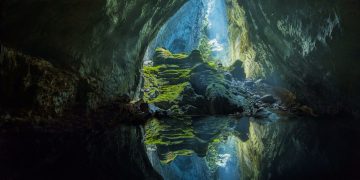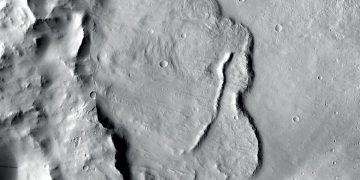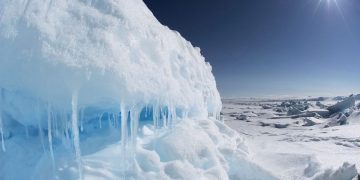










Earth, a planet teeming with life in nearly every conceivable environment, also harbors some of the most extreme, inhospitable habitats known to science. From the frozen poles to boiling volcanic vents, and from the deepest ocean trenches to the driest deserts, life has not only managed to survive but thrive in these extreme conditions. The study of life in these harsh environments provides invaluable insights into the adaptability of organisms and opens possibilities for understanding life beyond Earth, in the search for extraterrestrial life.
This article explores the various extreme environments on Earth, the forms of life that inhabit them, and the remarkable adaptations that enable survival. We’ll examine some of the most extreme environments, such as the Arctic, deep ocean vents, and hyper-arid deserts, to understand how life persists in such hostile conditions. Through these investigations, we will gain a deeper understanding of the resilience and versatility of life forms and the potential for future discoveries in our search for life in the universe.
1. Introduction: Defining Earth’s Extreme Environments
Extreme environments are those that push the limits of life as we know it. These areas are characterized by conditions that challenge the survival of organisms, including extreme temperatures, high radiation, high salinity, or low oxygen levels. Earth’s diversity in extreme environments—whether in the form of extreme heat, cold, pressure, or dryness—provides a platform for studying the versatility of life.
Examples of Earth’s extreme environments include:
- Polar Regions: Frigid and hostile, with temperatures dropping well below freezing for most of the year.
- Deep Ocean Trenches: Dark and under immense pressure, with temperatures near freezing and little access to sunlight.
- Volcanic Vents: Boiling hot water and acidic conditions that would be lethal to most life forms.
- Arid Deserts: Hyper-arid conditions with little water and high temperatures that fluctuate dramatically between day and night.
Despite these hostile conditions, life has not only survived but often flourished. The organisms in these environments have evolved unique survival strategies that allow them to endure extreme stresses, providing a glimpse into how life might adapt on other planets with similar conditions.
2. Life in the Frozen World: The Polar Regions
The polar regions, encompassing both the Arctic and Antarctic, are among the most extreme environments on Earth. Temperatures in the Arctic can plummet to -50°C (-58°F), and the Antarctic is even colder, with the coldest temperatures recorded at nearly -89°C (-128°F). Despite these extremes, life has evolved to survive in these frozen worlds.
2.1 Adaptations of Polar Life
- Cold-Tolerant Microorganisms: Known as psychrophiles, these microorganisms have adapted to life at freezing temperatures by producing enzymes that function optimally at low temperatures. Some bacteria and fungi can metabolize nutrients in subzero environments, and they often produce antifreeze proteins that prevent ice crystals from forming inside their cells.
- Arctic and Antarctic Wildlife: Organisms in the polar regions have developed thick layers of fat or fur to insulate against the cold. Penguins, for example, have dense feathers and a thick layer of blubber to keep warm in the icy waters of Antarctica. Polar bears have a thick undercoat and a layer of fat to insulate their bodies from the freezing temperatures.
- Adaptation to Low Light: Polar regions experience long periods of darkness during the winter months. Some species of Arctic fish have adapted to this lack of light by developing enhanced sensory systems that detect vibrations or changes in water currents. For example, icefish in the Antarctic have specialized proteins that allow them to continue metabolizing even in the extreme cold.
- Tundra and Ice-Adapted Plants: In the Arctic, plants have adapted to short growing seasons and extreme cold by developing small, low-lying structures that conserve heat. Mosses and lichens are particularly common in these regions, as they are able to survive in harsh conditions by growing slowly and conserving energy.
3. Life Under High Pressure: The Deep Ocean
The deep ocean is one of the most extreme environments on Earth, where pressures can exceed 1000 times that at sea level, and temperatures hover just above freezing. Despite the lack of sunlight and the crushing pressure, life flourishes in the deepest parts of the ocean. These regions are home to some of the most unique and mysterious organisms known to science.
3.1 Adaptations of Deep Ocean Creatures
- Pressure-Tolerant Organisms: Organisms that live at great depths have evolved to withstand immense pressure. The Giant Squid, for example, has evolved a soft body and specialized tissues that can withstand pressures that would crush other animals. Deep-sea fish often have flexible, gelatinous bodies and lack swim bladders, which would otherwise collapse under extreme pressure.
- Bioluminescence: In the complete darkness of the deep ocean, many organisms use bioluminescence to attract mates, lure prey, or deter predators. For example, anglerfish have evolved a bioluminescent lure that hangs from their heads, attracting prey to their jaws.
- Thermophiles in Hydrothermal Vents: In the absence of sunlight, some microorganisms, known as extremophiles, rely on chemosynthesis rather than photosynthesis to create energy. These microbes convert sulfur compounds and methane from the ocean floor into food, forming the basis of the entire ecosystem around hydrothermal vents. The tube worm (Riftia pachyptila), for example, depends on symbiotic bacteria that live inside its tissues and provide it with energy produced through chemosynthesis.

4. Life in the Heat: Volcanic Vents and Hot Springs
Volcanic activity on Earth has created some of the most extreme and inhospitable environments, with temperatures reaching up to 100°C (212°F) or higher. Hot springs, boiling mud pools, and hydrothermal vents are found in areas of volcanic activity, providing a habitat for a variety of hardy organisms known as thermophiles.
4.1 Thermophiles and Hyperthermophiles
- Heat-Tolerant Microorganisms: Thermophiles, microorganisms that thrive in high temperatures, have evolved enzymes that remain stable at high temperatures, enabling them to metabolize food and reproduce under extreme heat. Thermophilic bacteria can be found in hot springs and underwater volcanic vents, where temperatures exceed boiling point. These bacteria play a key role in ecosystems where sunlight is absent, using chemicals to produce food.
- Acid-Tolerant Organisms: Many volcanic vents are not just hot but also acidic, with pH levels that would be inhospitable to most organisms. However, some species, such as the acidophilic bacteria found in the Yellowstone hot springs, have adapted to live in acidic conditions, utilizing sulfur and other minerals for energy.
5. Life in the Driest Places: Deserts and Salt Flats
Deserts are defined by their lack of water, extreme temperatures, and limited vegetation. With some regions receiving less than 25 mm (1 inch) of rain per year, life in the desert must be highly adapted to survive in this arid environment.
5.1 Desert Adaptations
- Water Conservation: Organisms in the desert have evolved remarkable mechanisms to conserve water. Cacti, for example, store water in their stems and have a thick waxy cuticle to prevent evaporation. Desert animals, such as the fennec fox, have large ears to radiate excess heat and are nocturnal to avoid the searing daytime temperatures.
- Desert Microbes: Microorganisms such as halophiles (salt-loving bacteria) and xerophiles (drought-resistant microbes) survive in desert soil, with some able to remain dormant for years, waiting for rain to activate their metabolic processes. These microbes can go into a dormant state called cryptobiosis, where they lose almost all their water content but can rehydrate and resume activity when conditions improve.
- Salt Flats: Life in salt flats is similarly adapted to withstand desiccation and salinity. Some bacteria and algae have developed specialized mechanisms to maintain internal osmotic balance and prevent dehydration in extremely salty environments.
6. Extremophiles and the Search for Extraterrestrial Life
The study of extremophiles—organisms that thrive in the most hostile environments on Earth—has provided crucial insights into the potential for life on other planets. By understanding how life can exist in extreme conditions here on Earth, scientists have expanded the criteria for what makes a planet or moon habitable. For example, moons like Europa (Jupiter’s moon) and Enceladus (Saturn’s moon) are thought to harbor subsurface oceans beneath their icy crusts, where life could potentially thrive under conditions similar to Earth’s deep-sea hydrothermal vents.
7. Conclusion: Life’s Resilience in Earth’s Extremes
Life on Earth has demonstrated an astonishing ability to survive and thrive in the harshest of environments. From the frozen expanses of the Arctic to the searing heat of volcanic vents, life’s resilience showcases its ability to adapt to the most extreme conditions. These organisms—extremophiles—serve not only as a testament to the incredible versatility of life but also as key models in the search for life beyond our planet. Understanding how these organisms have evolved to cope with extreme temperatures, pressures, salinity, and lack of oxygen can help scientists prepare for the possibility of discovering alien life in similarly extreme environments.