









High-altitude mountain biking represents one of the most demanding and exhilarating forms of cycling. Combining extreme terrain, variable weather, and physiological challenges posed by elevation, this discipline pushes riders to the limits of physical endurance, technical skill, and mental resilience. Unlike standard road or trail cycling, high-altitude mountain biking requires careful preparation, specialized equipment, and an understanding of both natural landscapes and personal limits.
This comprehensive article explores the intricacies of high-altitude mountain biking, including trail types, physiological effects, equipment selection, safety strategies, training regimens, environmental considerations, and case studies of iconic mountain biking regions. It is designed to provide a professional-level guide for both aspiring and experienced riders seeking to navigate rugged mountain terrains.
1. Introduction: The Allure and Challenges of High-Altitude Cycling
Mountain biking in high-altitude environments presents a unique combination of adventure and risk. The appeal lies in the opportunity to explore remote landscapes, experience unparalleled views, and test one’s limits. However, these environments also introduce challenges that distinguish them from lower-altitude or urban cycling:
- Reduced oxygen availability leading to hypoxia.
- Increased physical strain due to steep inclines and rough terrain.
- Rapid weather changes, including storms, temperature drops, and snow.
- Technical obstacles such as rocky trails, loose scree, and alpine vegetation.
Understanding these factors is critical for safety, performance, and enjoyment.
2. Physiological Impacts of High-Altitude Cycling
Riding at high altitude significantly affects human physiology:
2.1 Reduced Oxygen Levels
As elevation increases, atmospheric pressure decreases, reducing the partial pressure of oxygen. This results in hypoxia, causing fatigue, dizziness, shortness of breath, and decreased aerobic capacity. Riders must acclimatize gradually to avoid altitude sickness.
2.2 Cardiovascular Adaptation
The body responds to lower oxygen levels by increasing heart rate and respiratory rate. Hematocrit levels may rise over time, improving oxygen transport, but initial rides can feel physically overwhelming.
2.3 Muscle and Metabolic Considerations
High-altitude conditions can accelerate glycogen depletion and muscle fatigue. Riders must adjust nutrition and hydration strategies to sustain energy levels, emphasizing complex carbohydrates, electrolytes, and proteins.
2.4 Acclimatization Strategies
- Ascend gradually, limiting daily elevation gain.
- Include rest days for physiological adaptation.
- Monitor for early symptoms of altitude sickness (headache, nausea, fatigue).
3. Terrain Types and Trail Classification
High-altitude mountain biking encompasses diverse terrain types:
3.1 Alpine Trails
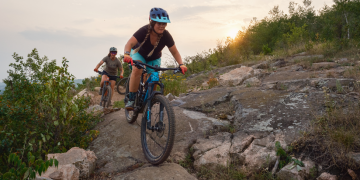
Characterized by rocky surfaces, sparse vegetation, and exposure to wind and sun. Riders must navigate loose rocks, narrow paths, and steep ascents.
3.2 Forested Mountain Trails
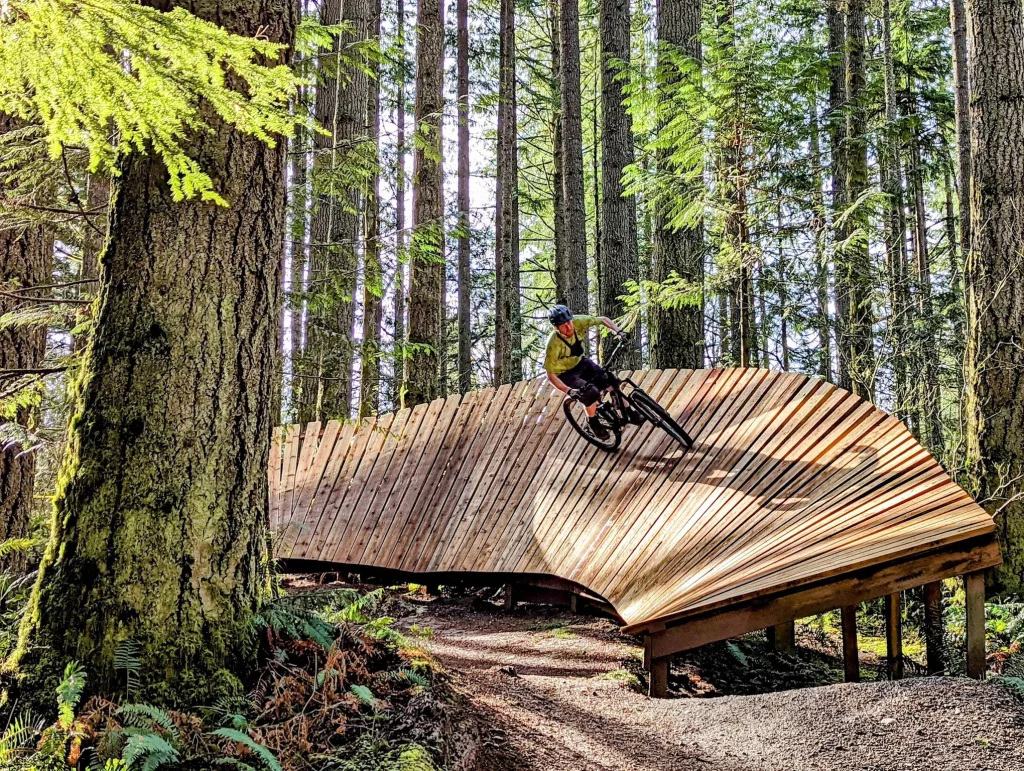
These trails feature dense vegetation, roots, mud, and water crossings. Technical skills in balance, braking, and cornering are critical.
3.3 Glacial and Snow-Covered Trails
Snow and ice present unique challenges, requiring specialized tires and advanced handling techniques. Sudden weather changes can transform stable trails into hazardous routes.
3.4 Mixed-Use Adventure Routes
Some high-altitude routes combine mountain trails, gravel roads, and technical single tracks. Riders must adapt quickly between different surfaces while maintaining endurance and focus.
4. Equipment and Gear Essentials
High-altitude mountain biking demands specialized gear designed for both performance and safety:
4.1 Bicycle Selection
- Full-Suspension Mountain Bikes: Provide superior control on technical descents.
- Hardtail Bikes: Lighter and more efficient for long climbs, but less forgiving on rough terrain.
- Fat Bikes: Suitable for snow or sand-covered trails.
4.2 Tires and Wheels
- Wider tires with aggressive tread improve traction on loose or rocky surfaces.
- Tubeless tires reduce puncture risk and allow lower pressure for better grip.
- Durable rims are critical to withstand rocky impacts.
4.3 Protective Gear
- Helmet (full-face for technical descents)
- Gloves, knee and elbow pads
- Eye protection for wind, dust, and glare
- Layered clothing for temperature variation
4.4 Navigation and Safety Equipment
- GPS or offline mapping devices
- Satellite communication devices for remote regions
- First aid kit and basic repair tools
- Hydration packs and emergency food
5. Technical Skills for High-Altitude Riding
Navigating alpine trails requires advanced riding techniques:
5.1 Climbing Techniques
- Maintain steady cadence and momentum.
- Use body weight distribution to maximize traction.
- Shift gears efficiently to reduce strain.
5.2 Descending and Braking
- Keep body weight low and centered.
- Modulate braking to prevent skidding on loose surfaces.
- Scan the trail ahead to anticipate obstacles.
5.3 Cornering and Switchbacks
- Lean the bike while maintaining balance.
- Enter corners at controlled speed, especially on loose gravel.
- Use counterbalancing techniques on steep switchbacks.
5.4 Obstacle Navigation
- Lift front wheel over roots, rocks, or log obstacles.
- Choose lines with the smoothest gradient to reduce impact.
- Practice bunny hops and drop techniques for advanced trails.
6. Training for High-Altitude Performance
Preparation is crucial for endurance and safety:
6.1 Aerobic Conditioning
High-altitude riding requires cardiovascular efficiency. Training should include interval sessions, long-distance endurance rides, and hill repeats.
6.2 Strength Training
Leg muscles, core stability, and upper body strength are critical for controlling the bike on technical trails. Squats, lunges, planks, and pull exercises improve power and stability.
6.3 Acclimatization Training
- Spend time at higher altitudes in advance of the main ride.
- Gradually increase elevation during training rides.
- Monitor oxygen saturation if possible.
6.4 Mental Preparation
Focus, decision-making, and risk assessment are essential in remote high-altitude environments. Visualization techniques and stress management improve performance under challenging conditions.
7. Nutrition and Hydration Strategies
Riders must manage energy intake carefully:
- Hydration: High-altitude air is dry; fluid requirements increase.
- Electrolytes: Sodium, potassium, and magnesium prevent cramps and dehydration.
- Calories: High-energy snacks and balanced meals prevent glycogen depletion.
- Timing: Eat small, frequent meals to maintain energy levels.
8. Safety and Risk Management
High-altitude mountain biking involves inherent risks:
8.1 Environmental Hazards
- Rapid weather changes (snowstorms, fog, lightning).
- Loose rock, landslides, and sudden drops.
- Wildlife encounters in remote areas.
8.2 Medical Risks
- Altitude sickness and hypoxia
- Hypothermia in cold or wet conditions
- Injuries from falls or collisions
8.3 Preventive Measures
- Ride with partners whenever possible.
- Inform local authorities or guides of planned routes.
- Carry emergency communication devices and survival kits.
9. Environmental and Ethical Considerations
Responsible mountain biking minimizes ecological impact:
- Stick to established trails to prevent erosion.
- Avoid disturbing wildlife and fragile alpine ecosystems.
- Practice Leave No Trace principles, including proper waste disposal.
- Support local conservation efforts and sustainable tourism initiatives.
10. Iconic High-Altitude Mountain Biking Destinations
Several regions offer world-class high-altitude biking experiences:
10.1 Andes Mountains, South America
- Elevations above 4,000 meters
- Technical trails with dramatic scenery
- Cultural experiences with local indigenous communities
10.2 Himalayas, Nepal and India
- Extreme altitudes, including passes over 5,000 meters
- Remote trails requiring logistical planning
- Unique flora, fauna, and cultural immersion
10.3 Alps, Europe
- Accessible high-altitude routes with alpine villages
- Lift-assisted trails and multi-day tours
- Well-developed mountain biking infrastructure
10.4 Rockies, North America
- High-altitude single tracks and technical descents
- Varied terrain from forested trails to alpine ridges
- Strong local mountain biking communities and guide services
11. Case Study: The Tour of Annapurna Circuit
The Annapurna region of Nepal provides a prime example of combining high-altitude endurance with technical skill:
- Routes range from 2,000 to over 5,000 meters in elevation.
- Riders encounter variable terrain, including dirt trails, rocky paths, and glacial sections.
- Strategic acclimatization and local guide support are essential for safety and success.
This region exemplifies the physiological, technical, and logistical challenges inherent in high-altitude mountain biking.
12. Future Trends in High-Altitude Mountain Biking
Technological innovation, growing global interest, and environmental awareness are shaping the future:
- E-Bikes: Electrically assisted bikes allow longer, steeper rides while reducing physical strain.
- Smart Equipment: GPS-enabled devices, performance sensors, and wearable tech improve safety and training.
- Sustainable Trail Design: Eco-friendly trail construction mitigates environmental impact while maintaining technical challenge.
- Community and Tourism Development: Local economies benefit from high-altitude biking tourism, encouraging responsible practices.
13. Conclusion
High-altitude mountain biking is a demanding yet profoundly rewarding sport that merges endurance, technical skill, and environmental awareness. Success requires careful preparation in physical training, equipment selection, nutrition, and mental resilience. Beyond personal achievement, the discipline promotes appreciation for remote alpine ecosystems and encourages responsible outdoor practices.
By understanding physiological limits, mastering technical skills, and embracing safety and environmental considerations, riders can experience the thrill and challenge of mountain biking at altitude while contributing to sustainable and respectful use of natural landscapes. High-altitude mountain biking is more than a sport; it is an exploration of human capability, resilience, and harmony with the mountains.