









Introduction: The Call of the Poles
The extreme polar regions of the Earth—the Arctic and the Antarctic—represent some of the most challenging and pristine environments on the planet. For centuries, these remote and inhospitable regions have beckoned explorers, scientists, and adventurers with the promise of discovery, isolation, and an unparalleled sense of achievement. Whether it’s standing at the North Pole surrounded by the icy expanse of the Arctic Ocean or setting foot at the South Pole in the midst of Antarctica’s frozen wilderness, the journey to these remote corners of the Earth remains a test of human endurance, innovation, and sheer willpower.
In this article, we will dive into the history, challenges, and modern-day adventures associated with polar expeditions, focusing on both the North Pole and the South Pole. We will explore the science behind these regions, the evolution of polar exploration, and the personal stories of those who have braved these frozen landscapes in the pursuit of adventure and discovery.
1. The Polar Regions: A World of Ice and Extremes
1.1 The Arctic: A Fragile Landscape
The Arctic is the northernmost region of the Earth, defined as the area within the Arctic Circle (latitude 66.5° N). Unlike the Antarctic, which is a vast landmass covered by ice, the Arctic is primarily an ocean surrounded by land, with the Arctic Ocean at its core. The region is characterized by frozen seas, icebergs, polar deserts, and tundra, along with a fragile and unique ecosystem that includes species like polar bears, walruses, seals, and a variety of migratory birds.
The Arctic Ocean is covered by seasonal sea ice, which fluctuates in extent throughout the year. During the summer months, the ice can recede dramatically, making exploration more accessible. However, this ice is also highly dynamic, and drifting ice sheets and unpredictable weather make Arctic expeditions incredibly challenging.
One of the most iconic features of the Arctic is the North Pole, located in the middle of the Arctic Ocean. It is a point of no land, situated in the center of the floating sea ice, making access to it particularly difficult. The Arctic also plays a critical role in climate regulation and is one of the most vulnerable regions to the impacts of global warming, with ice melting at an unprecedented rate due to climate change.
1.2 The Antarctic: A Frozen Desert of Extremes
In contrast to the Arctic, Antarctica is a vast continent covered almost entirely by ice. The South Pole is located at the very center of this frozen landmass. It is the coldest, driest, and windiest place on Earth, with temperatures regularly dropping below -60°C (-76°F). The Antarctic ice sheet contains around 60% of the world’s fresh water and is over 2 miles thick in some places. The region is surrounded by the Southern Ocean, which is a major influence on its extreme weather patterns.
Unlike the Arctic, which has seasonal ice cover, Antarctica’s ice sheet is stable in many areas, but it is still subject to the effects of climate change, with melting ice posing a significant threat to sea levels. Despite the harsh conditions, Antarctica is home to a variety of life, including penguins, seals, krill, and numerous seabirds. The region also hosts some of the most active and extreme scientific research stations on the planet.
Both the North and South Poles remain among the most remote and isolated locations on Earth, requiring specialized equipment, extensive planning, and significant resources for any expedition to attempt their exploration.
2. The History of Polar Exploration
2.1 Early Exploration of the Arctic and Antarctic
The quest for the North Pole and South Pole began in earnest during the 19th and early 20th centuries, driven by the desire to map the world and make significant scientific discoveries. The Age of Exploration saw numerous expeditions into the polar regions, many of which were marked by heroism, tragedy, and scientific breakthroughs.
2.1.1 Arctic Exploration: Pushing Northward
The race to reach the North Pole is one of the most famous in the history of exploration. The first expeditions to the Arctic were primarily driven by the hope of discovering new trade routes and expanding the boundaries of the known world.
The most notable early explorers of the Arctic include Fridtjof Nansen, who in 1893 attempted to reach the North Pole by drifting across the Arctic Ocean aboard his ship Fram. Although he did not reach the pole, Nansen’s work in studying ice drift and polar currents laid the foundation for future Arctic exploration.
In 1909, Robert Peary and his team claimed to have reached the North Pole, although there has been controversy over the accuracy of this claim. Peary’s expedition remains one of the most famous in the history of Arctic exploration.
2.1.2 Antarctic Exploration: The Race to the South Pole
The race to the South Pole was a direct competition between two iconic figures in the world of polar exploration: Roald Amundsen and Robert Falcon Scott. In 1911, Amundsen’s team became the first to reach the South Pole, triumphing over Scott, who reached the pole shortly after, only to die on his return journey due to extreme conditions. The story of Scott’s ill-fated expedition remains one of the most tragic in the annals of exploration.
Amundsen’s success was largely attributed to his meticulous planning and adaptation of skills learned from his previous expeditions to the Arctic, where he learned how to survive in harsh conditions. His use of sled dogs and an understanding of polar survival were key to his achievement.
2.2 Modern-Day Polar Exploration
In recent decades, the exploration of both the Arctic and Antarctic regions has shifted away from territorial discovery toward scientific research, environmental monitoring, and adventure tourism. Today, polar researchers and adventurers continue to push the limits of human endurance while also focusing on understanding the environmental challenges posed by climate change.
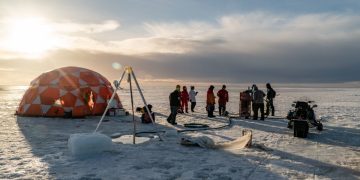
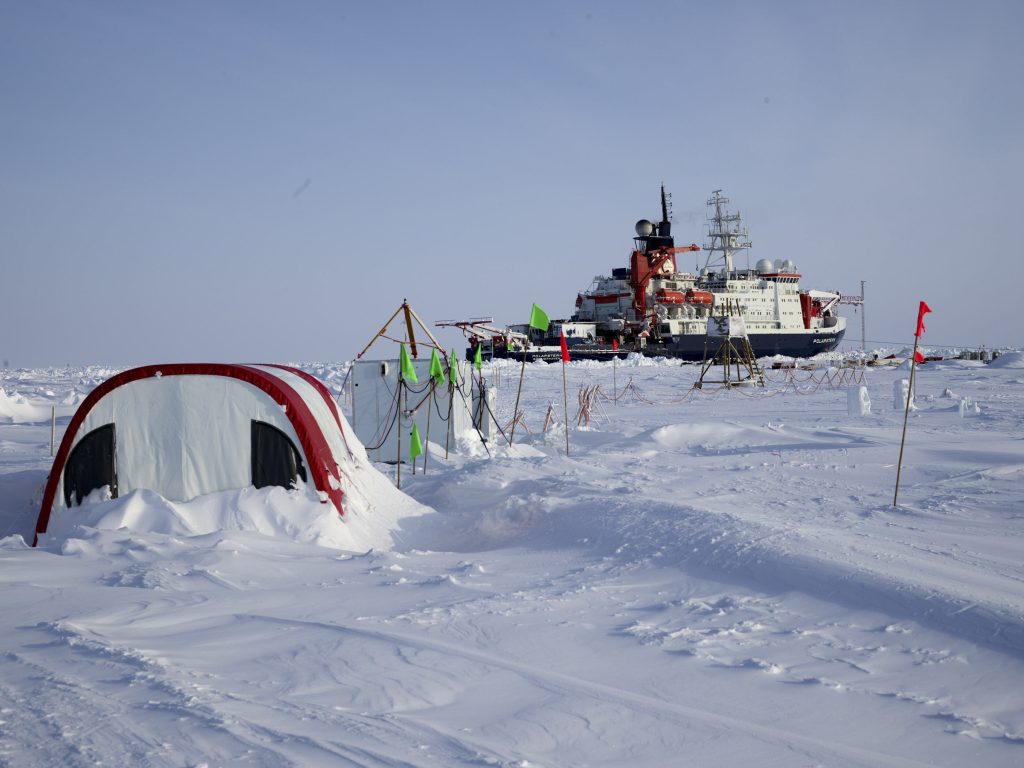
Expeditions today rely on cutting-edge technology, including icebreakers, satellite imagery, and high-altitude aircraft. Adventurers continue to cross the ice sheets on foot, skis, and by sled, while scientific teams use polar research stations to conduct vital climate and ecological research.
Antarctica remains largely untouched by commercial development, with the Antarctic Treaty System protecting the continent from any military activity and limiting exploitation of its resources. The Arctic, however, faces increasing pressures from industrialization, shipping routes, and the melting of the sea ice, which opens new possibilities for access to resources.
3. Challenges of Polar Expeditions
3.1 The Perils of Extreme Cold and Isolation
Polar expeditions, both to the North and South Poles, are fraught with extreme challenges, from the deadly cold to isolation, extreme fatigue, and the unpredictable nature of the terrain. The freezing temperatures in both the Arctic and Antarctic can lead to frostbite, hypothermia, and ice blisters. The intense cold can also damage equipment, making it a constant struggle to keep tools, clothing, and machinery operational.
In addition, the remote nature of polar exploration means that help is often thousands of miles away. Communication is limited, and rescuing a stranded or injured expedition is nearly impossible without a well-coordinated and resource-heavy mission.
3.2 Navigating the Terrain
Both the Arctic and Antarctic landscapes present unique challenges for those trying to navigate them. In the Arctic, explorers must contend with drifting sea ice, unpredictable cracks in the ice, and changing weather patterns. In the Antarctic, trekkers must navigate endless ice sheets, crevasses, and blizzards that can obscure visibility, making it easy to get lost or disoriented.
Climbers and adventurers must also cope with the physical demands of traveling through deep snow and icy terrain, where each step requires tremendous effort. The lack of fresh water and proper food sources makes hydration and nutrition a constant challenge, requiring expeditions to carry specialized gear like desalination devices and freeze-dried meals.
3.3 The Psychological Strain
The isolation and extreme conditions of polar exploration also place significant strain on the psychological well-being of explorers. In both the Arctic and Antarctic, teams spend weeks or even months in complete isolation, without contact with the outside world. The monotony, freezing temperatures, and lack of natural sunlight take a toll on mental health, leading to depression, anxiety, and disorientation.
The psychological challenges are often compounded by the physical fatigue that comes from long hours of work in freezing conditions, which leads to mistakes, accidents, and, in some cases, fatalities.
4. The Future of Polar Exploration
4.1 Environmental Concerns and the Impact of Climate Change
The future of polar exploration is inextricably linked to the health of the polar regions themselves. The Arctic is warming at a rate more than twice as fast as the global average, while the Antarctic is also seeing significant changes due to climate change. Melting ice is contributing to rising sea levels and threatening ecosystems that depend on the polar regions for survival.
Future expeditions will likely focus heavily on climate monitoring, environmental protection, and understanding the effects of human activity on the polar ecosystems. Researchers will continue to study how melting ice is impacting global weather patterns, sea levels, and biodiversity.
4.2 Polar Tourism and Adventure
As climate change continues to alter the physical landscape of both the North Pole and South Pole, tourism to these areas is becoming more common. Luxury expeditions to Antarctica, including cruise ships, airplane tours, and land-based treks, are offering travelers the chance to experience the harsh beauty of the polar regions. Similarly, North Pole adventures are becoming more accessible, with specialized tours taking visitors to the Arctic via icebreaker ships or Arctic flights.
While polar tourism offers an exciting opportunity for those seeking adventure, it also poses environmental and ethical challenges. As more travelers flock to these fragile ecosystems, there is growing concern about the impact on the environment and the wildlife that calls the polar regions home.
Conclusion: A Legacy of Exploration and Discovery
Polar exploration has long captured the human imagination, inspiring awe, fear, and admiration for those who have ventured into the frozen expanses of the North Pole and South Pole. From the early expeditions of Amundsen and Scott to modern-day adventurers pushing the limits of human endurance, the polar regions continue to challenge and awe those who attempt to conquer them. As we look to the future of polar exploration, we must balance our curiosity and desire for adventure with the need to protect these fragile and rapidly changing ecosystems.
In the end, the North and South Poles will remain one of the ultimate frontiers of human discovery—places where the spirit of adventure and the drive for knowledge meet the most extreme conditions on Earth.