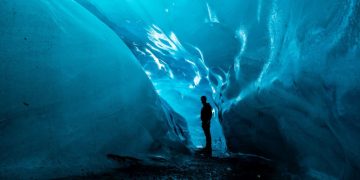










Introduction: The Enigmatic Beauty of Iceland’s Blue Ice Caves
Iceland, a land of fire and ice, is renowned for its dramatic landscapes, which are shaped by volcanic eruptions, geysers, and glaciers. Among its most captivating natural wonders are the blue ice caves, hidden beneath the thick layers of glaciers that blanket much of the island. These caves, with their striking crystal-clear blue ice, offer an unparalleled experience for adventurers, photographers, and nature lovers alike.
The allure of Iceland’s ice caves lies not only in their stunning beauty but also in the unique geological processes that form them. The caves are living, breathing formations that evolve over time, shaped by the interplay of glacial movement, meltwater, and frozen elements. This ever-changing environment offers a glimpse into the dynamic forces of nature, and a rare opportunity to explore the ice that shapes Iceland’s landscape.
In this article, we will delve into the origins, geology, and breathtaking features of Iceland’s blue ice caves, exploring why they are a must-visit destination for anyone seeking to experience one of nature’s most awe-inspiring spectacles.
1. The Formation of Iceland’s Ice Caves
1.1 Understanding Iceland’s Glaciers
Iceland’s glaciers are some of the most dynamic and beautiful on the planet. They cover approximately 11% of the country’s landmass, and their constant movement and interaction with the environment give rise to unique features like ice caves. The most famous of Iceland’s glaciers include Vatnajökull, Langjökull, and Mýrdalsjökull, each home to a variety of ice formations, including the iconic blue ice caves.
Glaciers are massive rivers of ice that slowly flow down mountains, carving valleys and depositing debris along the way. The weight of the ice causes it to move, creating cracks and crevices in the glacier. Over time, these cracks deepen and evolve into ice caves, which can range from small, delicate formations to large, expansive chambers.
Iceland’s glaciers are not static; they are constantly being reshaped by the forces of melting, freezing, and movement. This means that the ice caves are constantly changing, with new caves being created and old ones disappearing as the glacier shifts and recedes.
1.2 The Role of Meltwater
One of the key factors in the formation of blue ice caves is the presence of meltwater. As temperatures rise in the warmer months, meltwater from the surface of the glacier begins to trickle down through cracks in the ice. This water, which has been trapped in the glacier for centuries or even millennia, gradually forms tunnels and chambers beneath the surface.
In certain conditions, the meltwater flowing through the glacier can carve intricate channels, enlarging cracks and creating spectacular underground passageways. Over time, the continuous flow of meltwater can create large ice caves, which may be accessible during the colder months when the temperature drops and the water freezes again.
The presence of meltwater also contributes to the striking blue color of the ice. When ice is compressed over time, air bubbles trapped within the ice are forced out. The high pressure causes the ice to become more transparent, allowing blue light to penetrate deeper into the ice, creating the ethereal blue hues that are characteristic of Iceland’s ice caves.
1.3 Ice Cave Coloration: The Science Behind the Blue Ice
The mesmerizing blue color of Iceland’s ice caves is due to the way light interacts with the ice. When sunlight hits the glacier, it penetrates the ice and is scattered. The ice filters out longer wavelengths of light, such as red and yellow, allowing the shorter wavelengths, primarily blue, to pass through. This is a phenomenon known as Rayleigh scattering, which causes the ice to appear blue, especially when it is thick and compact.
As the ice becomes more compressed and free of air bubbles, the intensity of the blue color increases. The clearer the ice, the more vibrant the blue becomes, creating a breathtaking visual effect within the caves. This coloration, along with the intricate patterns and textures of the ice, makes Iceland’s blue ice caves some of the most stunning natural formations in the world.

2. Exploring Iceland’s Iconic Blue Ice Caves
2.1 Notable Ice Caves in Iceland
While Iceland is home to many glaciers and ice caves, some of the most famous and accessible blue ice caves are located in and around Vatnajökull Glacier, which is the largest ice cap in Europe. Here are a few key locations where you can experience the blue ice caves:
2.1.1 Vatnajökull Glacier and Jökulsárlón
Jökulsárlón, the glacier lagoon located on the edge of Vatnajökull Glacier, is one of the most popular spots to see blue ice caves in Iceland. The lagoon, filled with floating icebergs that have broken off from the glacier, is surrounded by vast expanses of ice and snow. The meltwater that feeds into Jökulsárlón is also responsible for the formation of the nearby ice caves, which can be accessed by guided tours.
One of the most famous ice caves in the Vatnajökull area is the Crystal Cave, located near the Breiðamerkurjökull Glacier. The cave is known for its stunning blue ice, which glows in the light of the tour group’s headlamps, creating a surreal atmosphere.
2.1.2 Mýrdalsjökull Glacier and Kötlujökull
Another notable location for exploring blue ice caves is Mýrdalsjökull Glacier, located in the southern part of Iceland. This glacier sits atop the active Katla Volcano, which makes it an area of great geological interest. The ice caves in this region are formed by meltwater from the glacier and volcanic heat from below, creating some of the most unique and ever-changing ice formations in the country.
2.1.3 Langjökull Glacier
Located in the highlands of Iceland, Langjökull Glacier is home to several smaller ice caves, many of which are accessible via guided tours. Langjökull is unique because it has been the site of extensive man-made tunnels and ice cave exploration. Tourists can take snowmobiles or super jeeps to reach the glacier and explore its ice tunnels, which offer a slightly different experience from natural caves, but still showcase the stunning blue ice formations.
2.2 Guided Tours: A Safe Way to Explore
Due to the inherent dangers of exploring glaciers and ice caves, it is crucial to undertake a guided tour when visiting these remote and icy environments. Professional guides are trained in glacier safety and know the safest routes to take to reach the caves. They also provide necessary equipment, such as ice axes, crampons, and helmets, to ensure that visitors can navigate the icy terrain safely.
Guided tours typically involve a combination of glacier hiking and ice cave exploration. Visitors can learn about the geology of the glacier, the formation of the ice caves, and the unique life forms that thrive in these frozen environments. The tours are often tailored to different levels of experience, from beginners to more advanced adventurers.
3. The Ecological Importance of Iceland’s Blue Ice Caves
3.1 Microbial Life in the Ice Caves
Though it may seem inhospitable, Iceland’s ice caves are not devoid of life. Microorganisms, such as bacteria and fungi, have been found in the ice, living in the extreme cold and darkness of the caves. These extremophiles are capable of surviving in conditions that would be lethal to most other forms of life.
Researchers have been studying the microbial communities in Iceland’s ice caves to understand how life can persist in such extreme environments. The findings could have important implications for the study of life in other harsh environments, such as the polar regions of Mars or the icy moons of Jupiter and Saturn.
3.2 Climate Change and the Future of Ice Caves
Like many other glaciers around the world, Iceland’s ice caves are under threat from climate change. Rising temperatures are causing glaciers to melt at an accelerated rate, leading to the retreat of ice fields and the loss of ice caves. As the glaciers recede, the caves themselves are becoming smaller, and some have disappeared entirely.
The rapidly changing landscape of Iceland’s glaciers and ice caves serves as a stark reminder of the urgency of addressing climate change. While the beauty of the blue ice caves is a marvel to witness, their vulnerability highlights the need for global efforts to mitigate the effects of global warming.
4. The Allure of Blue Ice Caves: A Photographer’s Paradise
The blue ice caves of Iceland are not only a breathtaking natural wonder but also a photographer’s paradise. The interplay of light and shadow, the stunning blue hues, and the intricate patterns of the ice provide endless opportunities for stunning photographs. Whether you’re an amateur photographer or a professional, the ice caves offer unique challenges and rewards in capturing nature’s most beautiful and elusive moments.
Photography tours are available in Iceland, where visitors can be guided to the best spots for capturing the caves. These tours provide expert guidance on the best angles, lighting, and techniques to capture the essence of the caves’ otherworldly beauty.
Conclusion: The Eternal Majesty of Iceland’s Blue Ice Caves
Iceland’s blue ice caves are a testament to the dynamic and ever-changing nature of the planet’s geological forces. These stunning formations, shaped by glaciers, meltwater, and the forces of nature, offer a rare and magical opportunity to witness the beauty of our planet’s frozen heart.
The blue ice caves of Iceland are a reminder of the delicate balance between natural forces, ecology, and human impact. As they continue to evolve and change, these caves will remain one of Iceland’s most awe-inspiring and treasured natural wonders, attracting travelers from around the world who seek to experience their unparalleled beauty and mystery.