





Introduction: The Power of Understanding Different Lifestyles
In an increasingly interconnected world, we are more likely than ever to encounter people whose lives, values, and practices are different from our own. From the bustling streets of Tokyo to the rural villages of Africa, each person’s way of life is shaped by their unique environment, history, and culture. Yet, despite the incredible diversity that exists across the globe, the ability to understand and appreciate these differences remains an ongoing challenge.
In many ways, the differences we encounter in other cultures serve as an opportunity for growth, learning, and expansion of perspective. To understand another way of life is not merely to tolerate it but to engage with it in a way that deepens our empathy and broadens our worldview. Understanding the complexity of other cultures and lifestyles can lead to a greater sense of shared humanity, foster cross-cultural communication, and help bridge the divides that often separate us.
This article will explore the importance of learning to understand different lifestyles, the challenges involved, and the profound benefits of embracing a cross-cultural perspective. By understanding another way of life, we not only enrich our own lives but contribute to creating a more compassionate, interconnected, and peaceful world.
1. The Importance of Understanding Different Lifestyles
1.1 Cultural Relativism and the Need for Open-Mindedness
To understand another way of life, one must first embrace the concept of cultural relativism—the idea that cultural practices should be understood in their own context, rather than judged by the standards of another culture. This concept is crucial in fostering respect and empathy for lifestyles that may seem unfamiliar, strange, or even “wrong” to us.
Cultural relativism allows us to view different lifestyles with an open mind, free from judgment. When we open ourselves to understanding the diverse practices, beliefs, and values that exist across cultures, we begin to see that there are multiple valid ways of living. This perspective is especially important in today’s world, where globalization is bringing us closer to cultures that might previously have felt distant or inaccessible.
For example, in some cultures, family bonds are prioritized above individual success, while in others, personal freedom and individual achievement are seen as paramount. Social hierarchies and the roles of men and women can differ drastically, and what we consider “progress” may look very different depending on the social context. By seeking to understand these variations, we gain deeper insights into how human beings organize their lives and solve similar problems in different ways.
1.2 Expanding Empathy and Emotional Intelligence
Learning to understand different lifestyles helps us to expand our empathy—the ability to see the world through another person’s eyes. Empathy is at the core of meaningful human connection, and the more we understand the motivations, fears, and desires of others, the more we are able to build compassionate relationships.
When we take the time to understand the challenges faced by people in other parts of the world—be it the struggles of women in patriarchal societies, the hardships faced by marginalized communities, or the daily realities of rural life—we begin to feel a sense of shared humanity. This can trigger a deep emotional response that leads us to advocate for social justice, human rights, and equitable opportunities.
Moreover, understanding different ways of life also enhances our emotional intelligence, which is the ability to navigate interpersonal relationships with sensitivity and awareness. This skill is vital not only in personal relationships but also in the increasingly diverse workplace and global community.
1.3 Breaking Down Stereotypes and Overcoming Bias
One of the greatest barriers to understanding another way of life is the stereotypes and biases that often cloud our perceptions. These preconceptions can be based on our own cultural backgrounds, media portrayals, or historical narratives that shape how we view other people. When we rely on stereotypes, we fail to see individuals and communities for who they truly are, instead reducing them to simplistic and often inaccurate categories.
To break down these barriers, it is essential to engage with other cultures with an open heart and mind—to ask questions, listen, and engage in genuine, respectful dialogue. Traveling, interacting with people from different backgrounds, and immersing oneself in unfamiliar cultures can help us see beyond our biases and stereotypes, fostering a more nuanced and accurate understanding of the world.
2. How Different Lifestyles Are Shaped
2.1 Geography and Environment
One of the most significant factors shaping a person’s way of life is the geography and environment in which they live. For example, the lifestyle of a fisherman in the Mediterranean will differ greatly from that of a nomadic herder in the Sahara Desert. These lifestyle differences are not arbitrary but are deeply influenced by the physical and natural resources available to each community.
In coastal regions, fishing, maritime trade, and the use of sea-related resources are central to daily life. In contrast, nomadic herders must adapt to harsh desert climates, using camels and other animals as their primary mode of transportation and livelihood. The practices, beliefs, and even the social structure of these communities are deeply rooted in their environments, making each way of life distinct and valuable in its own right.
2.2 History and Tradition
The history of a culture plays a crucial role in shaping its lifestyle. Historical events—such as wars, migrations, and colonialism—can significantly influence how communities live today. For example, many Native American tribes have their own rich histories of land stewardship, spirituality, and cultural traditions, which have been passed down for generations. Understanding these histories is essential to appreciating the lifestyles of these communities.
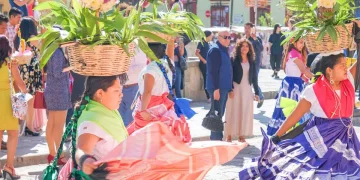
In addition, traditions are often the bedrock of cultural identity. Rituals, customs, festivals, and social norms provide structure and meaning to people’s lives. In India, the observance of religious holidays such as Diwali or Eid shapes the rhythms of daily life, while in Japan, traditions such as tea ceremonies and seasonal festivals reflect a deep respect for nature and the changing seasons.
By learning about the history and traditions that shape a culture, we gain a greater appreciation for why people live the way they do. These traditions are not simply quaint practices but are deeply meaningful and central to the identity of the people who follow them.
2.3 Economics and Social Systems
Another major influence on lifestyles is a culture’s economic structure and social systems. Countries with capitalist economies may emphasize individual success and entrepreneurship, while socialist or communal societies may focus on collective well-being and social equity. Economic systems shape everything from work to education, to how wealth is distributed and how resources are allocated.
For instance, in Scandinavian countries such as Sweden or Denmark, where social safety nets are robust and equality is prioritized, the lifestyle is characterized by a strong sense of social cohesion and state-supported services. People enjoy longer vacations, better work-life balance, and a more equal distribution of wealth compared to countries with less comprehensive welfare systems.
Similarly, in developing countries, economic challenges may result in different priorities, such as a focus on survival, family support, and community solidarity. These differences lead to different approaches to work, leisure, and education, and a person from a wealthier country may need to understand and appreciate these priorities in order to avoid imposing judgment on unfamiliar practices.
3. Strategies for Understanding Different Lifestyles
3.1 Travel as a Tool for Immersion and Learning
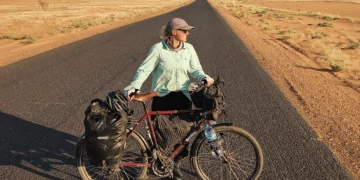
One of the most powerful ways to understand a different way of life is through travel. Rather than visiting a country as a typical tourist, slow down, engage with the local community, and immerse yourself in the culture. Participate in local activities, speak to residents, visit non-touristy areas, and learn firsthand about the practices, traditions, and beliefs that define a community.
This type of immersive travel allows for a deeper connection and fosters a greater understanding of what it means to live in that culture. However, it’s crucial to approach travel with humility, understanding that the goal is not to simply “check off” experiences but to engage with an open mind and heart.
3.2 Learning Languages and Communication Styles
Learning the language of a culture is one of the most effective ways to understand its way of life. Language is more than just a tool for communication—it carries within it the worldview, values, and history of a people. When you speak the language, you gain access to a more intimate understanding of that culture’s philosophies, stories, and values.
In addition to learning the language itself, understanding communication styles is also essential. For example, in East Asia, indirect communication is often preferred, and being able to read between the lines is an essential skill. In Latin America, conversation is often lively and warm, with a strong emphasis on personal connection. Recognizing these nuances helps you to navigate interactions with respect and cultural sensitivity.
3.3 Active Listening and Reflection
Active listening is a crucial skill when it comes to understanding another way of life. It involves not just hearing words, but fully engaging with what someone is saying, asking thoughtful questions, and being open to perspectives that differ from your own. Reflecting on these conversations and considering how they challenge or affirm your own beliefs is also key to gaining a deeper understanding.
Engage in conversations with curiosity, not with the aim of winning an argument or convincing someone to adopt your perspective. By listening deeply and approaching others with respect, you can learn not only about their way of life but also about your own assumptions and biases.
4. Conclusion: Embracing a Broader Worldview
In a world that is increasingly divided along cultural, political, and economic lines, learning to understand different lifestyles is more important than ever. The ability to engage with people from different backgrounds—without judgment and with empathy—can bridge divides, foster mutual respect, and create a more interconnected world.
By embracing the principles of cultural relativism, expanding our empathy, and engaging in active learning, we can deepen our understanding of the diverse ways in which people live and thrive. Each culture offers a unique perspective on the world and the human experience, and by seeking to understand these differences, we not only enrich our own lives but contribute to a more compassionate and harmonious global community.