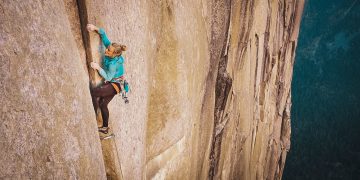










Free solo climbing, the practice of ascending rock faces without ropes, harnesses, or protective gear, has captured the imagination of the climbing world and the general public alike. Coupled with the growing popularity of tackling extreme routes—challenging climbs rated at the upper limits of human capability—this phenomenon represents the apex of physical skill, mental focus, and risk management in climbing sports. Unlike traditional climbing, free solo demands total reliance on physical ability and psychological control, where a single misstep can have fatal consequences.
This article provides a professional and comprehensive examination of free solo climbing and extreme route challenges. It explores the physiological, biomechanical, and psychological aspects of climbing, training methodologies, risk assessment, historical development, and the cultural and social factors fueling its rise. Through detailed analysis and case studies, this discussion highlights why free solo climbing continues to attract dedicated athletes and spectators, despite—or perhaps because of—the extraordinary risks involved.
1. Introduction to Free Solo Climbing
1.1 Definition and Distinctions
- Free solo climbing: Ascending vertical rock faces entirely without protective equipment.
- Extreme route climbing: Involves highly difficult routes, often with overhanging faces, technical holds, and minimal margins for error, sometimes including protected climbing with ropes but requiring advanced skills.
- Free solo is differentiated by the complete absence of safety gear, amplifying both risk and mental demand.
1.2 Historical Development
- Ancient climbing techniques relied on minimal gear, mostly natural anchors and rudimentary ropes.
- Modern free solo pioneers like John Bachar and Alex Honnold elevated the sport, performing extreme ascents that combined technical difficulty with mental resilience.
- Media exposure and documentaries, such as Free Solo featuring Honnold’s ascent of El Capitan, have fueled mainstream interest.
1.3 Cultural and Social Appeal
- Free solo climbing embodies the ultimate test of human courage and precision.
- Audiences are drawn to the psychological tension and narrative of overcoming physical and mental limits.
- The discipline has become a symbol of personal mastery, risk-taking, and the pursuit of excellence.
2. Physiological Challenges
2.1 Strength and Endurance
- Free solo climbing requires maximal finger strength, core stability, and dynamic power in both upper and lower body.
- Sustained endurance is critical for multi-pitch climbs, with muscle fatigue management influencing both performance and safety.
- Training emphasizes antagonist muscle balancing to prevent injury during high-intensity grips and dynamic movements.
2.2 Grip Mechanics and Hand Health
- Finger tendon and pulley strength is essential for maintaining hold on small crimps and slopers.
- Regular assessment of skin condition, callus formation, and micro-tears is crucial.
- Techniques such as controlled chalk use, friction optimization, and precise grip placement reduce the risk of slippage.
2.3 Cardiovascular and Respiratory Adaptation
- Climbing requires a combination of anaerobic bursts for dynamic moves and aerobic endurance for sustained ascents.
- Controlled breathing helps maintain oxygen efficiency, reduce anxiety, and stabilize movement.
- Hypoxic adaptation through intermittent high-intensity training may improve performance at altitude.
3. Biomechanics and Technique
3.1 Footwork and Weight Distribution
- Precise foot placement maximizes contact with small holds and friction points.
- Body positioning and weight shifting reduce load on fingers and arms, allowing more efficient energy transfer.
- Edging, smearing, and heel-hooking techniques are essential on overhanging and vertical routes.
3.2 Body Position and Core Control
- Maintaining center of gravity near the rock face enhances stability.
- Core engagement ensures smooth movement between holds and reduces the risk of falls due to momentum loss.
- Dynamic moves, such as lunges and mantling, require explosive core and leg coordination.
3.3 Route Reading and Flow
- Successful free soloing requires memorizing sequences of holds and anticipating transitions.
- Climbers develop “flow” states where decision-making becomes instinctive, optimizing efficiency and reducing cognitive load.
- Visualizing the climb before execution improves accuracy and reduces errors under stress.
4. Psychological and Mental Strategies
4.1 Fear Management
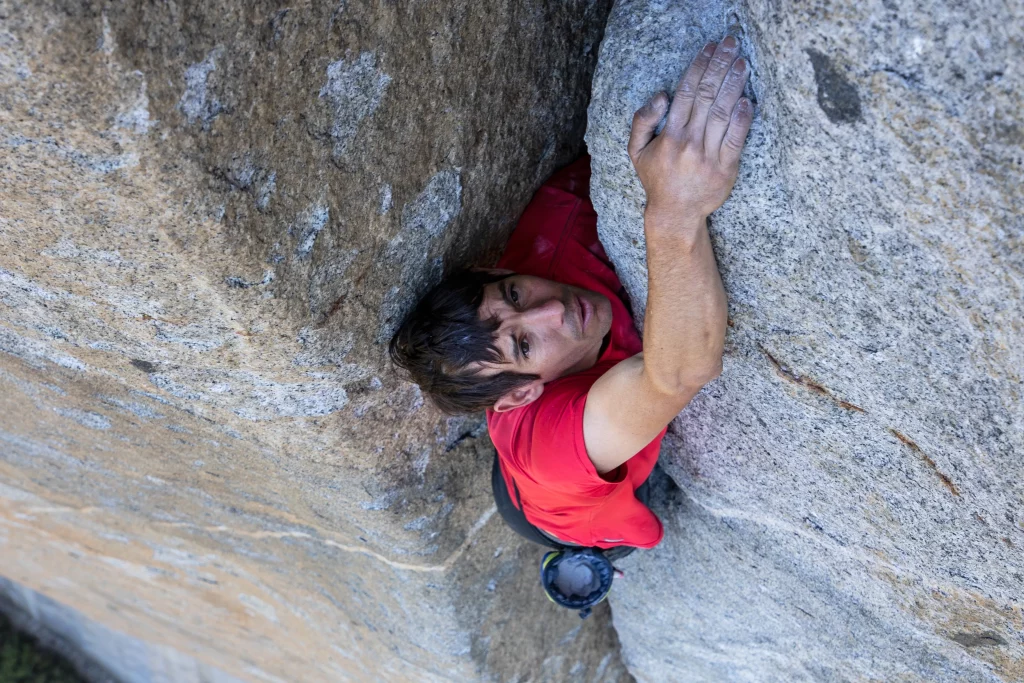
- Exposure to high-risk scenarios naturally triggers adrenaline and stress responses.
- Training involves gradual desensitization, exposure to heights, and simulated high-risk situations.
- Mindfulness, meditation, and controlled breathing regulate heart rate and cognitive processing.
4.2 Focus and Concentration
- Sustained attention is crucial; lapses in focus can lead to misjudgment of hold size, body position, or sequencing.
- Techniques include visualization, cognitive rehearsal, and segmentation of routes into manageable sections.
4.3 Risk Assessment and Decision-Making
- Climbers continuously evaluate environmental conditions, physical state, and route difficulty.
- Decisions such as whether to attempt a move, rest, or retreat are influenced by both experience and situational awareness.
5. Training and Preparation
5.1 Physical Conditioning
- Climbing-specific training: hangboarding, campus boarding, and weighted pull-ups.
- Core and stability exercises: planks, leg raises, and rotational movements.
- Endurance sessions: long climbing circuits, cardio, and active recovery practices.
5.2 Mental and Cognitive Conditioning
- Visualization and mental rehearsal simulate high-risk climbs to strengthen confidence.
- Stress inoculation: progressive exposure to heights and increasingly challenging climbs.
- Mental resilience practices, including meditation and focus training, reduce cognitive fatigue.
5.3 Simulation and Incremental Challenges
- Practice on protected routes at similar angles and difficulty levels before attempting free solo ascents.
- Gradual increase in route complexity and exposure reduces psychological shock and improves technique reliability.
6. Safety and Risk Management
6.1 Controlled Environment Training
- Initial free solo practice often occurs at lower heights or gym walls to build skill safely.
- Use of crash pads and spotters in bouldering prepares the mind and body for risk assessment.
6.2 Environmental Assessment
- Weather, rock conditions, temperature, and humidity influence friction and hold stability.
- Pre-climb observation and route inspection are critical for hazard identification.
6.3 Emergency Preparedness
- While free solo eliminates safety gear, knowledge of rescue procedures and first aid is essential.
- Communication with support teams and climbers on adjacent routes provides contingency support.
7. High-Difficulty Route Challenges
7.1 Grading Systems and Metrics
- Yosemite Decimal System (YDS) and French grading evaluate technical difficulty, endurance demand, and exposure.
- Extreme routes often exceed 5.14 (YDS) or 8b+ (French), requiring maximal technical skill and precision.
7.2 Iconic Climbing Locations
- El Capitan, Yosemite: A vertical granite monolith, offering multi-pitch free solo challenges.
- Mount Thor, Canada: Known for extreme overhangs and sheer drops.
- Céüse, France: Limestone cliffs with technically demanding holds and routes.
7.3 Record-Setting Ascents
- Alex Honnold’s free solo of El Capitan remains a benchmark in climbing history.
- Pioneers continually push boundaries with harder, longer, and more exposed routes, blending physical skill with psychological mastery.
8. Cultural Impact and Media Influence
8.1 Documentaries and Public Perception
- Films like Free Solo and The Dawn Wall have brought free solo climbing to mainstream audiences.
- Media emphasizes the human story, risk, and psychological challenge, inspiring both admiration and debate.
8.2 Sponsorship and Professionalization
- Elite climbers gain sponsorship for apparel, gear, and adventure media projects.
- Competitive and commercial exposure increases both interest and scrutiny in the sport.
8.3 Ethical and Philosophical Debate
- Free solo climbing raises questions about acceptable risk and societal perception of extreme sports.
- Discussions focus on personal autonomy versus public influence and media glorification of danger.
9. Advances in Technology and Gear
9.1 Lightweight Climbing Shoes
- Optimized rubber compounds and aggressive edging allow precise foothold engagement.
- Minimalist design reduces weight while maximizing tactile feedback.
9.2 Chalk and Friction Aids
- Magnesium carbonate chalk enhances grip, reduces sweat, and improves contact with rock surfaces.
- Strategic use ensures effectiveness while preventing excessive environmental impact.
9.3 Wearable Monitoring Devices
- Heart rate monitors, GPS, and performance trackers provide data for training and risk analysis.
- Biofeedback tools inform climbers of stress levels, allowing mental and physical adjustments.
10. Future Directions
10.1 Increasing Complexity of Routes
- Climbers continue seeking routes with extreme overhangs, micro-holds, and high-altitude exposure.
- Innovation in movement techniques, training regimens, and mental conditioning will expand the limits of free solo performance.
10.2 Integration of Science and Sport
- Biomechanical analysis, physiological monitoring, and psychological research refine training and risk management.
- Understanding neural adaptation, muscle coordination, and stress response informs safer, more efficient ascents.
10.3 Cultural Expansion
- Free solo and extreme route climbing influence outdoor recreation, fitness culture, and adventure tourism.
- Ethical storytelling and responsible media coverage are essential for promoting safe engagement with high-risk sports.
11. Conclusion
Free solo climbing and extreme route challenges represent the ultimate synthesis of human physical ability, mental resilience, and risk awareness. They combine technical mastery, precise biomechanics, and deep psychological focus, demonstrating what the human body and mind can achieve under extreme conditions.
While inherently dangerous, free solo climbing is also a discipline of discipline, preparation, and respect for natural forces. Its continued popularity reflects both fascination with human achievement and a collective admiration for those who confront fear, test limits, and embrace vulnerability in pursuit of mastery. As technology, training methods, and scientific understanding evolve, climbers will continue to explore unprecedented vertical challenges, balancing courage with skill, ambition with safety, and aspiration with respect for the rock itself.