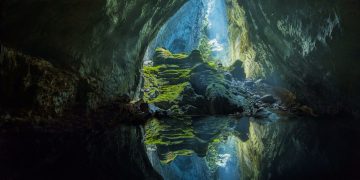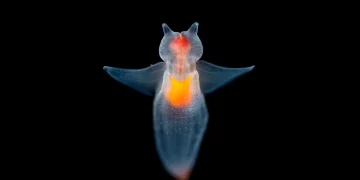










The deep ocean, a realm largely untouched by human exploration, hosts some of the most extraordinary life forms on Earth. Abyssal creatures, inhabiting depths beyond 4,000 meters, exhibit bizarre morphologies and behaviors that challenge our understanding of life, adaptation, and ecological interactions. From transparent, gelatinous fish to bioluminescent predators with elongated appendages, these organisms thrive in a world defined by perpetual darkness, immense pressure, and near-freezing temperatures.
This article provides a detailed exploration of abyssal life, examining their physical adaptations, ecological roles, evolutionary strategies, and the mysterious ecosystems they inhabit. It combines insights from marine biology, deep-sea ecology, evolutionary theory, and modern exploration technology, revealing why these ecosystems remain among the most enigmatic and compelling frontiers of scientific research.
1. Introduction to Abyssal Life
1.1 Defining the Abyssal Zone
- Depth range: 4,000–6,000 meters, encompassing the abyssal plains.
- Environmental characteristics: near-freezing temperatures (1–4°C), extreme hydrostatic pressure (>400 atmospheres), total darkness, low nutrient availability.
- Covers approximately 54% of the global ocean floor, making it one of the largest ecosystems on Earth.
1.2 Significance of Study
- Biological insights: Extremophile adaptations, energy-efficient locomotion, and novel feeding mechanisms.
- Ecological importance: Deep-sea organisms regulate biogeochemical cycles, carbon sequestration, and nutrient redistribution.
- Evolutionary intrigue: Many abyssal species represent relic lineages with ancient origins.
2. Extreme Environmental Pressures
2.1 Hydrostatic Pressure
- Pressure increases approximately 1 atmosphere every 10 meters depth.
- Structural adaptations: Flexible membranes, reduced calcification, and pressure-resistant enzymes.
- Implications: Limits organism size, locomotion speed, and cellular architecture.
2.2 Temperature and Light
- Constant low temperatures slow metabolism, affecting growth and reproduction.
- Absence of sunlight precludes photosynthesis, necessitating alternative energy sources.
2.3 Scarce Food Resources
- Most food originates from marine snow—organic detritus descending from surface waters.
- Abyssal predators and scavengers have evolved efficient feeding strategies, including opportunistic consumption and long-distance foraging.
3. Bizarre Morphologies of Abyssal Creatures
3.1 Transparency and Gelatinous Bodies
- Many species, such as the pelagic ctenophores and deep-sea jellyfish, possess near-transparent bodies.
- Benefits: Camouflage, reduced energy expenditure due to low-density tissues, and neutral buoyancy.
3.2 Bioluminescence
- Used for predation, communication, and mating.
- Luciferin-luciferase reactions generate light; some species possess highly specialized photophores.
- Examples: Anglerfish lures, lanternfish schools, and deep-sea squid counter-illumination.
3.3 Extreme Appendages and Sensory Organs
- Elongated jaws, tentacles, and barbels aid prey capture in darkness.
- Enlarged eyes in some species, like dragonfish, capture minimal light.
- Lateral line systems detect water movement and vibrations, compensating for limited visual input.
3.4 Gigantism and Miniaturization
- Abyssal gigantism: Giant isopods, amphipods, and deep-sea squids exhibit large sizes, possibly due to low predation and energy conservation.
- Miniaturization: Some benthic species reduce size to conserve energy and occupy limited ecological niches.
4. Adaptations to Abyssal Life
4.1 Metabolic Adaptations
- Low basal metabolism conserves energy under nutrient scarcity.
- Some organisms metabolize detritus, chemosynthetic bacteria, or other deep-sea fauna.
4.2 Reproductive Strategies
- Low population densities necessitate unique reproductive adaptations: hermaphroditism, external fertilization, and parasitic male attachment in anglerfish.
- Long developmental periods align with slow growth rates in cold, resource-limited environments.
4.3 Chemosynthetic Symbiosis
- Hydrothermal vent ecosystems rely on chemosynthesis rather than photosynthesis.
- Symbiotic bacteria in tube worms and vent clams convert hydrogen sulfide into organic compounds, supporting localized food webs.
5. Abyssal Ecosystems
5.1 Hydrothermal Vents
- Deep-sea volcanic openings emit mineral-rich fluids at high temperatures.
- Host unique communities including tube worms, giant clams, vent crabs, and microbial mats.
- Ecosystem relies on chemosynthetic primary production.
5.2 Cold Seeps
- Areas where methane or hydrogen sulfide leaks from sediments.
- Microbial mats and symbiotic relationships support diverse invertebrates and specialized fish.
5.3 Abyssal Plains and Trenches
- Flat, sediment-covered regions dominated by scavengers and deposit feeders.
- Species diversity remains poorly understood, with patchy distribution and slow dispersal.
5.4 Pelagic Abyssal Zone
- Open water between seafloor and surface supports migratory species like giant squid and deep-sea jellyfish.
- Vertical migrations connect deep-sea and epipelagic nutrient cycles.
6. Notable Abyssal Creatures
6.1 Anglerfish (Ceratioidei)
- Bioluminescent lure to attract prey.
- Extreme sexual dimorphism: tiny males attach parasitically to larger females.
6.2 Giant Squid (Architeuthis dux)
- Deep-sea predator reaching up to 13 meters.
- Adaptations: Large eyes for detecting bioluminescent prey, powerful tentacles for hunting.
6.3 Vampire Squid (Vampyroteuthis infernalis)
- Combines features of squid and octopus; feeds on marine detritus.
- Uses glowing photophores to deter predators.
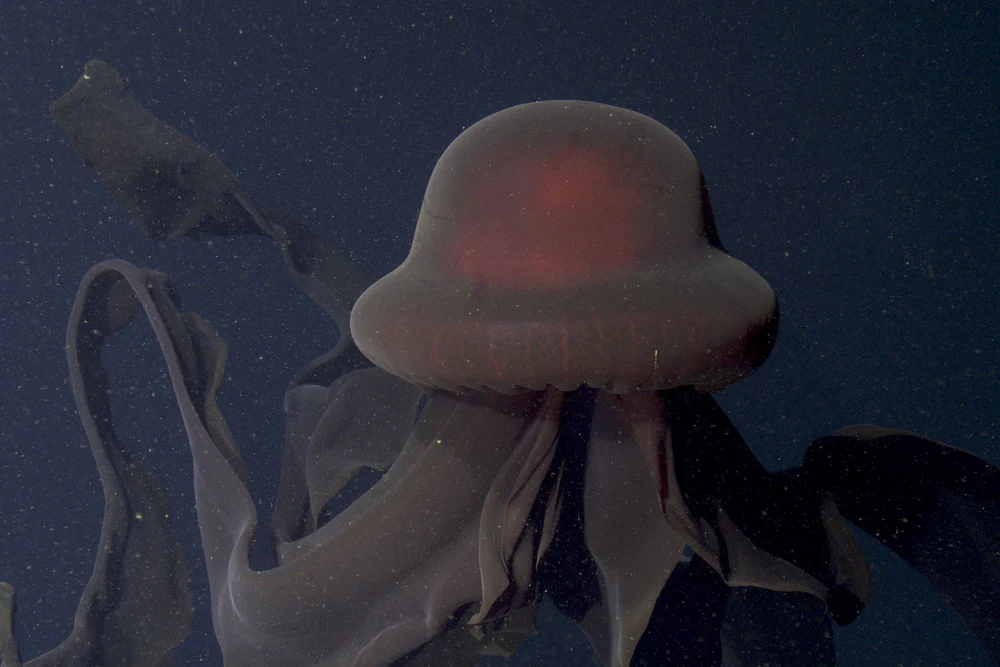
6.4 Deep-Sea Jellyfish (e.g., Atolla wyvillei)
- Produces luminous displays for defense and communication.
- Gelatinous body provides energy-efficient buoyancy.
6.5 Hydrothermal Vent Fauna
- Tube worms (Riftia pachyptila) rely entirely on symbiotic bacteria.
- Vent crabs and shrimps exhibit extreme thermal tolerance and rapid growth cycles relative to surrounding fauna.
7. Ecological Roles and Interactions
7.1 Predator-Prey Dynamics
- Scavenging dominates in abyssal plains; predation is opportunistic.
- Bioluminescence facilitates hunting and communication.
7.2 Nutrient Cycling
- Detritivores recycle organic material from marine snow, supporting higher trophic levels.
- Chemosynthetic ecosystems convert inorganic chemicals into organic matter, sustaining localized food webs.
7.3 Ecosystem Engineering
- Burrowing species aerate sediments, influencing microbial activity and nutrient availability.
- Sessile organisms like sponges provide habitat structure for other invertebrates.
8. Scientific Exploration and Methodology
8.1 Manned and Remote Submersibles
- Alvin, Deepsea Challenger, and other submersibles allow direct observation and sample collection.
- Advanced cameras, robotic arms, and environmental sensors enable precise study.
8.2 Environmental DNA (eDNA)
- Analyzing water samples for genetic material allows detection of species without direct observation.
- Expands knowledge of biodiversity in inaccessible areas.
8.3 Deep-Sea Imaging
- Bioluminescent species are documented using low-light photography and infrared imaging.
- Enables behavior studies in natural darkness.
9. Unknown Frontiers and Mysteries
9.1 Undiscovered Species
- Estimates suggest millions of abyssal species remain undocumented.
- Genetic studies reveal cryptic species and evolutionary lineages.
9.2 Ecological Interactions
- Food web dynamics and interspecies relationships remain largely speculative.
- Bioluminescent signaling, mating behaviors, and territoriality are incompletely understood.
9.3 Geological and Chemical Influences
- Seafloor morphology, hydrothermal activity, and chemical gradients shape ecosystem distribution.
- Understanding these factors informs global nutrient and carbon cycles.
10. Conservation and Ethical Considerations
10.1 Threats to Abyssal Ecosystems
- Deep-sea mining, trawling, and pollution impact fragile habitats.
- Slow reproductive rates and low population densities increase vulnerability.
10.2 Sustainable Exploration
- Remote monitoring and minimally invasive sampling protect ecosystems.
- International regulations, such as the UN Convention on the Law of the Sea, govern deep-sea activities.
10.3 Future Research Directions
- Integration of AI, robotics, and autonomous vehicles enhances mapping and monitoring.
- Collaboration across nations accelerates discovery while minimizing ecological disturbance.
11. Conclusion
The abyssal realm, with its bizarrely adapted creatures and largely unknown ecosystems, represents one of the final frontiers on Earth. From bioluminescent predators to chemosynthetic symbioses, these organisms reveal the remarkable ingenuity of life in extreme environments. Despite technological advances, the deep sea remains largely unexplored, holding countless species, interactions, and ecological processes that challenge existing biological paradigms.
Studying abyssal life not only expands our understanding of evolution and ecology but also provides insights into potential biotechnological applications, conservation strategies, and even extraterrestrial analogs. The mystery of the deep ocean continues to inspire scientists and the public alike, serving as a reminder of the limits of human knowledge and the boundless creativity of life on our planet.
Exploration of the abyss will require technological innovation, interdisciplinary collaboration, and careful stewardship. As humanity ventures into these extreme depths, the strange and fascinating world of abyssal creatures will continue to challenge, astonish, and illuminate the marvels of life beneath the waves.