









The oceans of Earth cover approximately 71% of the planet’s surface, yet astonishingly, about 80% of this vast and dynamic environment remains unexplored. Despite centuries of maritime navigation and recent advances in technology, the deep ocean—its ecosystems, geological features, and chemical processes—remains largely uncharted. This enigmatic domain has captivated scientists, explorers, and the public alike, offering tantalizing glimpses of unknown biodiversity, unique geological formations, and potential resources. The uncharted ocean is not merely a frontier of science but also a realm of mystery, danger, and promise.
This article provides an in-depth exploration of the unexplored oceans, examining their ecological, geological, technological, and cultural significance. Through analysis of current research, technological innovations, and conservation challenges, it highlights why the oceans remain one of the most compelling frontiers on Earth.
1. Introduction to the Unexplored Ocean
1.1 Scope and Significance
- Earth’s oceans encompass approximately 361 million square kilometers and reach depths exceeding 11,000 meters in trenches such as the Mariana Trench.
- The unexplored majority includes deep-sea regions, mid-ocean ridges, abyssal plains, hydrothermal vents, and deep pelagic zones.
- Scientific significance: Understanding ocean dynamics is crucial for climate science, biodiversity conservation, and geological knowledge.
1.2 Historical Exploration
- Early exploration: Coastal mapping, naval expeditions, and fishing activities provided limited knowledge.
- 19th–20th centuries: Expeditions like HMS Challenger (1872–1876) laid foundations in oceanography, cataloging new species and oceanic properties.
- Modern era: Satellite mapping and deep-sea submersibles offer unprecedented access, yet vast areas remain uncharted.
1.3 Challenges in Exploration
- Extreme pressure, low temperatures, and darkness in deep-sea environments.
- Technological constraints: High-cost equipment, limited human access, and remote operation challenges.
- Environmental considerations: Sensitive ecosystems require minimal-impact exploration.
2. Geography and Physical Structure of the Oceans
2.1 Ocean Basins and Trenches
- Major ocean basins: Pacific, Atlantic, Indian, Southern, and Arctic.
- Deepest points: Mariana Trench (~11,034 m), Puerto Rico Trench (~8,376 m).
- Geological processes: Plate tectonics, subduction zones, and mid-ocean ridges shape ocean morphology.
2.2 Mid-Ocean Ridges and Hydrothermal Vents
- Mid-ocean ridges: Continuous underwater mountain ranges formed by tectonic divergence.
- Hydrothermal vents: Unique ecosystems fueled by chemosynthesis, hosting extremophile organisms.
- Importance: Offer insight into early Earth conditions and potential extraterrestrial life analogs.
2.3 Abyssal Plains and Seamounts
- Abyssal plains: Vast flat regions, often 4,000–6,000 meters deep.
- Seamounts: Submerged mountains, hotspots of marine biodiversity and nutrient upwelling.
3. Marine Biodiversity and Ecological Mysteries
3.1 Deep-Sea Organisms
- Many species remain undiscovered; estimates suggest millions of unidentified species.
- Adaptations: Bioluminescence, pressure-resistant physiology, and low-temperature metabolism.
3.2 Coral Reefs and Deep-Sea Habitats
- Deep-sea coral gardens and sponge fields thrive in nutrient-limited conditions.
- Keystone species maintain ecological stability, influencing nutrient cycling and food webs.
3.3 Extreme Environments
- Hydrothermal vents: High temperature, high pressure, and chemical-rich environments host unique life forms.
- Cold seeps: Methane-rich areas support chemosynthetic communities distinct from surface ecosystems.
3.4 Unknown Microbial Life
- Deep-sea microbes drive carbon cycling and biogeochemical processes.
- Potential biomedical and industrial applications remain largely untapped.
4. Oceanographic Processes and Climate Relevance
4.1 Ocean Circulation
- Thermohaline circulation regulates heat distribution and global climate.
- Unexplored regions contribute significantly to deep-water formation and nutrient transport.
4.2 Carbon Sequestration
- Deep-sea sediments act as carbon sinks, influencing long-term climate stability.
- Understanding sediment composition and sequestration capacity is critical for climate models.
4.3 Biogeochemical Cycles
- Ocean chemistry drives nitrogen, sulfur, and phosphorus cycles essential for life.
- Uncharted regions may harbor unknown processes affecting global ecosystems.
5. Technological Advances in Ocean Exploration
5.1 Submersibles and Manned Exploration
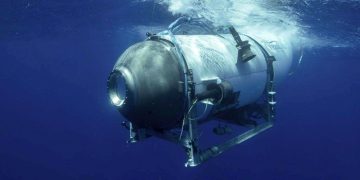
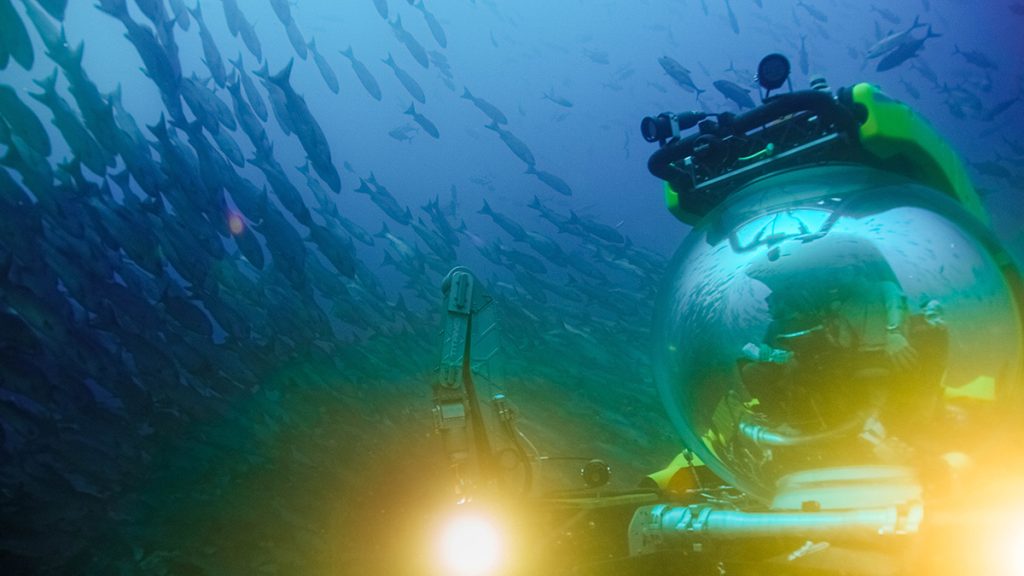
- Manned submersibles: Alvin, Deepsea Challenger, Limiting Factor enable human presence in extreme depths.
- Provide real-time observation, sample collection, and documentation.
5.2 Remotely Operated Vehicles (ROVs)
- ROVs allow prolonged, precise operations in inaccessible areas.
- Equipped with high-resolution cameras, robotic arms, and sampling instruments.
5.3 Autonomous Underwater Vehicles (AUVs)
- AUVs conduct large-scale mapping and environmental monitoring.
- Use sonar, LIDAR, and environmental sensors for high-resolution data acquisition.
5.4 Satellite and Acoustic Mapping
- Satellite altimetry infers seafloor topography through gravitational anomalies.
- Acoustic mapping (multibeam sonar) provides detailed bathymetric charts.
- Combined technologies accelerate global ocean mapping initiatives.
6. Unexplored Regions of the Ocean
6.1 Hadal Zone (>6,000 m Depth)
- Extreme pressure (>1,000 atmospheres), near-freezing temperatures, and darkness.
- Home to amphipods, deep-sea fish, and microbial extremophiles.
- Limited human exploration; challenges include material strength and pressure-resistant instrumentation.
6.2 Deep Pelagic Zone
- Occupies vast midwater columns above abyssal plains.
- Minimal light penetration; species rely on vertical migration and bioluminescence.
6.3 Polar Oceans
- Arctic and Antarctic deep waters are crucial for global circulation but remain understudied.
- Seasonal ice cover limits direct observation, demanding specialized icebreaking vessels.
6.4 Submarine Canyons and Seamounts
- Unique habitats with high species endemism.
- Nutrient-rich currents support complex food webs; largely unmapped.
7. Human Exploration and Cultural Impact
7.1 Historical Voyages
- Early navigation focused on trade and fishing, yielding limited scientific data.
- Challenger Expedition (1872–1876) pioneered systematic oceanography.
7.2 Modern Scientific Initiatives
- Census of Marine Life (2000–2010) cataloged thousands of new species.
- Seabed 2030 Project aims for complete global seafloor mapping by the end of the century.
7.3 Cultural Fascination
- Oceanic mystery inspires literature, cinema, and mythology.
- Public imagination fueled by tales of giant squid, undiscovered species, and lost civilizations.
8. Potential Resources and Ethical Considerations
8.1 Biological Resources
- Deep-sea organisms may provide pharmaceuticals, enzymes, and industrial biochemicals.
- Bioprospecting raises questions about intellectual property and ecological impact.
8.2 Mineral and Energy Resources
- Polymetallic nodules, hydrothermal sulfides, and rare earth elements exist in unexplored regions.
- Deep-sea mining poses ecological risks, requiring regulation and sustainability assessments.
8.3 Conservation Challenges
- Climate change, pollution, and overfishing threaten fragile deep-sea ecosystems.
- Conservation strategies must balance exploration, utilization, and protection.
9. Scientific Mysteries and Future Directions
9.1 Unidentified Species
- Potentially millions of unclassified organisms await discovery.
- Deep-ocean genetic mapping and environmental DNA (eDNA) analysis expand knowledge rapidly.
9.2 Geological Discoveries
- Unknown trenches, seamount chains, and hydrothermal vent systems await mapping.
- Insights may illuminate tectonic history, seismic activity, and mineral formation.
9.3 Astrobiological Implications
- Extreme environments serve as analogs for extraterrestrial oceans (Europa, Enceladus).
- Studying life in high pressure, low temperature, and chemical-rich environments informs astrobiology.
9.4 Integrating Technology and Science
- Advances in AI, robotics, and remote sensing accelerate exploration.
- Collaborative international projects maximize resource efficiency and data sharing.
10. Conclusion
The fact that 80% of Earth’s oceans remain unexplored underscores both the immensity of the marine frontier and the limitations of current human technology. Despite decades of research and monumental scientific progress, the deep ocean continues to harbor unknown species, geological features, and ecological processes. Its study is critical not only for expanding human knowledge but also for addressing pressing environmental challenges, discovering resources responsibly, and inspiring awe in the complexity of natural systems.
Exploration of the deep ocean bridges multiple disciplines—biology, geology, chemistry, physics, engineering, and even philosophy—highlighting humanity’s enduring quest to understand the unknown. As technological capabilities advance, the coming decades promise to transform our understanding of these hidden realms, revealing the mysteries that have captivated scientists, explorers, and the public for centuries. The oceans remain, quite literally, one of the last great frontiers on Earth—a place where discovery is limited only by human curiosity and ingenuity.