









Introduction
In recent years, conversations about how to survive sudden emergencies have surged across both outdoor communities and urban populations. Whether sparked by natural disasters, global pandemics, infrastructure failures, violent incidents, extreme climate events, or simple everyday accidents, the trend is clear: survival awareness is no longer a niche hobby; it has become a mainstream necessity.
Outdoor survivalists traditionally focused on wilderness skills—fire-starting, navigation, shelter-building—but the modern landscape of risk now includes urban dangers like blackouts, transportation breakdowns, chemical spills, cyber-induced chaos, and civil disturbances. As different environments present different threats, both groups—those deep in the wild and those surrounded by high-rises—are sharing knowledge, tools, and strategies to enhance resilience.
This article provides a professional, richly detailed, and highly structured 3200+ word exploration of how the two worlds are converging, what skills matter most, and how anyone—regardless of environment—can prepare for sudden, high-stress emergencies.
PART I — Why Survival Awareness is Rising Everywhere
1. The Global Shift Toward Preparedness
Outdoor communities have long embraced a self-sufficient lifestyle, but now city residents are also joining the conversation. Several global trends explain the widespread concern:
1.1 Climate Change Intensifying Disasters
Heatwaves, floods, storms, wildfires, droughts—climate-driven events affect rural campsites and dense urban districts alike.
1.2 Fragile Urban Infrastructure
Cities depend on:
- Power grids
- Public transport
- Communication networks
- Water and waste systems
When any link fails, millions feel the impact immediately.
1.3 Increased Mobility & Travel
More people travel for work and recreation, placing them in unfamiliar environments when crises occur.
1.4 Social and Economic Volatility
Unrest and instability in some regions elevate concerns about personal security.
1.5 Popular Media Influence
Survival shows, documentaries, social media, and case studies have educated the public and sparked interest in preparedness.
The public now acknowledges that emergencies strike anytime, anywhere, and survival isn’t about paranoia—it’s about empowerment and responsibility.
PART II — Comparing Outdoor Survival and Urban Survival
Though outdoor adventurers and city residents face different threats, their goals are aligned: stay alive, stay calm, stay functional, and stay connected.
1. Environment Shapes Survival Strategy
1.1 Outdoor (Wilderness) Challenges
- Uncontrolled weather
- Limited shelter
- No artificial lighting
- Lack of communication
- Wildlife encounters
- Terrain hazards
- Scarcity of clean water
1.2 Urban Challenges
- Building collapses
- Fires and smoke
- Traffic gridlock
- Electricity failure
- Crime and panic behavior
- Hazardous materials
- Crowded evacuation routes
Both environments require unique tactics, but the foundational principles are identical.
PART III — Core Survival Principles Shared by Both Worlds
Regardless of environment, survival rests on universal principles:
1. The Survival Mindset
1.1 Calm Under Pressure
Panic kills faster than most dangers. Trained individuals rely on:
- Controlled breathing
- Situational awareness
- Prioritization
- Rational decision-making
1.2 The “STOP” Method
- Stop
- Think
- Observe
- Plan
Both hikers and city workers can use this cognitive tool during emergencies.
2. The Survival Priorities Pyramid
Professionals commonly follow this order:
- Safety — immediate removal from danger
- Shelter — body temperature regulation
- Water — access and purification
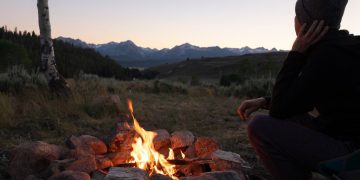
- Fire/Heat — warmth, signaling, sterilization
- Food — low priority within first 72 hours
- Communication — alerting rescue or coordinating
This hierarchy applies whether you are stranded on a mountain ridge or trapped in a subway station during a blackout.
PART IV — Essential Outdoor Survival Skills (Now Relevant to City Life)
While these skills originate in wilderness training, they’ve become highly valuable in modern urban contexts.
1. Navigation Without Technology
GPS fails frequently during disasters due to:
- Battery drain
- Network overload
- Signal blockage
- System outages
1.1 Wilderness Navigation Tools
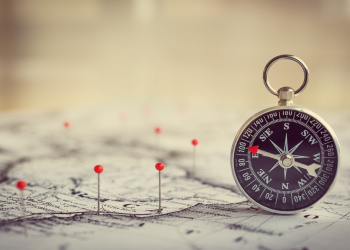
- Map and compass
- Understanding contour lines
- Natural navigation (sun, stars, moss patterns)
1.2 Urban Application
- Knowing alternate routes
- Navigating blackout conditions
- Understanding city grid layouts
- Maintaining physical maps
City navigation becomes critical during:
- Transport shutdowns
- Earthquakes
- Fire evacuations
- Flood redirection
2. Water Procurement & Purification
Clean water is scarce in wilderness AND during urban breakdowns.
1. Wilderness Techniques
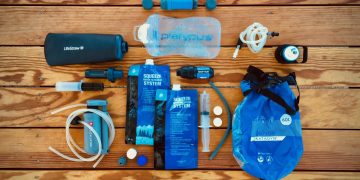
- Boiling water
- Filtering with sand/charcoal
- Using water filters
- Collecting rainwater
2. Urban Techniques
- Purifying tap water during contamination alerts
- Treating water from fire hydrants, tanks, fountains
- Using purification tablets
- Avoiding chemical contamination zones
Water becomes the biggest problem during:
- Earthquakes damaging pipelines
- Floods contaminating reservoirs
- Power outages disabling pumps
3. Shelter-Building and Temperature Regulation
3.1 Wilderness Examples
- Lean-to shelters
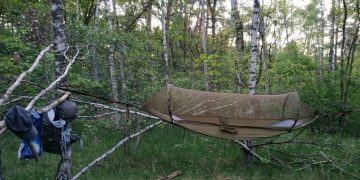
- Tarp shelters
- Debris huts
3.2 Urban Equivalents
- Insulating a room during winter blackouts
- Heat protection during heatwaves
- Identifying structurally safe indoor areas
- Choosing safe spaces after building damage
Learning to regulate body temperature in diverse environments is life-saving.
4. Fire-Making and Heat Management
4.1 Wilderness Fire Skills
- Ferro rod use
- Natural tinder
- Fire lays
4.2 Urban Heat Solutions
- Battery-operated heaters
- Chemical warmers
- Safe candle use (with ventilation)
- Emergency blankets
Urban fires spread quickly; knowing safe heating alternatives prevents disasters.
5. First Aid and Improvised Treatment
Outdoor accidents often lead to:
- Cuts
- Sprains
- Hypothermia
- Dehydration
Urban crises generate:
- Crush injuries
- Burns
- Smoke inhalation
- Panic-induced injuries
- Lacerations from debris
5.1 Universal First Aid Skills
- Bleeding control
- CPR
- Splinting
- Treating shock
- Wound sterilization
5.2 Improvised Tools
- Clothing as bandages
- Belts as tourniquets
- Sticks as splints
- Bottles as water carriers
Knowing how to treat injuries before help arrives can drastically increase survival chances.
PART V — Essential Urban Survival Skills (Now Valued by Outdoor Enthusiasts)
Urban environments contain threats not present in wilderness settings. As emergencies increasingly occur in populated areas, outdoors enthusiasts have realized the importance of urban-specific survival strategies.
1. Situational Awareness in Crowds
Wilderness dangers are external; urban dangers often come from people.
Skills Include:
- Reading crowd movement
- Identifying exits in buildings
- Avoiding choke points
- Spotting suspicious behavior
- Maintaining personal space
During evacuations, crowds behave unpredictably—understanding crowd psychology is crucial.
2. Understanding Urban Structures
Outdoors experts now study:
- Building collapse patterns
- Stairwell vs elevator safety
- Fire escape routes
- Gas line and electrical hazards
After earthquakes or explosions, knowing where to stand (and where NOT to) is crucial.
3. Dealing With Power Outages
Outdoor enthusiasts are familiar with low-light scenarios, but cities become profoundly dangerous during blackouts.
Important Skills:
- Managing battery life
- Navigating dark hallways or stairwells
- Traffic and pedestrian safety
- Safe food and water practices
- Preventing carbon monoxide poisoning
4. Evacuation Planning in Cities
Unlike wilderness evacuation (usually directional), urban evacuations are:
- Multi-layered
- Heavily trafficked
- Often vertical (stairs)
- Dependent on centralized systems
Skills required:
- Knowing multiple escape routes
- Avoiding bottlenecks
- Coordinating with groups
- Understanding public shelter systems

PART VI — Tools and Gear: What Both Groups Are Using
Preparedness gear is evolving to serve both environments. Many tools overlap between outdoor and urban kits.
1. Universal Essentials
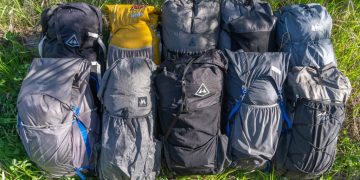
- Multi-tool
- Water filter
- First aid kit
- Headlamp
- Emergency radio
- Power bank
- Knife
- Paracord
- Thermal blanket
2. Urban-Specific Gear
- N95 masks
- Cash in small bills
- Door wedges (for security)
- Portable hardhat
- Work gloves
- ID copies
- Emergency whistle
3. Outdoor-Specific Gear
- Firestarter kit
- Tarp shelter
- Compass
- Weatherproof clothing
- Trekking poles
4. The Modern “Everyday Carry (EDC)” Trend
EDC blends wilderness gear with urban practicality.
Common items:
- Flashlight
- Mini first aid kit
- Pocket knife
- Compact multitool
- USB charging cable
- Bandana
- Emergency contact card
EDC has become a survival subculture embraced by both hikers and office workers.
PART VII — How People Are Sharing Knowledge Across Communities
Outdoor experts and urban citizens are increasingly exchanging skills:
- Outdoor forums discuss urban blackout survival.
- City residents learn basic bushcraft and first aid.
- Survival instructors teach cross-disciplinary methods.
- Social media spreads preparedness tips daily.
The convergence of knowledge is creating a new generation of hybrid survivalists who are capable in both wilderness and city environments.
PART VIII — Psychological Survival: The Most Overlooked Skill
Physical tools matter—but mental resilience is the true survival determinant.
1. Stress Response During Crises
Humans experience:
- Tunnel vision
- Cognitive overload
- Motor skill impairment
- Emotional paralysis
Training reduces these effects.
2. Building Mental Toughness
Techniques include:
- Controlled breathing
- Scenario visualization
- Knowledge repetition
- Physical fitness
- Practicing calm decision-making
3. Social Survival
Urban disasters require cooperation:
- Sharing resources
- Coordinating with neighbors
- Supporting vulnerable groups
Outdoor survival often emphasizes self-reliance; urban survival requires collective resilience.
PART IX — Practical Survival Scenarios & How Each Group Approaches Them
This section explores real-world emergencies and compares strategies between outdoor and urban survivalists.
1. Earthquakes
Outdoor Response:
Move away from rockfalls, find open ground.
Urban Response:
Drop, cover, hold on → evacuate once safe.
2. Flash Floods
Outdoor Response:
Move to high ground, avoid riverbeds.
Urban Response:
Avoid underground spaces, drive to higher ground, avoid sewer systems.
3. Wildfires
Outdoor Response:
Wind-side escape, avoid ridge tops, use fire shelters if available.
Urban Response:
Close windows, seal ventilation, monitor evacuation alerts.
4. Blackouts
Outdoor Response:
Not typically dangerous—outdoors are naturally “off-grid”.
Urban Response:
High risk: crime, traffic chaos, water contamination, building hazards.
5. Chemical Spills
Outdoor Response:
Rare; wind direction awareness is key.
Urban Response:
Shelter-in-place, sealing rooms, avoiding exposure routes.
PART X — Building a Personal Survival System
A survival system includes:
- Knowledge
- Skills
- Tools
- Social networks
- A preparedness mindset
1. Your “Survival Baseline” Checklist
1.1 Skills
- First aid
- Map reading
- Situational awareness
- Emergency communication
- Fire management
1.2 Supplies
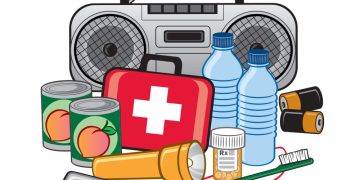
- 72-hour emergency kit
- Water supply
- Medical essentials
- Tools
1.3 Mental Preparedness
- Scenario training
- Stress management
Conclusion
Outdoor adventurers and city dwellers may live in completely different environments, but they are increasingly united by a common question: “How do I survive sudden emergencies?” Their conversations—once separate—have now merged into a shared movement toward resilience and practical preparedness.
Today’s world demands a hybrid approach. The wilderness teaches self-reliance, fundamental survival priorities, and how to function when systems fail. The city teaches risk assessment, resource management, and crowd-based situational awareness. Together, these skills create a robust, adaptable survival mindset suitable for any crisis, in any environment.