









Introduction
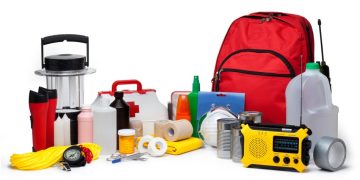
In a world marked by unpredictable natural disasters, technological disruptions, public health crises, and everyday accidents, the concept of preparedness has evolved from a niche interest into a personal responsibility. A Personal Emergency Kit—often referred to as a “Go Bag,” “72-Hour Bag,” or “Emergency Preparedness Pack”—is a curated, ready-to-grab collection of essential items designed to sustain life, support physical and mental well-being, and enhance safety during the critical hours or days following an emergency.
This article provides an in-depth, professionally structured exploration of how to design, assemble, and maintain a highly effective Personal Emergency Kit. Whether you are preparing for earthquakes, typhoons, power outages, epidemics, accidents, or unexpected evacuations, this comprehensive guide aims to equip you with the knowledge to build a kit that is efficient, compact, and tailored to real-world scenarios.
1. Understanding the Purpose of a Personal Emergency Kit
A Personal Emergency Kit is fundamentally about resilience. Its purpose is not only to ensure survival, but to maintain a functional quality of life when infrastructure and support systems fail.
1.1 Key Objectives
- Sustainability: Provide water, food, and warmth until help arrives.
- Safety: Facilitate navigation, shelter, self-protection, and injury management.
- Communication: Ensure access to critical information and the ability to request help.
- Mobility: Support the ability to evacuate quickly and efficiently.
- Autonomy: Minimize dependence on external aid during crisis situations.
1.2 Time Scales of Preparedness
Most emergency management agencies recommend preparing for at least 72 hours, though highly resilient kits support 5–7 days of self-sufficiency. The kit in this guide focuses on the 72-hour baseline but offers modular upgrades.
2. Core Principles of Building a Personal Emergency Kit
Before discussing specific items, it is essential to understand the principles that govern an efficient emergency kit.
2.1 Portability
Your emergency kit should be:
- Lightweight enough to carry for long distances
- Compact, avoiding unnecessary bulk
- Designed for rapid deployment
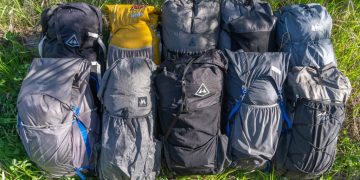
A backpack between 20–40 liters generally suits most individuals.
2.2 Redundancy
Double up only on items that are mission-critical, such as:
- Water purification tools
- Fire-starting implements
- Communication devices
- Flashlights or light sources
2.3 Durability
Equipment should be:
- Weather-resistant
- Shock-proof
- Reliable under extreme temperatures
2.4 Modularity
Organize your kit into categories:
- Hydration
- Nutrition
- Shelter
- Medical
- Tools
- Communication
- Documentation
This allows easier customization and replacement.
3. Detailed Breakdown of Emergency Kit Components
Below is a deeply comprehensive list of items with explanations of why they matter and how to evaluate their quality.
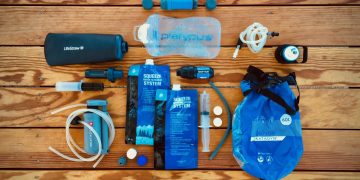
3.1 Water & Hydration
Water is the most non-negotiable resource. Humans can only survive a few days without it.
3.1.1 Recommended Items
- 1.5–3 liters of stored drinking water
- Portable water filter (e.g., hollow-fiber membrane straw or pump filter)
- Water purification tablets (chlorine dioxide recommended)
- Collapsible water container (1–2 liters)
3.1.2 Why These Items Matter
- Stored water covers immediate needs.
- Filters and tablets provide ongoing hydration in case of prolonged crises.
- Collapsible containers save space and weigh almost nothing.
3.1.3 Tips
- Replace bottled water every 6 months.
- Avoid fragile plastic; choose BPA-free or aluminum bottles.
3.2 Food & Nutrition
Emergency food should be calorie-dense, stable, and water-efficient.
3.2.1 Recommended Items
- High-calorie energy bars
- Vacuum-sealed nuts and dried fruits
- Ready-to-eat meals (MREs)
- Electrolyte powder packets
- Portable metal cup or mess tin
3.2.2 Why These Items Matter
- Energy bars deliver sustained energy with minimal preparation.
- MREs are designed to survive rough handling and long storage periods.
- Electrolytes prevent dehydration and muscle fatigue.
3.2.3 Nutrition Rules
- Aim for 2000–2500 calories/day.
- No items requiring long cooking or extensive water.
3.3 Shelter, Clothing & Warmth
Extreme temperatures can be just as dangerous as the crisis itself.
3.3.1 Recommended Items
- Emergency thermal blanket (space blanket)
- Lightweight tarp or compact tent
- Extra socks and underwear
- Waterproof and windproof jacket
- Foldable sleeping bag or liner
3.3.2 Special Considerations
- Choose merino wool or moisture-wicking materials for clothing.
- A tarp provides shelter, rain protection, and ground insulation.
3.3.3 Why It Matters
Most disaster-related injuries come from exposure. Maintaining core temperature is essential for survival.
3.4 Medical & First Aid
A robust first aid kit can prevent minor injuries from turning into critical issues.
3.4.1 Essentials
- Adhesive bandages
- Sterile gauze pads & medical tape
- Antiseptic wipes or iodine
- Elastic bandage
- Tweezers & small scissors
- Pain relievers (acetaminophen/ibuprofen)
- Burn gel packets
- Antihistamines
3.4.2 Advanced Additions
- Tourniquet (CAT or SOFT-T)
- Hemostatic gauze
- CPR mask
- Trauma shears
3.4.3 Personal Medication
Always include:
- Prescription medications (3–7 day supply)
- Medical documentation
- Allergy alerts
3.5 Tools & Utility Gear
This category transforms your kit from a passive supply bag into an adaptable survival system.
3.5.1 Recommended Tools
- Multi-tool with pliers, knife, screwdrivers
- Fixed-blade knife (more durable than folding knives)
- Firestarter:
- Waterproof matches
- Ferrocerium rod
- Lighter
- Duct tape or repair tape
- Paracord (10–20 meters)
- Compact pry bar
- Work gloves
3.5.2 Why These Tools Matter
- A multi-tool replaces a full toolbox.
- A knife is essential for food, shelter, and emergency repairs.
- Fire enables warmth, cooking, signaling, and sterilization.
- Paracord is multifunctional: shelter building, repairs, first aid.
3.6 Lighting & Power
Light is critical for navigation, safety, and psychological comfort.
3.6.1 Essential Items
- LED flashlight (preferably waterproof)
- Headlamp (hands-free utility)
- Extra batteries
- Portable power bank
- Solar or crank charger
3.6.2 Why Lighting Matters
Emergencies often strike when power grids fail. Light prevents accidents and improves decision-making.
3.7 Communication & Information
Staying informed and reachable can dramatically affect outcomes.
3.7.1 Recommended Items
- Emergency radio (NOAA / hand-crank / solar)
- Whistle
- Phone power bank
- Pre-listed emergency contact card
3.7.2 Advanced Options
- Satellite communicator
- Walkie-talkies
3.7.3 Why Communication Equipment Matters
During disasters, mobile networks often fail. Radios and whistles ensure coordination and rescue signaling.
3.8 Hygiene & Sanitation
Sanitation becomes a critical health factor during emergencies.
3.8.1 Essential Items
- Travel-sized soap and sanitizer
- Wet wipes
- Toothbrush and toothpaste
- Menstrual hygiene products
- Compact towel
- Trash bags (multi-use)
3.8.2 Why Hygiene Matters
Poor sanitation can lead to infections, disease outbreaks, and discomfort.
3.9 Documentation & Personal Information
Paperwork can be as important as physical supplies.
3.9.1 Recommended Items
- Photocopies of identification
- Insurance documents
- Medical records
- Emergency contact list
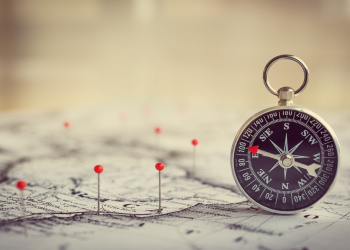
- Local maps (printed)
3.9.2 Storage Tips
- Place documents in waterproof bags or laminated covers.
3.10 Self-Defense and Security Considerations
Your safety may depend on your ability to deter threats.
Non-weapon Options (recommended)
- Whistle
- Flashlight
- Personal alarm
- Pepper spray (legal depending on region)
Situational Awareness Training
Tools are only as effective as the user’s mindset. Learn:
- Escape routes
- Evacuation protocols
- Conflict avoidance
4. Specialized Emergency Kits: Tailored for Different Conditions
Not all emergencies are alike. Below are curated kit variations.
4.1 Earthquake Kit
Focus on:
- Sturdy gloves
- Dust masks / N95 respirators
- Pry bar
- Extra water
- Eye protection
4.2 Flood / Heavy Rain Kit
Include:
- Waterproof dry bags
- Life whistle
- Water shoes
- Chlorine dioxide tablets (must-have)
4.3 Winter / Cold-Weather Kit
Essential:
- Thermal clothing
- Fire-starting redundancy
- Hand warmers
- Insulated water bottle
4.4 Urban Evacuation Kit
Special items:
- Cash in small denominations
- Multi-tool and compact pry bar
- Transit maps
- USB drive with digital copies of documents
4.5 Medical Emergency Kit
Enhancements:
- Larger trauma supplies
- Automated external defibrillator (AED) if feasible
- Expanded wound care supplies
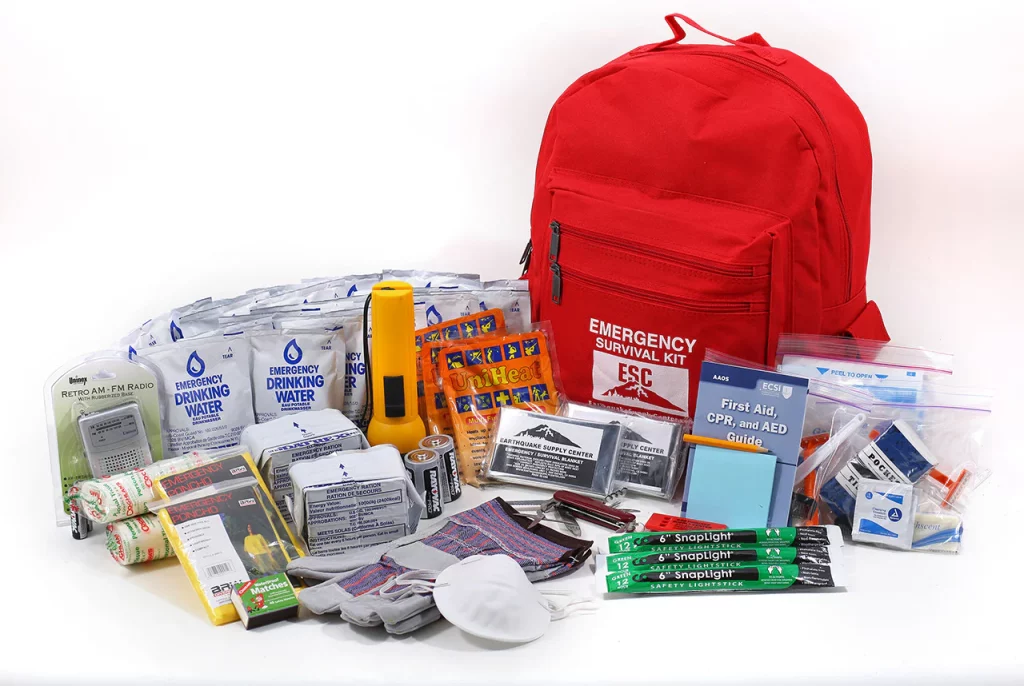
5. Bag Selection: How to Choose the Perfect Emergency Backpack
Selecting the right bag ensures comfort and mobility.
5.1 Key Features
- Ergonomic straps
- Padded back panel
- Weather-resistant fabric
- Multiple compartments
- MOLLE webbing for expansion
- Hydration bladder compatibility
5.2 Capacity
- 20–30L: Lightweight, minimalistic
- 30–40L: Balanced capacity for most adults
- 40L+: Expedition-level or multi-person kits
6. Packing Strategy: Efficiency and Accessibility
6.1 Weight Distribution
Heavy items close to your spine:
- Water
- Tools
- Radio
Medium items in the middle:
- Clothing
- Food
Light items at the top:
- First aid kit
- Maps
- Whistle
6.2 Quick-Access Pockets
Always place these where reachable:
- Knife
- Flashlight
- Whistle
- Phone
- First aid essentials
7. Maintenance and Rotation Schedule
7.1 Monthly Check
- Battery levels
- Medication expiration
7.2 Quarterly Check
- Water and food replacement
- Weather-appropriate clothing adjustments
7.3 Annual Check
- Full inventory audit
- Functional testing of electronics
- Replace worn equipment
8. Emergency Mindset and Training
8.1 Skills are as important as tools
- Basic first aid
- Fire-starting
- Navigation without GPS
- Situational awareness
- Threat recognition
8.2 Psychological Preparedness
In crisis situations:
- Stay calm
- Follow practiced procedures
- Use communication tools responsibly
Conclusion
A Personal Emergency Kit is far more than a bag of random supplies—it is a strategic, organized system designed to protect life, ensure resilience, and empower you during critical moments when external support is delayed or unavailable. With thoughtful planning, high-quality components, and regular maintenance, your kit becomes a reliable companion that stands between vulnerability and preparedness.
Whether your concerns revolve around natural disasters, accidents, power failures, or unpredictable events, the principles outlined in this guide provide a foundation for building a kit that is comprehensive, durable, and adaptable to any circumstance. Preparedness is not fear—it is responsibility. And a well-built emergency kit is the first step toward that responsibility.