










Introduction
The Trans-Siberian Railway, often hailed as one of the greatest train journeys in the world, stretches over 9,000 kilometers (5,500 miles), making it the longest continuous rail line on Earth. Spanning the breadth of Russia from Moscow in the west to Vladivostok on the Pacific Ocean in the east, the railway weaves through the heart of Siberia, offering travelers an unparalleled window into the world’s largest country. The journey connects diverse landscapes, cultures, and histories, crossing eight time zones and offering views of Russia’s vast, varied terrain—from dense forests and snow-capped mountains to endless plains and remote villages.
This iconic railway, which has played an essential role in Russia’s development since its completion in the early 20th century, is not only a remarkable feat of engineering but also a symbol of the cultural, political, and economic connections that bind Russia together. Today, it attracts adventurers, history enthusiasts, nature lovers, and those seeking a unique travel experience.
In this article, we will explore the history, routes, cultural significance, and modern-day relevance of the Trans-Siberian Railway, as well as its role in shaping the identity of Russia and its people. We will also discuss practical information for travelers who wish to embark on this unforgettable journey.
The Birth of the Trans-Siberian Railway
The story of the Trans-Siberian Railway begins in the late 19th century when the Russian Empire sought to consolidate its vast territories and establish stronger economic and political links across its remote regions. Prior to the railway, communication and transport were slow, difficult, and costly. Travel across the vast distances of Siberia was almost impossible, with the Ural Mountains and Siberian wilderness presenting formidable obstacles to both trade and military movements.
The Imperial Vision: Connecting East and West
The idea of a rail line across Russia was first proposed in the 1850s, but it wasn’t until 1891 that the project gained momentum under the guidance of Tsar Alexander III. The ambitious vision was to connect Moscow with the Far East, linking the European and Asian parts of the Russian Empire. The goal was to facilitate the movement of goods and people, boost trade, and secure Russia’s strategic interests in the East.
The railway project was monumental not only because of its vast length but also due to the extreme geographical and environmental challenges it posed. Construction crews faced some of the most inhospitable terrain on Earth—spanning permafrost, dense forests, and vast, uncharted wildernesses.
Challenges and Achievements
The construction of the Trans-Siberian Railway was a massive logistical undertaking. It required building bridges, tunnels, and embankments across diverse landscapes, often under harsh conditions. Workers toiled through freezing winters and faced the danger of wild animals, disease, and accidents. Despite these challenges, the railway was completed in sections over several years, with the final link completed in 1916, under the rule of Tsar Nicholas II.
The Trans-Siberian Railway transformed Russia’s economic landscape. It enabled the export of Siberian resources, such as timber, coal, oil, and wheat, to European markets and allowed for easier access to the Russian Far East. Moreover, it facilitated the movement of people from Russia’s European heartland to its remote eastern territories, contributing to the expansion and development of cities like Irkutsk, Vladivostok, and Khabarovsk.
Routes and Routes Variations
The Trans-Siberian Railway consists of several routes that allow travelers to experience different parts of Russia, each offering unique landscapes and cultural experiences. The primary route connects Moscow to Vladivostok, but there are several variations that pass through key cities and regions.
The Classic Trans-Siberian Route
The most famous and iconic route runs from Moscow to Vladivostok. The journey takes passengers across Russia’s heartland, through Siberia, and ultimately to the Pacific coast. This route, often referred to as the Trans-Siberian Express, spans 9,289 kilometers (5,772 miles) and takes around 7 days to complete non-stop. However, most travelers choose to break up the journey, stopping to explore Russia’s cities and landscapes.
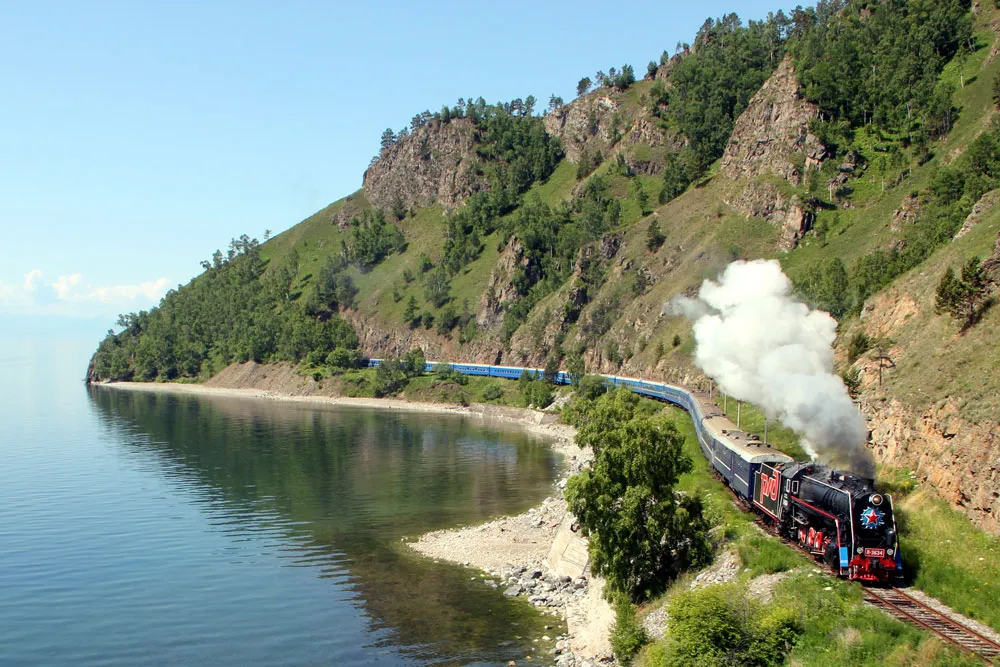
Along the way, passengers experience diverse landscapes, from the Ural Mountains in the west to the remote wilderness of Siberia, eventually reaching the coastal city of Vladivostok. The journey offers views of Lake Baikal, the largest freshwater lake in the world, and takes passengers through forests, mountains, and endless plains.
The Trans-Mongolian Route
An alternative to the classic Trans-Siberian route is the Trans-Mongolian Railway, which detours south through Mongolia before rejoining the main line in China. This variation offers travelers the unique opportunity to explore Ulaanbaatar, Mongolia’s capital, and to experience the beauty of the Gobi Desert and the nomadic culture of the Mongol people. From Mongolia, the train continues to Beijing, offering travelers a chance to explore China’s rich history and culture.
The Trans-Manchurian Route
The Trans-Manchurian Railway is another variant, which bypasses Mongolia and travels directly from Moscow to Beijing, passing through Manchuria in northeast China. This route is slightly less traveled than the Trans-Mongolian but offers an equally fascinating cultural experience, with glimpses into both Russian and Chinese landscapes and history.
The Trans-Siberian Experience: A Journey of Discovery
Traveling on the Trans-Siberian Railway is more than just a way to get from one place to another; it is an adventure in itself. The experience of crossing Siberia, with its vast and largely untouched landscapes, is unlike anything else in the world. Whether you are traveling for leisure, adventure, or cultural exploration, the train journey offers a unique perspective on Russia and its people.
Luxury and Comfort on the Train
Modern-day travelers have access to comfortable and well-equipped train cars, with private cabins, restaurant cars, and panoramic windows that provide excellent views of the passing landscapes. Many trains now offer luxury services, including five-star accommodations, gourmet dining, and personalized tours. While the journey can be long, the comfort and luxury of today’s Trans-Siberian trains ensure that passengers are able to enjoy the experience in style.
Cultural Immersion
One of the most rewarding aspects of traveling on the Trans-Siberian Railway is the opportunity to immerse oneself in Russian culture and history. The railway passes through many major cities and historic landmarks, including:
- Moscow: Russia’s capital, rich in history, culture, and iconic landmarks like the Kremlin, Red Square, and St. Basil’s Cathedral.
- Yekaterinburg: Known for its role in Russian history, particularly during the Russian Revolution, this city is the site of the execution of Tsar Nicholas II and his family.
- Omsk: A historic city in southern Siberia with a significant cultural heritage.
- Irkutsk: A key stop near Lake Baikal, often called the “Paris of Siberia,” with its charming architecture and access to one of the world’s largest freshwater lakes.
- Vladivostok: The endpoint of the Trans-Siberian journey, offering stunning views of the Pacific Ocean and a significant naval port city.
In addition to these cities, the journey offers passengers a chance to interact with locals, learn about traditional Russian customs, and explore the vast cultural diversity of Siberia. Travelers can experience the nomadic Buryat people near Lake Baikal or learn about the history of Russian Orthodox Christianity and Siberian traditions.
Lake Baikal: A Highlight of the Journey
One of the most captivating stops on the Trans-Siberian Railway is Lake Baikal, located in southern Siberia. Known as the world’s oldest and deepest freshwater lake, it is often referred to as the “Pearl of Siberia.” Lake Baikal is a UNESCO World Heritage Site and home to unique wildlife, including the Baikal seal and various endemic species of fish.
The lake also holds deep cultural significance, particularly for the indigenous Buryat people, who have lived around its shores for centuries. Travelers on the Trans-Siberian Railway often stop at Irkutsk, a gateway city to Lake Baikal, to explore its stunning natural beauty, go hiking, or take boat trips on the lake.
The Economic and Strategic Significance of the Trans-Siberian Railway
Beyond its tourist appeal, the Trans-Siberian Railway continues to be a vital part of Russia’s economy and infrastructure. It is an essential transport route for moving goods, particularly raw materials from Siberia’s natural resources, such as oil, gas, timber, and minerals, to the rest of Russia and international markets.
The railway is also strategically significant for Russia, offering a vital land-based link between the European and Pacific parts of the country. It serves as a key part of Russia’s geopolitical strategy, connecting major cities and military bases across its vast territory.
Conclusion: An Unforgettable Journey
The Trans-Siberian Railway remains one of the world’s most awe-inspiring and unforgettable travel experiences. Whether you are interested in history, culture, or simply the breathtaking landscapes of Siberia, this legendary train journey offers a once-in-a-lifetime adventure.
As travelers traverse the vast distances between Moscow and Vladivostok, they experience more than just the sights and sounds of Russia. They embark on a journey through the heart of a continent, a journey that connects them with the people, history, and natural wonders of this fascinating land.
For those seeking an adventure that is equal parts luxury, exploration, and discovery, the Trans-Siberian Railway offers a unique and profound way to experience the soul of Russia.