







Introduction
Africa, the world’s second-largest and second-most populous continent, is a land of extraordinary diversity. From the snow-capped peaks of Mount Kilimanjaro to the vast, arid expanse of the Sahara Desert, and the lush rainforests of the Congo Basin, Africa is a continent that has long captivated travelers, explorers, and adventurers. A transcontinental journey across Africa—whether by land, rail, or air—is an unparalleled adventure that offers an intimate and unique perspective on the geography, culture, wildlife, and history of this incredible land.
In this article, we explore the Great African Cross-Country Journey, a route that spans the length and breadth of Africa, taking travelers on an unforgettable trip through some of the continent’s most iconic and remote regions. We will delve into the practicalities of such a journey, explore the stunning landscapes, and understand the deep cultural and historical significance of crossing Africa from the Cairo in the north to Cape Town in the south, or from the Atlantic coast to the Indian Ocean.
Africa’s Geographical and Cultural Diversity
Before embarking on a journey across Africa, it’s important to understand the continent’s vast geographical and cultural diversity. Spanning over 30 million square kilometers (11.7 million square miles), Africa is home to over 1.2 billion people representing more than 3,000 ethnic groups and 2,000 languages. The continent’s natural features are equally diverse, with deserts, tropical forests, savannas, and coastlines that vary greatly depending on where you are.
From the Mediterranean to the Tropics
The northernmost part of Africa, with its proximity to the Mediterranean Sea, has a rich cultural history influenced by Arab, Berber, and Mediterranean traditions. In contrast, much of sub-Saharan Africa is a land of tropical forests, savannas, and deserts. In terms of climate, Africa encompasses some of the world’s most extreme environments. The Sahara Desert, the largest hot desert on Earth, spans much of North Africa, while the Congo Basin in Central Africa represents one of the world’s largest and most biodiverse rainforests.
Africa’s cultural diversity mirrors its geographical contrasts. The continent is home to ancient civilizations, such as Egypt in the north, the Mali Empire in the west, and Great Zimbabwe in the south. Today, Africa continues to thrive with diverse cultural traditions, vibrant cities, and dynamic economies.
Planning the Ultimate Cross-Country African Journey
A cross-country journey across Africa is no small feat. It requires careful planning, a well-thought-out route, and an understanding of the challenges travelers will face along the way. While adventurous and deeply rewarding, the journey can take many months and cross through diverse political, logistical, and environmental conditions.
Starting Points: Cairo and Cape Town
Two of the most iconic cities that serve as starting or finishing points for a cross-country African trip are Cairo, Egypt, and Cape Town, South Africa. Cairo, a sprawling metropolis, is the gateway to Africa from the Mediterranean and offers rich historical sites like the Pyramids of Giza and the Egyptian Museum. Cape Town, on the other hand, is an international hub located at the southern tip of Africa, where the Atlantic and Indian Oceans meet, and is famous for its breathtaking landscapes, including Table Mountain and the nearby Cape of Good Hope.
Transportation: Overland Travel and Infrastructure
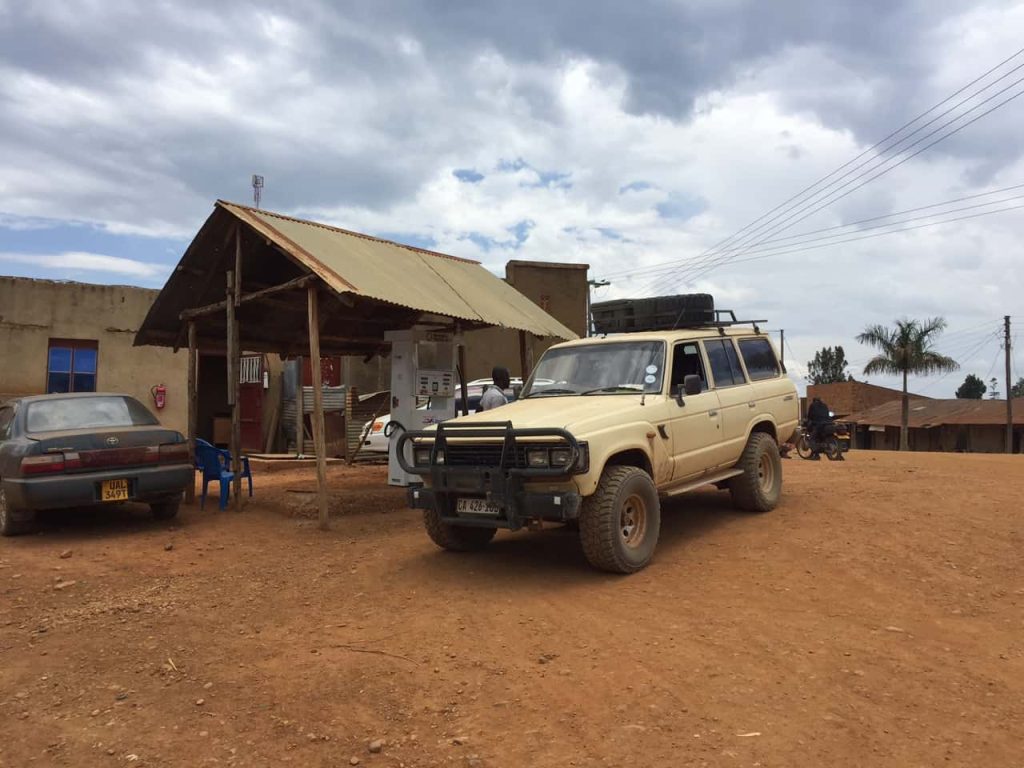
Africa’s transportation network is varied. While there are modern highways and railways in some regions, much of the continent still relies on buses, 4×4 vehicles, and trains. For a truly authentic and adventurous cross-country experience, overland travel by road is the most common and exciting method, especially on the famous Trans-African highways, which connect key cities and regions.
Some of the most notable overland routes for crossing Africa include:
- The Cairo to Cape Town Route: A classic cross-Africa journey that spans the entire length of the continent. It passes through Sudan, Ethiopia, Kenya, Tanzania, Zambia, Zimbabwe, and Botswana, before reaching South Africa.
- The Trans-Saharan Highway: For those seeking an adventure that includes a journey through the Sahara Desert, this route connects Algeria with Niamey (Niger) and passes through the heart of the desert.
- The East African Corridor: Traveling from Cairo to Mombasa or Dar es Salaam, this route takes you through some of East Africa’s most spectacular landscapes and natural wonders, including Kenya’s savannas and the serengeti plains of Tanzania.
The African Landscape: Iconic Sites Along the Way
One of the primary draws of an African cross-country journey is the stunning and diverse landscapes and natural wonders that one encounters along the way. Below are just a few of the most iconic places that will capture the hearts of those embarking on such a journey:
1. The Sahara Desert (North Africa)
The Sahara Desert, stretching across much of northern Africa, is one of the most formidable and awe-inspiring landscapes on the planet. Its endless dunes, vast sand plains, and rocky plateaus are both a challenge and a fascination for travelers. It is also home to unique ecosystems, including desert-adapted wildlife like the Fennec fox and Addax antelope.
While crossing the Sahara is difficult due to its arid nature, those who undertake the journey will be rewarded with stunning desert vistas, ancient trading towns like Timbuktu in Mali, and the chance to visit nomadic Bedouin tribes that have lived in the desert for millennia.
2. The Nile River (Egypt)
The journey from Cairo to Cape Town might begin with the exploration of one of the world’s greatest natural wonders: the Nile River. Flowing northwards through Egypt, the Nile has been the lifeblood of North Africa for thousands of years, and is the key to understanding the region’s ancient civilizations.
Travelers can explore the pyramids at Giza, the temples of Luxor, and Karnak, or take a Nile river cruise for an unforgettable view of this historic waterway.
3. Mount Kilimanjaro (Tanzania)
As travelers move southward, they may encounter one of Africa’s most iconic landmarks: Mount Kilimanjaro, the tallest mountain on the continent. Towering at 5,895 meters (19,341 feet), Kilimanjaro is a symbol of both natural beauty and challenge. For adventure seekers, it offers an incredible opportunity for trekking to the summit, where one can experience panoramic views of Tanzania’s savanna below and the surrounding wilderness.
4. The Serengeti and the Great Migration (Tanzania/Kenya)
For nature and wildlife lovers, the Serengeti National Park is a must-see. Located in northern Tanzania, it is home to one of the Seven Natural Wonders of the World: the annual Great Migration, in which over 1.5 million wildebeest, zebras, and gazelles make their way across the Serengeti and into the Maasai Mara in Kenya. This spectacle of nature is a true highlight of any African journey.
5. The Okavango Delta (Botswana)
Moving further south, travelers may venture to the Okavango Delta in Botswana, one of the world’s largest inland deltas and a UNESCO World Heritage site. This unique water system sustains a rich array of wildlife, including elephants, lions, and hippos, and is a paradise for bird watchers.
African Wildlife: A Close Encounter
For many, the wildlife of Africa is one of the most exciting aspects of the journey. From the big five (lions, elephants, buffalo, leopards, and rhinoceros) to the endangered species like gorillas in the Congo, the opportunity to encounter Africa’s unique wildlife in their natural habitats is a highlight of any cross-country adventure.
Safari experiences are integral to the African journey, and parks such as Kruger National Park in South Africa, Maasai Mara in Kenya, and Etosha National Park in Namibia offer some of the best opportunities to witness wildlife in all its glory.
Cultural Encounters: The Heart of Africa
One of the most rewarding aspects of traveling across Africa is the chance to engage with its diverse cultures. Africa is a continent rich in ethnic traditions, languages, and customs, and every region has its own unique story to tell.
- In the Sahel region, travelers can meet the Tuareg people, renowned for their expertise in desert survival and their nomadic lifestyle.
- In Ethiopia, a land of ancient Christian and Jewish communities, travelers can explore rock-hewn churches and ancient temples.
- The Zulu people of South Africa offer an opportunity to experience traditional music, dance, and tribal customs.
Throughout the journey, local markets, festivals, and rituals will provide travelers with an authentic and immersive experience.
Conclusion
Embarking on a cross-country African journey is a truly once-in-a-lifetime experience. The vastness and diversity of Africa’s landscapes, its rich historical heritage, and the opportunity to engage with the continent’s cultures and wildlife make such a journey unforgettable.
While the challenges of such an epic expedition are not to be underestimated, the rewards far outweigh them. A journey across Africa allows travelers to connect with the heart and soul of a continent that has long captured the imagination of the world. Whether you start in Cairo, pass through the Sahara Desert, explore the wilds of East Africa, or reach the southern tip in Cape Town, an African adventure is an extraordinary way to explore one of the world’s most captivating and vibrant regions.