







Introduction
The Silk Road, a network of ancient trade routes, has long been one of the most iconic and historically significant pathways in world history. Stretching from China to Europe, it facilitated not only the exchange of goods but also the movement of culture, ideas, and technologies. For centuries, it connected civilizations, enriching them with luxury goods, spices, textiles, and much more. The trade routes of the Silk Road were the lifeblood of the ancient world, uniting East and West in a web of cultural and economic exchange.
In the modern era, the concept of the Silk Road has experienced a revival, with China leading the charge through its ambitious Belt and Road Initiative (BRI). This initiative aims to reestablish and expand the trade, infrastructure, and cultural exchanges that once defined the Silk Road. The resurgence of this ancient network in the 21st century holds the promise of reshaping global trade, fostering economic cooperation, and facilitating the movement of goods, ideas, and people across borders.
This article explores the historical significance of the Silk Road, its decline over the centuries, and the modern resurgence of this trade route in the form of China’s Belt and Road Initiative. We will examine the geopolitical, economic, and cultural implications of the Silk Road’s revival, as well as the challenges and opportunities presented by this ambitious project.
The Historical Significance of the Silk Road
The Silk Road was not just a singular road, but a vast network of routes that spanned over 6,400 kilometers (about 4,000 miles), connecting the East Asian civilizations with the Middle East, Central Asia, and parts of Europe. It was used from the 2nd century BCE until the 14th century CE, when it gradually declined due to political upheaval, changing trade dynamics, and the spread of maritime routes.
Trade and Exchange
The most obvious legacy of the Silk Road is its role as a conduit for trade. It allowed for the exchange of goods between diverse civilizations. Goods such as silk, spices, precious stones, and porcelain were transported from China to the Roman Empire, while the West traded glassware, woolen textiles, and wine in return. This vibrant exchange of products contributed to the economic prosperity of regions across the network.
But the Silk Road was much more than a trade route for commodities. It facilitated the flow of knowledge, culture, religion, and technology. For example, Buddhism spread from India to China and further to Korea and Japan through the Silk Road. The transmission of paper-making and printing technologies from China to the West also had a profound impact on the development of literacy and the spread of knowledge.
Cultural and Technological Diffusion
The cultural exchanges that occurred along the Silk Road were just as significant as the trade in goods. The interaction between different cultures led to the blending of art, philosophy, and technology. Chinese silk weaving techniques influenced the art of textile-making in Persia, and Persian carpets found their way to Chinese markets. The Arab influence on architecture is also evident in many regions along the Silk Road, particularly in Central Asia, where Islamic architecture blended with local traditions.
The movement of people along the Silk Road also facilitated the transfer of ideas. Greek philosophy found its way to Central Asia, and Chinese Confucian principles were shared with Persian scholars. The Silk Road was an early platform for global communication, even though its participants did not see themselves as part of a single interconnected world.
The Decline of the Silk Road
The decline of the Silk Road was a slow process influenced by a number of factors. From the 14th century onward, the rise of maritime trade routes diminished the need for overland transportation. The Mongol invasions in the 13th century also disrupted trade routes, and the plague that swept through Europe and Asia further hampered the flow of goods and people. Additionally, the fragmentation of the Mongol Empire and the rise of centralized states in Europe, such as the Ottoman Empire and Mughal India, shifted the focus of trade toward maritime routes, which were faster and more cost-effective.
By the 16th century, the age of the Silk Road had come to an end, and European maritime powers like Portugal, Spain, and later Britain established new sea-based trade routes that bypassed Central Asia entirely. Over time, the Silk Road fell into obscurity, its once-thriving cities and caravans becoming shadows of their former selves.
The Resurgence of the Silk Road: The Belt and Road Initiative (BRI)
In 2013, Chinese President Xi Jinping announced the Belt and Road Initiative (BRI), an ambitious project designed to revive the ancient trade routes of the Silk Road. The initiative aims to enhance global trade and stimulate economic growth across Asia, Europe, and Africa by developing infrastructure, fostering international trade, and promoting cultural exchange.
The BRI is based on two key components:
- The Silk Road Economic Belt: This is a land-based route that connects China to Europe, passing through Central Asia, the Middle East, and Russia. It aims to revive the traditional overland trade routes of the ancient Silk Road.
- The 21st Century Maritime Silk Road: This component focuses on developing sea routes connecting China to Southeast Asia, South Asia, Africa, and Europe, establishing new shipping lanes and port facilities that mirror the maritime routes of the ancient Silk Road.
Together, these two initiatives represent a modern-day revival of the Silk Road, with a focus on improving connectivity, enhancing trade, and fostering international collaboration.
Infrastructure Development
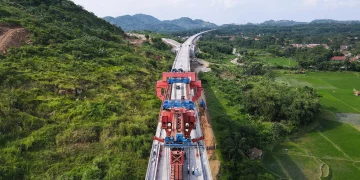
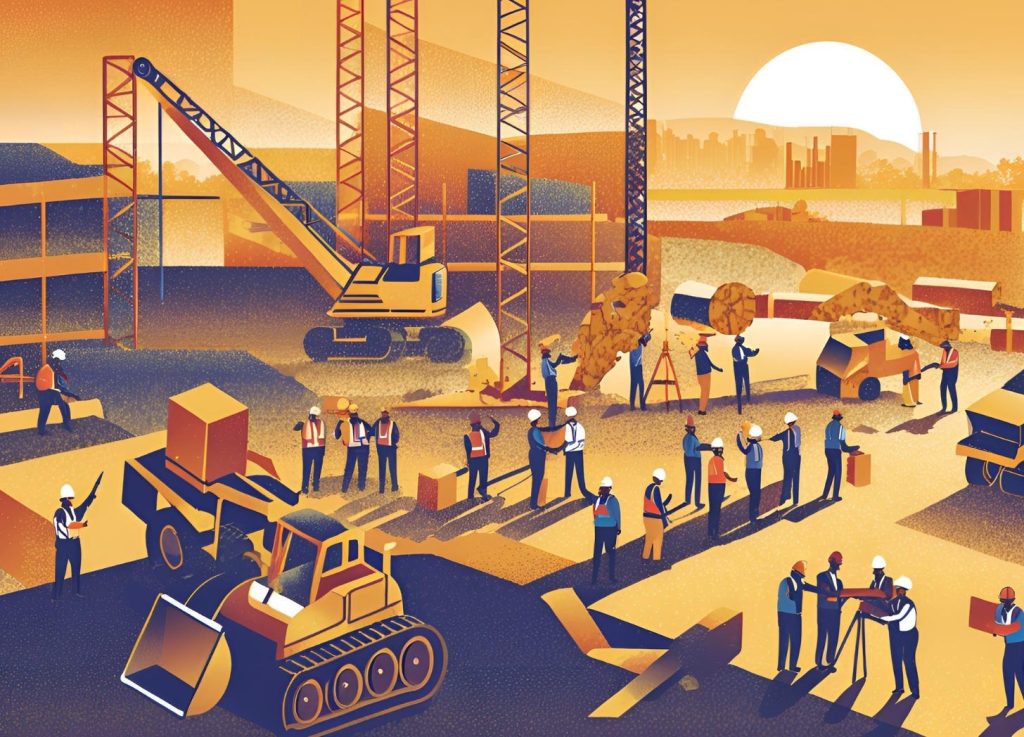
At the heart of the BRI is the development of critical infrastructure, including railways, highways, ports, and airports. By improving transportation networks across Asia and beyond, China aims to facilitate smoother trade and reduce transportation costs for businesses operating along the route. One of the most notable projects is the China-Europe Railway Express, which has reduced the transit time between China and Europe from over 30 days by sea to just around 15 days by rail.
In addition to transport infrastructure, the BRI also focuses on the development of energy infrastructure, such as oil and gas pipelines and renewable energy projects, as well as digital infrastructure like fiber-optic networks and telecommunications.
Economic Integration
The Belt and Road Initiative aims to create an integrated economic zone, enhancing the flow of goods, services, and capital across participating countries. By promoting trade and investment, China seeks to increase its influence over the global economy while providing development opportunities for countries involved in the project.
The BRI has the potential to foster greater economic cooperation, especially in Central Asia, which has long been a landlocked region. The construction of new trade routes and logistical hubs can open up access to global markets for countries in this region, facilitating their economic development.
Geopolitical Implications
The BRI is not just an economic initiative; it also has significant geopolitical implications. It is widely viewed as part of China’s broader strategy to assert its influence in global affairs. By investing heavily in infrastructure and development projects, China is building closer ties with countries across Asia, Europe, and Africa, thereby expanding its sphere of influence.
However, the BRI has faced criticism and concerns from various quarters. Some countries, particularly the United States and members of the European Union, have expressed concerns over the potential for China to exert political influence through its investments. Critics argue that some countries may fall into debt traps, unable to repay Chinese loans, which could result in Chinese control over key infrastructure assets.
Moreover, there are concerns about the environmental impact of some BRI projects, particularly those involving large-scale infrastructure development. Environmental organizations have raised alarms over the potential destruction of ecosystems and wildlife habitats, as well as the long-term sustainability of some infrastructure projects.
Cultural and People-to-People Exchanges
Beyond the economic and infrastructure components, the BRI also seeks to foster cultural and people-to-people exchanges. One of the most enduring legacies of the ancient Silk Road was the interaction between different cultures and the exchange of ideas, art, and knowledge. The modern Silk Road seeks to continue this tradition by promoting educational exchanges, tourism, and collaborative cultural projects.
Educational Initiatives
China has established a number of scholarships and exchange programs under the BRI to facilitate educational exchanges between countries along the route. These initiatives aim to deepen understanding and cooperation between China and other nations by providing students and professionals with opportunities to study abroad and gain experience in diverse fields.
Tourism and Heritage Preservation
The BRI is also designed to boost tourism along the ancient Silk Road, encouraging travelers to visit historical sites, ancient cities, and cultural landmarks. By promoting tourism, the initiative aims to generate economic benefits for local communities and preserve the rich cultural heritage that was once shared along the Silk Road.
Language and Media Exchanges
In addition to traditional cultural exchanges, the BRI emphasizes the use of media and language to promote mutual understanding. Chinese language programs and media outlets are expanding in countries along the Belt and Road, helping to foster greater cross-cultural communication and dialogue.
Challenges and Opportunities
The Belt and Road Initiative, while ambitious, faces numerous challenges. These include political tensions, financial risks, and logistical hurdles. Additionally, the impact of the COVID-19 pandemic has delayed several key projects and further complicated the global economic landscape.
Despite these challenges, the BRI also presents significant opportunities. If successfully implemented, it could transform global trade, stimulate economic growth, and foster deeper international cooperation. The modern Silk Road has the potential to open up new markets, reduce poverty, and increase connectivity between some of the world’s most dynamic regions.
Conclusion
The resurgence of the Silk Road through China’s Belt and Road Initiative represents a bold attempt to revive an ancient network of trade, culture, and diplomacy in a modern context. The BRI offers the promise of renewed economic cooperation, infrastructure development, and cultural exchange across Asia, Europe, and Africa. While challenges remain, the modern Silk Road has the potential to shape the future of global trade, geopolitics, and international relations.
As nations continue to build on the legacy of the Silk Road, it is essential to balance economic development with environmental sustainability, respect for sovereignty, and cultural preservation. The revival of the Silk Road is not just about trade; it is about re-establishing the human connections and shared history that once linked East and West. If successful, the BRI will not only reconnect continents but also lay the foundation for a more interconnected and cooperative global community.