









Introduction: The Resurgence of Bushcraft
In recent years, the ancient art of bushcraft—the mastery of wilderness survival and self-sufficiency—has experienced a remarkable resurgence. Once considered a niche skillset reserved for trappers, explorers, and indigenous communities, bushcraft has now captured the imagination of modern adventurers, outdoor enthusiasts, and even urban dwellers seeking connection with nature.
At its core, bushcraft is about living in harmony with the natural world, using observation, skill, and resourcefulness rather than relying on modern conveniences. This revival reflects not only a desire for practical survival skills but also a broader cultural shift towards mindfulness, self-reliance, and ecological awareness.
This article explores the history, principles, tools, techniques, training, cultural significance, and modern applications of bushcraft, highlighting why these skills are experiencing a renaissance across the globe.
1. The Origins of Bushcraft
Bushcraft has deep historical and cultural roots:
1.1 Indigenous Knowledge and Traditions
Indigenous peoples around the world developed sophisticated survival skills based on intimate knowledge of their local environments. These included:
- Firecraft and controlled burns for landscape management
- Shelter construction from natural materials
- Foraging for edible plants and medicinal herbs
- Hunting, trapping, and fishing techniques
Their survival strategies were adapted to specific ecosystems, reflecting a nuanced understanding of flora, fauna, and seasonal cycles.
1.2 Early Explorers and Frontiersmen
European explorers, North American trappers, and Asian frontiersmen relied on bushcraft to traverse uncharted territories. Mastery of fire, water procurement, and tool-making allowed these individuals to survive in remote regions without modern conveniences.
1.3 Philosophical Foundations
Beyond survival, bushcraft embodies a philosophy of observation, patience, and respect for nature. It is about learning from the environment, adapting to its rhythms, and cultivating a deep sense of self-reliance.
2. The Modern Revival of Bushcraft
Several factors have contributed to the resurgence of bushcraft in contemporary society:
2.1 Desire for Self-Reliance and Skill Mastery
Modern lifestyles often rely heavily on technology, leaving many people disconnected from natural processes. Bushcraft offers a tangible, hands-on approach to self-reliance, allowing individuals to cultivate skills that were once essential for survival.
2.2 Media Influence and Outdoor Culture
The popularity of bushcraft has been amplified through:
- YouTube channels demonstrating primitive skills
- Documentaries exploring survival techniques
- Books and blogs dedicated to outdoor living
These media outlets provide both instruction and inspiration, making bushcraft accessible to a global audience.
2.3 Environmental Awareness and Minimalism
Bushcraft aligns with modern environmental values:
- Encourages sustainable interaction with ecosystems
- Promotes the use of natural materials rather than synthetic products
- Supports the minimalist philosophy of using only what is necessary
The revival is thus not only practical but also ethically and ecologically conscious.
3. Core Principles of Bushcraft
Bushcraft is guided by several foundational principles:
3.1 Observation and Adaptation
A bushcraft practitioner learns to read the landscape, understanding the signs of wildlife, weather patterns, and resource availability. This allows them to make informed decisions and adapt effectively to changing conditions.
3.2 Minimalist Use of Resources
Bushcraft emphasizes maximizing utility while minimizing waste. Practitioners learn to:
- Craft tools and shelter from natural materials
- Utilize every part of harvested plants or animals
- Travel lightly and sustainably
3.3 Skill over Equipment
While modern tools can assist, true bushcraft mastery relies on knowledge and technique rather than gear. Skills such as fire-making, knot tying, tracking, and plant identification are fundamental.
3.4 Mindfulness and Respect for Nature
Bushcraft encourages ethical engagement with the environment, fostering respect for ecosystems, wildlife, and the balance of natural systems.
4. Essential Bushcraft Skills
Modern bushcraft combines ancient techniques with contemporary knowledge. Key skills include:
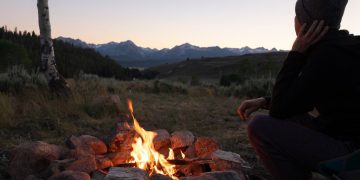
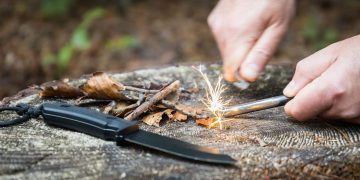
4.1 Firecraft
- Methods: friction fires (bow drill, hand drill), flint and steel, ferrocerium rods
- Applications: warmth, cooking, signaling, and insect control
- Principles: understanding tinder, kindling, and fuel management
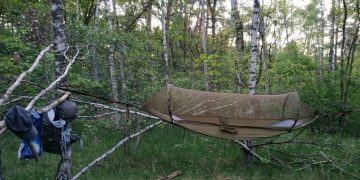
4.2 Shelter Building
- Types: debris huts, lean-tos, tarp shelters, natural structures
- Considerations: insulation, wind protection, moisture management
- Site selection: proximity to water, elevation, and natural hazards
4.3 Water Procurement and Purification
- Locating natural water sources (streams, rainwater, dew collection)
- Filtration and purification methods (boiling, solar, charcoal, sand filters)
- Understanding signs of water contamination and risk management
4.4 Food and Foraging
- Identification of edible plants, berries, nuts, and fungi
- Hunting, trapping, and fishing techniques
- Preservation methods (smoking, drying, and caching)
4.5 Tool Crafting and Maintenance
- Knives, axes, and multi-tools: selection, sharpening, and safe use
- Cordage: making ropes from natural fibers
- Improvised tools: sticks, stones, and bones for primitive applications
4.6 Navigation and Tracking
- Map reading and compass use
- Celestial navigation (sun, stars, and moon)
- Tracking animals and reading environmental signs
5. Training and Education in Modern Bushcraft
Modern practitioners often pursue formal and informal training:
- Bushcraft Schools: Offer immersive courses in wilderness survival
- Workshops and Clubs: Hands-on instruction in firecraft, shelter building, and foraging
- Online Learning: Tutorials, videos, and virtual communities for global accessibility
- Solo Practice: Short-term wilderness expeditions to refine skills and build confidence
Incremental learning ensures competence and safety while developing the mindset of a skilled outdoorsman.
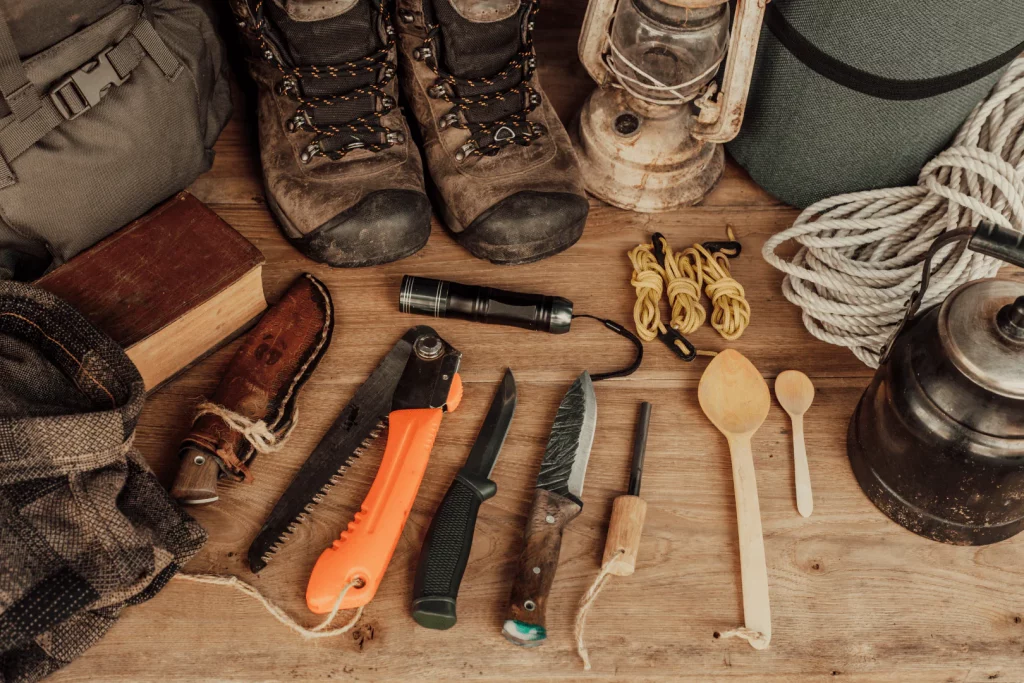
6. Bushcraft Tools and Gear in the Modern Era
While traditional bushcraft emphasizes natural materials, modern practitioners often integrate lightweight, multifunctional tools:
- Knives: fixed blade, high-carbon steel
- Axes and hatchets: for chopping and shelter construction
- Saw and folding tools: for firewood and bushcraft projects
- Lightweight cookware: titanium or stainless steel for minimal carry weight
- Cordage and paracord: durable and versatile for multiple applications
The key is balance: using technology when it enhances safety or efficiency while maintaining reliance on core skills.
7. Psychological and Philosophical Dimensions
Bushcraft practice impacts the mind as much as the body:
7.1 Mindfulness and Observation
Immersive interaction with the natural world cultivates attention, patience, and situational awareness.
7.2 Self-Reliance and Confidence
Mastering bushcraft fosters problem-solving, resilience, and personal empowerment, valuable both outdoors and in daily life.
7.3 Connection to Nature
Bushcraft encourages ethical engagement with ecosystems, fostering respect for wildlife and a sense of stewardship.
8. Bushcraft in Popular Culture and Media
Bushcraft has increasingly entered mainstream consciousness:
- Television and Streaming Shows: Featuring survival experts teaching primitive skills
- YouTube Channels: Offering tutorials, demonstrations, and expedition documentation
- Literature: Books such as Bushcraft 101 and guides by survival experts have become bestsellers
- Social Media Communities: Instagram and Reddit groups provide tips, gear reviews, and experience sharing
These media outlets both educate and inspire a new generation of bushcraft enthusiasts.
9. Practical Applications and Modern Uses
Bushcraft skills extend beyond wilderness recreation:
- Emergency Preparedness: Techniques useful in natural disasters or power outages
- Military and Rescue Operations: Core survival skills integrated into professional training
- Environmental Education: Hands-on learning for students and conservationists
- Recreational Adventure: Ultralight trekking, camping, and backcountry exploration
The versatility of bushcraft makes it relevant in multiple modern contexts.
10. Challenges and Considerations
Bushcraft is not without its challenges:
- Safety Risks: Wilderness exposure requires competence and preparedness
- Skill Dependency: Relying on skill over gear demands continuous practice
- Environmental Responsibility: Ensuring minimal impact on fragile ecosystems
- Accessibility: Urban dwellers or novices may need guided training to develop confidence
Awareness of these challenges ensures responsible and sustainable practice.
11. The Future of Bushcraft
The future of bushcraft appears promising:
- Integration with Technology: Lightweight gear, GPS, and modern materials complement traditional skills
- Global Education: Bushcraft schools and workshops are expanding worldwide
- Cultural Recognition: Increased acknowledgment of indigenous knowledge and historical practices
- Lifestyle Movement: Embracing simplicity, sustainability, and self-reliance as everyday values
Bushcraft is evolving into both a practical survival skillset and a cultural philosophy for modern life.
Conclusion: Bushcraft as a Path to Mastery and Connection
The revival of bushcraft reflects a deep-seated desire for connection, self-reliance, and practical knowledge in a world dominated by technology and convenience. By learning to observe, adapt, and utilize natural resources, modern practitioners gain not only survival skills but also mindfulness, resilience, and a profound connection to the environment.
Whether applied in emergency preparedness, recreational adventure, or environmental education, bushcraft represents a timeless practice with modern relevance. Its resurgence underscores the enduring human need to master the natural world while respecting its inherent balance.
In embracing bushcraft, individuals reclaim ancient wisdom, cultivate essential skills, and experience nature in its most authentic form, demonstrating that some traditions are not merely historical relics—they are practical guides for contemporary life and adventure.