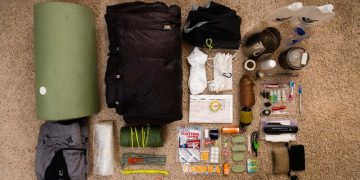










Introduction: The Rise of Minimalist Long-Distance Adventure
In recent years, a compelling trend has emerged among outdoor enthusiasts: the pursuit of long-distance hiking, trekking, and camping with as little gear as possible. This approach, often called ultralight or minimalist backpacking, has grown in popularity due to a combination of factors, including advances in lightweight equipment, the desire for increased mobility, environmental awareness, and the intrinsic appeal of self-reliance.
Minimalist long-distance adventuring is more than a strategy for reducing pack weight; it embodies a philosophy of efficiency, resilience, and mindfulness. By carrying only essential items, hikers and campers embrace a deeper connection to the natural world and challenge themselves both physically and mentally. This article explores the history, principles, gear, skills, planning strategies, psychological aspects, environmental implications, and future trends of minimalist long-distance outdoor adventure.
1. Historical Context and the Philosophy of Minimalist Trekking
The idea of reducing reliance on heavy equipment is not new. Historical precedents exist in various cultures and eras:
- Indigenous and Nomadic Practices: Many indigenous peoples traveled vast distances relying on their knowledge of the land rather than carrying supplies. Their survival depended on skill, observation, and resourcefulness.
- Early Explorers and Mountaineers: Explorers such as early Himalayan mountaineers, American frontiersmen, and Scandinavian cross-country trekkers often carried only the essentials, emphasizing skill over gear.
- Philosophical Roots: Minimalist outdoor travel emphasizes self-reliance, adaptability, and immersion in nature. It prioritizes experience over comfort and connection over convenience.
Modern ultralight and minimalist backpacking can be seen as a contemporary extension of these historical practices, combining ancient wisdom with modern innovation.
2. Why Minimalist Long-Distance Trekking Is Gaining Popularity
Several trends have fueled the rise of minimalist long-distance hiking and camping:
2.1 Technological Advances in Gear
Modern materials have revolutionized outdoor equipment:
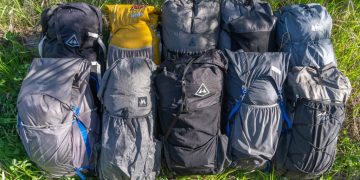
- Ultralight fabrics and tents weighing less than 1 kg
- Lightweight sleeping bags and compact insulation
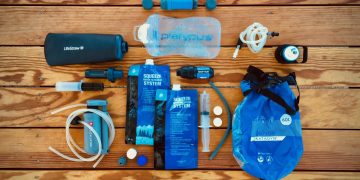
- Portable, multifunctional cooking and water filtration systems
- High-performance footwear and clothing with minimal weight
These innovations allow long-distance hikers to carry less without sacrificing safety or comfort, making ultralight adventure more accessible.
2.2 Social Media and Adventure Narratives
The rise of online platforms has helped popularize minimalist hiking:
- YouTube channels documenting ultralight thru-hikes
- Instagram accounts showcasing minimalist gear setups
- Online communities where hikers share tips, gear reviews, and adventure logs
These stories emphasize the freedom, speed, and immersion afforded by minimal equipment, inspiring a new generation of outdoor enthusiasts.
2.3 Environmental and Ethical Considerations
Minimalist long-distance trekking also aligns with environmental awareness:
- Reduced pack weight leads to less impact on trails
- Minimalist gear reduces the production and consumption of heavy equipment
- Emphasis on Leave No Trace principles and sustainable wilderness practices
This ethical dimension resonates with modern adventurers who value conservation as much as personal challenge.
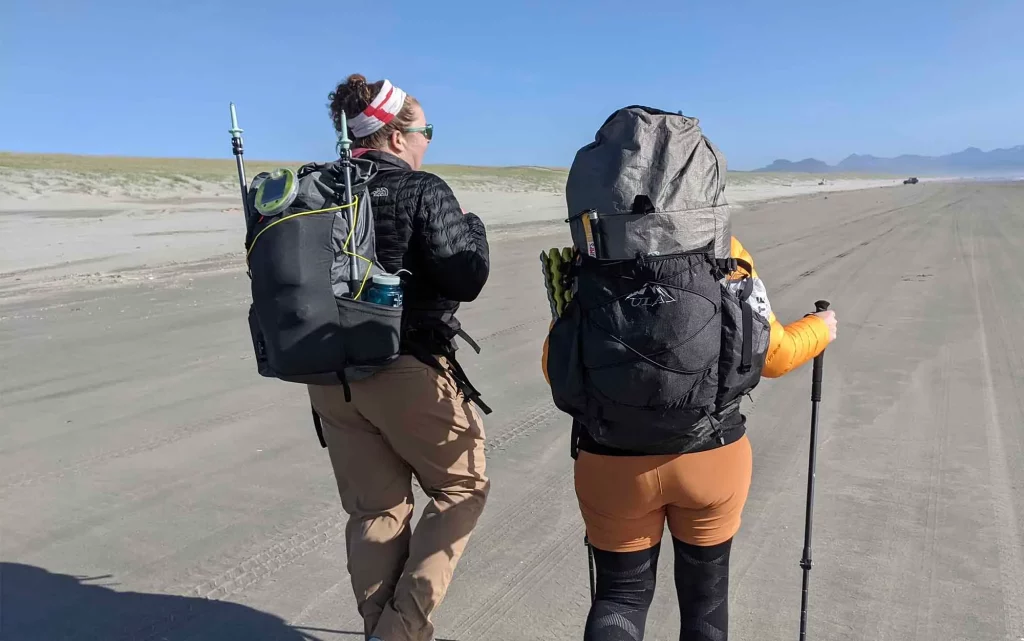
3. Core Principles of Minimalist Long-Distance Hiking and Camping
Minimalist adventuring is governed by a few fundamental principles that distinguish it from traditional hiking:
3.1 Focus on Essential Skills
Hikers practicing minimalism rely on skill rather than equipment:
- Navigation Skills: Map and compass proficiency, as well as GPS as a backup
- Fire and Shelter Craft: Ability to create temporary shelters from natural materials
- Water Procurement and Purification: Understanding local water sources, using lightweight filters, or solar sterilization
- Food Planning and Preparation: Efficiently planning meals and lightweight cooking systems
Mastery of these skills allows hikers to carry less gear while maintaining safety.
3.2 Multi-Functionality of Gear
Every item carried must serve multiple purposes:
- A trekking pole that doubles as a tent support
- Clothing layers adaptable to multiple weather conditions
- A pot used for cooking and water boiling
- Knife or multi-tool for survival, cooking, and repair
This focus on multi-use items is central to the philosophy of minimalist trekking.
3.3 Mental Resilience and Self-Reliance
Minimalist long-distance trekking emphasizes psychological strength:
- Decision-Making Under Pressure: Choosing when and how to push forward in challenging conditions
- Adaptability: Responding to unexpected weather or terrain changes
- Mindfulness: Developing a deep awareness of surroundings, gear limitations, and personal capabilities
The mental aspect of minimalism is often as challenging as the physical one.
4. Essential Gear for Minimalist Long-Distance Adventure
4.1 Shelters and Sleeping Systems
- Ultralight tents (less than 1.5 kg)
- Tarps and bivy sacks
- Hammocks with mosquito nets
- Sleeping bags or quilts with high warmth-to-weight ratios
4.2 Food and Cooking
- Freeze-dried meals and dehydrated foods
- Compact cook kits and stoves
- Lightweight water filters or UV sterilizers
- Multi-use containers for both cooking and storage
4.3 Clothing and Footwear
- Layering systems for temperature control
- Moisture-wicking, breathable fabrics
- Minimalist boots or trail shoes designed for durability and weight reduction
- Rain and wind protection in ultralight form
4.4 Navigation and Emergency Tools
- Map, compass, and backup GPS
- Emergency signaling devices (whistles, mirrors, PLB)
- Lightweight first-aid kits
- Lightweight multi-tools
This gear ensures safety without burdening the hiker, reflecting the principle of essentialism.
5. Planning a Minimalist Long-Distance Trek
Preparation is critical:
5.1 Route Selection and Terrain Analysis
- Assess trail difficulty and weather conditions
- Identify water sources and resupply points
- Plan for emergency exit routes
5.2 Nutrition and Hydration Strategy
- Caloric intake must match exertion levels
- Lightweight, nutrient-dense foods are preferred
- Carry only essential cooking tools
5.3 Physical and Mental Conditioning
- Endurance training for carrying lighter packs efficiently
- Mental preparation for isolation and unpredictability
- Practicing minimalist camping in controlled environments before longer treks
6. Psychological and Philosophical Benefits
Minimalist trekking offers profound benefits beyond physical challenge:
6.1 Mindfulness and Presence
Traveling with minimal gear heightens awareness of surroundings, requiring attention to terrain, weather, and wildlife. This fosters a meditative connection to nature.
6.2 Simplicity and Freedom
Reduced gear load increases mobility and flexibility, allowing hikers to respond to natural conditions and spontaneous opportunities.
6.3 Self-Confidence and Empowerment
Successfully navigating long-distance trails with minimal gear builds self-reliance, problem-solving skills, and resilience, creating lasting psychological growth.
7. Minimalist Camping: Techniques and Strategies
Minimalist camping integrates survival skills with comfort optimization:
- Site Selection: Choosing locations with natural windbreaks, water access, and minimal environmental impact
- Lightweight Shelter Setup: Tarps and bivy sacks can provide protection with minimal weight
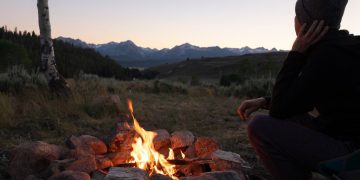
- Fire Efficiency: Small, controlled fires using locally sourced fuel
- Leave No Trace: All waste is packed out, natural materials are used responsibly, and environmental impact is minimized
These techniques embody the core principle of maximizing experience while minimizing impact.
8. Challenges and Considerations
While minimalist long-distance trekking offers many benefits, it presents challenges:
- Safety Risks: Reduced gear can increase vulnerability to weather, injury, or wildlife encounters
- Skill Dependence: Mastery of navigation, first aid, and survival techniques is crucial
- Accessibility: Not suitable for beginners without prior experience or guidance
Mitigation strategies include incremental practice, skill training, and emergency preparedness.
9. Community, Culture, and Knowledge Sharing
The minimalist trekking movement thrives on community interaction:
- Online Forums: Platforms like Reddit, YouTube, and specialized blogs offer gear reviews and adventure tips
- Workshops and Courses: Hands-on learning of bushcraft, navigation, and survival skills
- Media Influence: Documentaries and adventure storytelling inspire newcomers and foster community engagement
Community engagement helps preserve and evolve the practice, blending tradition with innovation.
10. Environmental and Ethical Implications
Minimalist long-distance trekking aligns with ecological consciousness:
- Reduced gear reduces production and transportation impact
- Leave No Trace principles ensure trails remain pristine
- Emphasis on skill over technology encourages respect for natural systems
This approach exemplifies responsible, low-impact adventure in the modern outdoor ethic.
11. Future Trends in Minimalist Long-Distance Adventure
The growth of minimalist trekking is likely to continue:
- Integration with Lightweight Technology: Ultralight solar chargers, multifunctional tools, and compact gear will enhance safety
- Expansion to Diverse Terrains: Desert, arctic, jungle, and alpine regions are being explored by ultralight enthusiasts
- Educational Programs: Outdoor schools and adventure companies increasingly teach minimalist techniques
- Cultural Shift: A broader recognition of simplicity, self-reliance, and environmental awareness as central to outdoor recreation
Conclusion: Embracing Minimalism for Adventure and Growth
The movement toward minimalist long-distance hiking and camping reflects more than a trend; it embodies a philosophy of intentionality, self-reliance, and connection with nature. By reducing dependence on equipment, adventurers cultivate skills, resilience, and mindfulness while minimizing environmental impact.
Minimalist trekking challenges individuals to prioritize essentials, make conscious decisions, and embrace the unpredictability of the natural world. It offers both physical and psychological rewards, transforming outdoor activity into a holistic practice of growth, discipline, and ecological stewardship.
In embracing minimalism, hikers and campers not only lighten their packs but also enrich their lives, experiencing the wilderness in its most profound and essential form.