










Introduction
In the world of outdoor adventure, the quest for the lightest tent is a pursuit driven by necessity, efficiency, and the desire for an enhanced experience. Whether for backpacking, mountain expeditions, or ultralight camping, the need for lightweight, compact, and high-performance shelters has never been more pronounced. As outdoor enthusiasts push the limits of endurance, so too have manufacturers refined their designs, materials, and techniques to create tents that offer the perfect balance between weight, durability, and comfort.
The lightest tents today are marvels of engineering, often weighing less than a kilogram, yet they are built to withstand the elements while providing essential protection. From the early days of traditional camping gear to the cutting-edge innovations of today, ultralight tents have evolved significantly, with new materials and design philosophies continuously shaping the market.
This article delves into the history, technical aspects, material innovations, and design principles that have influenced the development of ultralight tents. It also explores the practical applications, benefits, and challenges of using these tents, shedding light on the future of lightweight camping solutions.
1. Understanding the Need for Ultralight Tents
1.1 The Rise of Ultralight Backpacking
Ultralight backpacking is a movement that prioritizes minimalism, emphasizing the use of lightweight gear to reduce the overall load carried by hikers. The goal is to achieve maximum efficiency, allowing adventurers to move faster, cover more ground, and reduce fatigue while still enjoying the full experience of nature.
- Reducing weight means less strain on the body, enabling longer trips and more versatile routes.
- It’s about choosing functionality over luxury, and opting for compactness and durability in gear.
The tent, a critical piece of gear, plays a major role in ultralight backpacking, as its weight is often one of the heaviest items carried by hikers. As a result, the demand for lightweight shelters has led to the development of tent designs that optimize packability without compromising on essential features like weather protection, space, and stability.
1.2 The Necessity for Lightweight Tents in Extreme Conditions
Whether hiking through rugged mountain terrain, trekking in remote wilderness areas, or embarking on multi-day expeditions, ultralight tents offer distinct advantages:
- Mobility and Convenience: Ultralight tents allow for easier setup and takedown, enabling hikers to move swiftly along their routes.
- Adaptability: These tents can be set up in various conditions, making them suitable for different terrains, climates, and weather patterns.
- Long-Term Endurance: Lightweight tents contribute to a reduced pack weight, alleviating strain on the body during long hikes, ultimately improving stamina and overall performance.
In environments where every ounce counts, ultralight tents serve as a key component in helping outdoor enthusiasts reach their goals, often under extreme conditions.
2. Evolution of Ultralight Tents
2.1 Early Tent Designs
Before the emergence of ultralight backpacking gear, tents were large, bulky, and typically made from heavier materials. Early shelters were designed for comfort and durability, but weight was not as much of a concern. These tents often featured canvas or heavy-duty nylon and were suitable for car camping or base camp setups.
- Canvas tents: Used primarily for their durability and water resistance.
- Traditional camping shelters: Larger designs with more internal space and more extensive framework, often requiring significant effort to carry.
The early days of camping focused on comfort and sheltering large groups. However, as outdoor adventuring became more specialized, and the need for lighter gear became apparent, manufacturers began to experiment with new materials and designs to reduce weight without sacrificing protection or performance.
2.2 The Emergence of Ultralight Materials
The late 20th and early 21st centuries saw the development of lightweight materials that revolutionized tent construction. The introduction of synthetic fabrics, lighter poles, and advanced coatings changed the way tents were made and used.
- Nylon and Polyester: These materials replaced heavier canvas and were lightweight, durable, and relatively inexpensive.
- Silnylon: A silicone-treated nylon, offering high resistance to water and reduced weight.
- Dyneema: An ultralight fabric known for its high strength-to-weight ratio, now commonly used in high-end tents.
- Carbon Fiber and Aluminum Poles: Lighter, stronger poles replaced traditional steel or fiberglass, making tent frames more portable and easier to assemble.
These advancements allowed manufacturers to create tents that were significantly lighter while still being able to withstand wind, rain, and other harsh environmental conditions.
2.3 Modern Ultralight Tent Designs
Today’s ultralight tents feature a variety of innovative designs tailored for both performance and practicality. Modern ultralight shelters come in different configurations, from single-wall tents to double-wall tents, offering varying levels of comfort and weather resistance.
- Single-Wall Tents: These tents feature a single layer of material, which reduces weight and simplifies setup. They are often favored by solo travelers who prioritize minimalism over extra space.
- Double-Wall Tents: Featuring both an inner mesh and an outer waterproof layer, these tents provide better ventilation and moisture control, making them ideal for humid conditions.
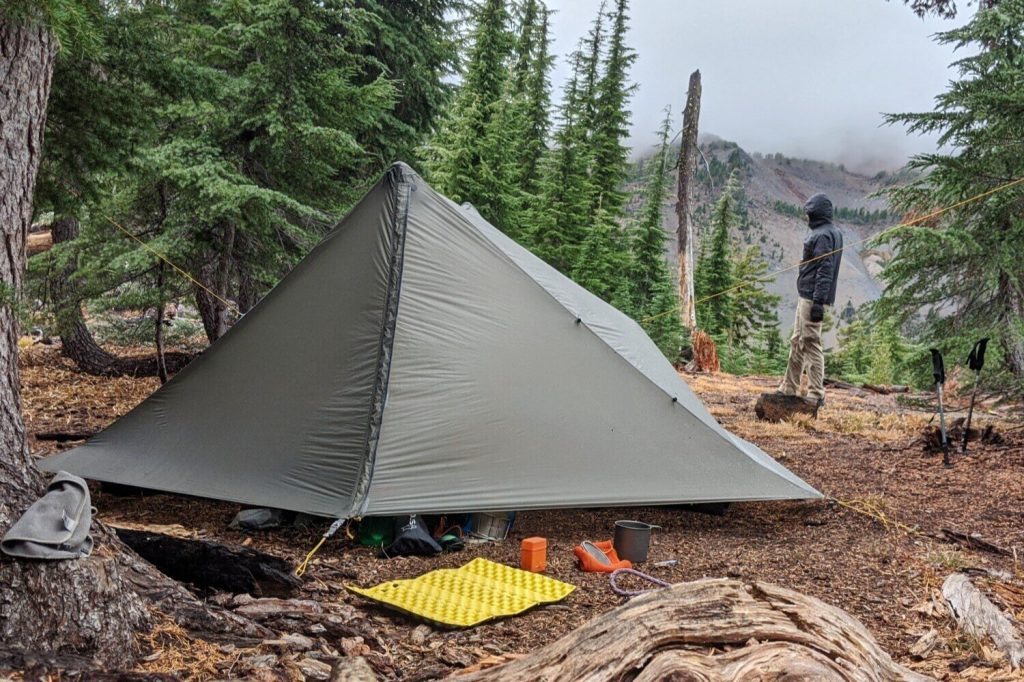
- Tarp and Bivy-Style Shelters: In an effort to minimize weight even further, some campers opt for tarps or bivy sacks, which offer basic shelter and can be set up quickly in a variety of environments.
Modern designs also feature advanced ventilation systems, increased waterproofing, and modular components to allow for customization based on the needs of the individual hiker.
3. Key Features of Ultralight Tents
3.1 Weight and Packability
The primary advantage of ultralight tents lies in their weight and compactness. A true ultralight tent typically weighs under 2 kg (4.4 lbs), with some high-performance models weighing just over 1 kg (2.2 lbs). The reduction in weight helps campers achieve:
- Improved Efficiency: Easier to carry and set up.
- Portability: Small, compact sizes allow for easy packing in a backpack, reducing overall gear weight.
- Flexibility: Lightweight tents allow hikers to cover longer distances each day without feeling burdened.
While sacrificing some room for comfort, the minimalist approach helps to prioritize speed and stamina.
3.2 Durability and Weather Protection
Despite their lightweight nature, ultralight tents do not compromise on durability or weather protection. The most innovative ultralight tents are designed to withstand harsh weather conditions, including:
- Rain: Waterproof coatings such as silicone or polyurethane ensure that the tent remains dry during rainy conditions.
- Wind: High-performance ultralight tents are designed to withstand high winds, featuring reinforced seams and strong yet flexible poles.
- Snow and Cold: Many ultralight tents are also capable of withstanding cold temperatures and light snow, with special coatings and fabrics that resist frost buildup.
By selecting high-quality materials and advanced engineering, these tents are capable of enduring the same harsh conditions as traditional, heavier tents, albeit with slightly reduced space and comfort.
3.3 Ventilation and Condensation Management
One of the challenges of ultralight tents, especially single-wall designs, is condensation. Without proper ventilation, moisture can build up inside the tent, leading to damp conditions.
- Mesh Panels and Vents: Modern ultralight tents incorporate mesh doors, side panels, and vents to improve airflow and reduce moisture buildup.
- Breathable Fabrics: Some tents now use fabrics designed to be more breathable, allowing moisture to escape without compromising waterproofing.
Ventilation is particularly important in humid or wet environments, where condensation can create uncomfortable or even dangerous conditions.
4. Popular Brands and Models of Ultralight Tents
4.1 Big Agnes
Big Agnes is renowned for producing some of the most durable, lightweight tents on the market. Their Tiger Wall Ultralight series, for example, offers a balance of weight, durability, and comfort, with the ability to withstand various weather conditions.
4.2 Zpacks
Zpacks is another leader in the ultralight tent market, specializing in Dyneema tents that offer unrivaled strength-to-weight ratios. Their Triplex tent is widely regarded for its spacious interior and exceptional weather resistance while keeping the weight to an absolute minimum.
4.3 Hyperlite Mountain Gear
Known for its use of Dyneema fabric, Hyperlite Mountain Gear produces some of the lightest and most durable shelters in the ultralight market. Their UltaMid 2 tent, for example, offers high-quality performance and minimal weight for those seeking shelter in remote environments.
4.4 MSR (Mountain Safety Research)
MSR’s Freelite series is a popular option for those seeking ultralight solutions for backpacking and trekking. These tents combine weight-saving features with excellent weatherproofing.
5. Challenges and Limitations of Ultralight Tents
While ultralight tents offer numerous benefits, they also come with a set of trade-offs and challenges:
5.1 Reduced Comfort
Ultralight tents are often smaller and more cramped, sacrificing extra space for weight reduction. These tents are designed to provide only basic shelter, with limited room for storage and comfort.
5.2 Durability Concerns
While ultralight materials are strong, they are often more susceptible to wear and tear compared to traditional camping gear. Care must be taken to avoid sharp rocks, tree branches, or other hazards that could compromise the tent’s structural integrity.
5.3 Cost
Ultralight tents are often more expensive due to the use of specialized materials such as Dyneema or silicone coatings. These materials, while lightweight and durable, can add a premium cost to the final product.
Conclusion
The development of ultralight tents has revolutionized the way outdoor enthusiasts approach backpacking, trekking, and mountaineering. By reducing weight without compromising on durability or weather resistance, these tents have redefined what is possible in wilderness shelter. As the demand for ultralight solutions continues to grow, innovations in materials and design will only enhance the capabilities of future tents, pushing the boundaries of performance and minimalism.
Whether you are planning a multi-day hike through remote terrain or exploring a new wilderness area, the right ultralight tent can make all the difference. With advancements in materials, design, and technology, today’s ultralight tents provide the optimal balance of comfort, protection, and portability, ensuring that the spirit of exploration and adventure remains at the forefront of outdoor experiences.