









Survival in harsh environments relies on the mastery of two fundamental human needs: clean water and thermal regulation. Across all types of survival scenarios—from wilderness expeditions to urban emergencies—access to potable water and the ability to maintain body heat are paramount. Failure in either domain can lead to rapid deterioration of physical and cognitive function, drastically reducing chances of survival.
This article provides a comprehensive guide to obtaining clean water and maintaining warmth in diverse survival situations. By exploring the scientific principles, practical techniques, and modern innovations, we aim to offer a thorough resource for adventurers, hikers, emergency responders, and anyone interested in survival preparedness. Through detailed examples, step-by-step methods, and environmental considerations, this article emphasizes both effectiveness and safety.
1. Introduction: The Primacy of Water and Heat in Survival
Human physiology dictates that water and thermal balance are the foundation of survival. The body can survive only:
- ~3 days without water
- ~3 weeks without food
Similarly, exposure to extreme cold or heat can lead to hypothermia or hyperthermia within hours. In emergency situations—whether stranded in the wilderness, facing a natural disaster, or navigating maritime or alpine environments—prioritizing water and warmth is essential.
- Hydration: Supports circulation, kidney function, and thermoregulation.
- Thermal Regulation: Prevents hypothermia, frostbite, or heatstroke, ensuring that other survival activities (finding food, building shelter, signaling) can be performed.
Effective survival requires both immediate and long-term strategies for sourcing water and maintaining body temperature.
2. Principles of Water Procurement
Access to clean water is often the most immediate challenge in survival scenarios. Water from natural sources may be contaminated with pathogens, chemicals, or particulate matter. Effective water procurement requires identifying sources, assessing quality, and applying purification techniques.
2.1 Identifying Water Sources
- Surface Water: Rivers, streams, lakes, ponds, and rainwater. Surface water may contain bacteria, protozoa, or chemical pollutants.
- Groundwater: Springs, wells, or seepages often provide cleaner water but require location knowledge and digging skills.
- Atmospheric Water: Rain, dew, and condensation can be collected using tarps, leaves, or improvised funnels.
- Plants: Some plants store water in stems or roots (e.g., cacti, bamboo). Fruit and vegetation may supplement hydration.
2.2 Evaluating Water Quality
Water clarity alone is not a reliable indicator of safety. Clear water can still contain harmful pathogens, while slightly turbid water may be safe if properly treated. Indicators of potentially unsafe water include:
- Strong odors or unusual coloration
- Presence of dead animals or excessive algae
- Runoff from agricultural or industrial areas
3. Methods of Water Purification
Once water is located, it must be purified before consumption. Methods vary in complexity, effectiveness, and suitability to different environments.
3.1 Boiling
Boiling is one of the most reliable methods for pathogen removal. Key points:
- Bring water to a rolling boil for at least 1 minute (3 minutes at altitudes above 2,000 meters).
- Boiling kills bacteria, viruses, and protozoa but does not remove chemical pollutants.
3.2 Filtration
Filters remove particulates and some pathogens. Types include:
- Mechanical Filters: Remove sediment and bacteria; often do not remove viruses.
- Activated Carbon Filters: Improve taste and remove some chemical contaminants.
- Portable Pump Filters: Suitable for field use during hiking, camping, or expeditions.
3.3 Chemical Treatment
- Chlorine or Iodine Tablets: Effective against bacteria and viruses; require time for full disinfection.
- Household Bleach: Can be used in emergencies at appropriate dilution (typically 2–4 drops per liter, wait 30 minutes).
3.4 Solar and UV Treatment
- Solar Disinfection (SODIS): Water in transparent containers exposed to sunlight for 6–8 hours. UV radiation destroys pathogens.
- UV Light Devices: Portable UV pens effectively sterilize small water quantities.
3.5 Distillation
Useful for desalination or chemical contamination:
- Boil water and capture condensation to separate pure water from contaminants.
- Solar stills can achieve the same using sunlight and improvised materials.

4. Principles of Thermal Regulation
Maintaining body temperature is essential to prevent hypothermia in cold environments or hyperthermia in heat. Human core temperature should remain approximately 36.5–37.5°C (97.7–99.5°F).
4.1 Understanding Heat Loss
Heat can be lost through:
- Conduction: Contact with cold surfaces
- Convection: Air movement carrying heat away
- Radiation: Emission of heat from the body to the surroundings
- Evaporation: Loss of heat through sweat or wet clothing
Understanding these mechanisms allows survivors to apply appropriate strategies for retention or cooling.
5. Techniques for Maintaining Warmth
5.1 Clothing and Layering
- Base Layer: Moisture-wicking materials (synthetic or wool) keep skin dry.
- Insulating Layer: Fleece or down traps body heat.
- Outer Layer: Waterproof and windproof shells protect against environmental exposure.
5.2 Shelter Construction
Shelter mitigates heat loss through wind and precipitation. Options include:
- Natural Shelters: Caves, rock overhangs, dense vegetation
- Improvised Shelters: Lean-tos, debris huts, snow caves
- Thermal Insulation: Leaves, moss, or clothing can line floors and walls
5.3 Fire and Heat Sources
- Fire provides warmth, cooking capabilities, and morale support.
- Fire safety is essential to prevent accidental injury or wildfires.
5.4 Sleeping Strategies
- Elevate off the ground to reduce conductive heat loss.
- Use insulating materials under sleeping bags.
- Limit exposure by staying dry and layering appropriately.
6. Techniques for Cooling in Extreme Heat
While cold environments are often emphasized, survival in hot climates also requires thermal management:
- Shade and Shelter: Avoid direct sun exposure during peak hours.
- Hydration: Frequent water intake maintains thermoregulation.
- Ventilation: Lightweight clothing that allows airflow prevents overheating.
- Wet Cloths or Evaporative Cooling: Using water to enhance cooling effect.
7. Integrated Survival Strategies
The most effective survival plans combine water procurement and thermal management:
- Prioritize water before exertion: Dehydration exacerbates heat-related risks.
- Shelter placement near water sources: Ensures hydration while minimizing energy expenditure.
- Layering with environmental awareness: Adjust clothing and shelter according to temperature fluctuations and daily weather patterns.
- Energy conservation: Physical exertion increases both dehydration and heat loss in cold environments; careful planning of tasks is essential.
8. Modern Innovations and Tools
Technology has significantly improved the ability to secure water and maintain warmth:
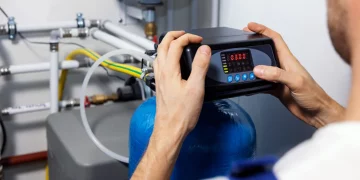
- Portable Water Filters and Desalination Devices: Compact, efficient, and reliable for both freshwater and seawater sources.
- Thermal Clothing Technology: Down alternatives, moisture-wicking fabrics, and phase-change materials improve insulation without bulk.
- Survival Kits: Include emergency water pouches, thermal blankets, and fire-starting tools.
- GPS and Communication Devices: Enable better route planning to locate water sources and avoid exposure to extreme conditions.
9. Real-World Applications and Case Studies
- Mountaineering Expeditions: Success depends on carrying adequate water, melting snow for drinking, and layering to prevent hypothermia.
- Desert Survival Scenarios: Maximizing shade, rationing water, and using reflective materials for cooling.
- Maritime Survival: Solar stills and rainwater collection often determine survival time when stranded at sea.
- Emergency Disaster Response: Knowledge of water purification and thermal management reduces morbidity and mortality in floods, hurricanes, or snowstorms.
10. Conclusion
Securing clean water and maintaining body warmth are universally critical survival skills. Mastery of these domains combines scientific understanding, practical techniques, and mental resilience. Whether in the Arctic, tropical islands, deserts, or urban disaster zones, these principles remain fundamental to human survival.
Effective planning, resourcefulness, and proper use of modern tools can drastically improve survival outcomes, transforming challenging environments from life-threatening to manageable. Ultimately, water and warmth are not merely physiological requirements—they are the foundation of resilience, safety, and sustainable survival.