





Introduction: The Changing Nature of Work and Travel
In recent years, the digital nomad lifestyle has exploded in popularity, reshaping the way people approach both work and travel. The days of being tethered to an office desk are fading as more individuals embrace the freedom of working remotely while exploring the world. This growing trend is powered by technology, the rise of remote jobs, and a desire for flexibility, independence, and personal fulfillment.
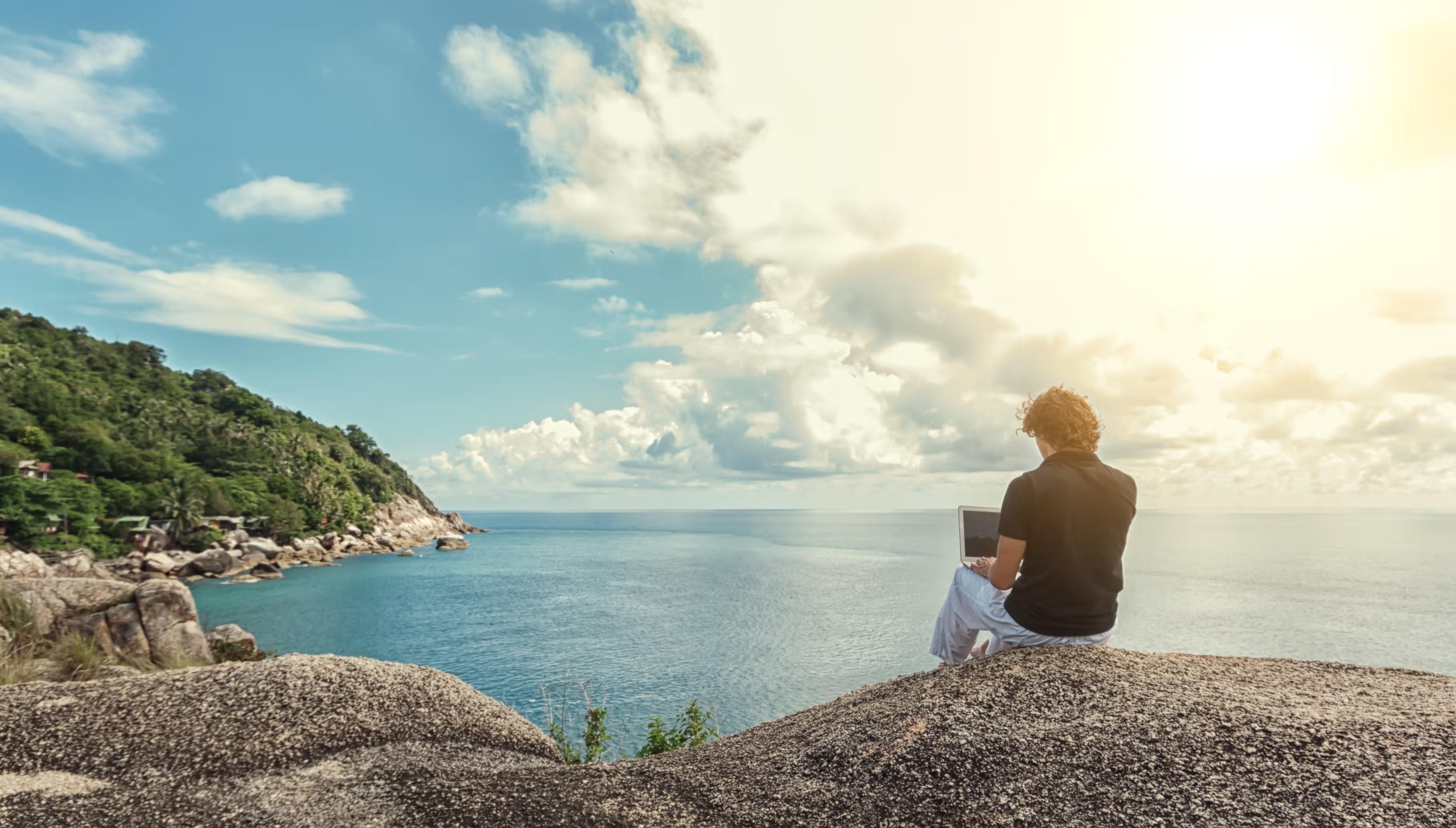
Digital nomads—individuals who leverage technology to work from anywhere—are increasingly choosing to live on the move, crossing continents and immersing themselves in new cultures. They work in cafes, co-working spaces, Airbnb rentals, and even from the beach, using their laptops and smartphones to stay connected to their clients, teams, and projects. What was once considered a niche lifestyle has now become a global movement, with an ever-growing community of remote workers, freelancers, and entrepreneurs.
This article explores how the digital nomad movement is driving the popularity of cross-continental long-term travel, offering insights into the benefits, challenges, and trends that are shaping this modern way of life.
1. The Rise of Digital Nomadism: A New Work Paradigm
1.1 Defining the Digital Nomad Lifestyle
The term “digital nomad” refers to individuals who use digital technologies to earn a living while leading a lifestyle that allows them to travel and live in different locations. Unlike traditional workers who are confined to an office or workplace, digital nomads have the flexibility to work from any place with internet access. Their work spans various industries, including tech, writing, marketing, design, education, and more.
The rise of remote work in recent years has been fueled by a combination of factors, including:
- Advancements in Technology: The internet, cloud computing, video conferencing, and collaborative tools like Slack, Zoom, and Trello have made it easier for individuals to work from anywhere in the world. Digital tools make it possible for remote workers to communicate, collaborate, and share information instantaneously.
- Remote Job Opportunities: Platforms like Upwork, Fiverr, Remote OK, and We Work Remotely have created a global marketplace for remote work. Companies across industries now understand the value of hiring talent regardless of location.
- Work-Life Flexibility: Many workers are increasingly dissatisfied with the traditional 9-to-5 structure and are seeking more flexibility in how they work. The digital nomad lifestyle offers a perfect solution, allowing workers to combine their careers with their passions for travel and adventure.
1.2 The Appeal of Cross-Continental Long-Term Travel
The allure of long-term travel is a key factor driving the rise of digital nomadism. While short vacations or weekend getaways have always been popular, digital nomads are opting for more extended travel experiences, living in new places for weeks, months, or even years at a time. The ability to work remotely while immersing oneself in foreign cultures is an enticing prospect for many individuals.
Cross-continental travel—moving between continents for extended periods—is becoming a defining feature of the digital nomad lifestyle. Key factors contributing to the popularity of this trend include:
- Cultural Immersion: Spending significant time in a new country allows digital nomads to deeply experience the local culture, food, language, and traditions. This type of travel is far more enriching than brief vacations, offering a chance to live like a local.
- Affordable Living: Many digital nomads choose to live in countries with lower costs of living, allowing them to stretch their budgets further. Southeast Asia, Eastern Europe, and Latin America, for example, offer excellent quality of life at a fraction of the cost of cities like New York or London.
- Adventurous Spirit: Traveling across continents provides a sense of adventure and the opportunity to explore a wide variety of landscapes, from tropical beaches to ancient cities to snow-capped mountains.
- Global Networking: As more digital nomads establish themselves in various locations, they create thriving networks of like-minded individuals. These communities offer professional and social support, as well as opportunities for collaboration and business partnerships.

2. Popular Digital Nomad Destinations for Long-Term Travel
2.1 Southeast Asia: The Heart of Digital Nomadism
Southeast Asia has become one of the most sought-after destinations for digital nomads. Countries like Thailand, Indonesia, Vietnam, and Malaysia offer an irresistible combination of affordable living, vibrant cultures, and strong digital infrastructure. These countries are known for their low cost of living, beautiful landscapes, and welcoming attitudes towards foreigners.
Top Destinations in Southeast Asia:
- Bali, Indonesia: Bali is often referred to as the digital nomad capital of the world. Its tropical climate, stunning beaches, and thriving community of remote workers make it a top destination. The town of Canggu is particularly popular, with numerous co-working spaces and a strong community of nomads.
- Chiang Mai, Thailand: Chiang Mai is considered one of the best cities in the world for digital nomads. Known for its affordable living and relaxed lifestyle, it’s home to a growing number of co-working spaces and a large expat community. The city offers a perfect blend of modern amenities and cultural heritage.
- Ho Chi Minh City, Vietnam: Ho Chi Minh City (formerly Saigon) has become increasingly popular among digital nomads for its low cost of living, vibrant energy, and excellent street food. The city offers a thriving digital nomad community and plenty of opportunities for networking.
- Kuala Lumpur, Malaysia: Kuala Lumpur is a global hub for business and culture, offering excellent infrastructure, fast internet, and affordable living. It’s a great base for digital nomads who want to experience urban life while still having access to beautiful nature and beaches.
Challenges in Southeast Asia:
- Visa Regulations: While many countries in Southeast Asia offer long-term stays for tourists, digital nomads may face visa limitations if they intend to stay longer than the typical tourist visa allows. However, many countries are adapting by offering digital nomad visas or more flexible visa policies.
- Internet Speed: While major cities typically offer reliable internet, remote areas may not have the same infrastructure. It’s crucial for digital nomads to do their research and choose accommodations with guaranteed Wi-Fi.
2.2 Eastern Europe: The New Frontier for Remote Work
Eastern Europe is quickly becoming a top choice for digital nomads seeking affordable living and the opportunity to explore a rich cultural history. Cities like Tbilisi (Georgia), Bucharest (Romania), and Belgrade (Serbia) are gaining popularity due to their affordable costs, growing nomad communities, and emerging tech hubs.
Top Destinations in Eastern Europe:
- Tbilisi, Georgia: Tbilisi has been a rising star in the digital nomad community. With a digital nomad visa that allows remote workers to stay for up to a year, Tbilisi offers a combination of modern amenities and ancient charm. The city is known for its affordable cost of living and is a gateway to explore Georgia’s stunning landscapes.
- Bucharest, Romania: Bucharest is a great base for digital nomads in Eastern Europe. The city boasts an active startup scene, excellent internet, and a relatively low cost of living compared to Western Europe. It also has a rich cultural scene and is well-connected to other parts of Europe.
- Belgrade, Serbia: Belgrade is an up-and-coming destination for remote workers looking for affordable living and a lively atmosphere. The city offers a mix of historic architecture, a strong café culture, and a welcoming local population, making it an attractive spot for nomads.
Challenges in Eastern Europe:
- Language Barrier: While many people in Eastern Europe speak English, particularly in major cities, knowing some of the local language can be helpful in more remote areas.
- Visa Restrictions: Some countries in Eastern Europe may require visa extensions or specific permits for long-term stays. It’s important to research the visa regulations and make sure you are in compliance with local laws.
2.3 Latin America: A Digital Nomad Haven
Latin America offers a wide range of destinations for digital nomads, with countries like Mexico, Costa Rica, Colombia, and Argentina emerging as hotspots for remote workers. The relatively low cost of living, rich cultural experiences, and favorable climate make it an ideal destination for long-term travel.
Top Destinations in Latin America:
- Mexico City, Mexico: Mexico City offers a perfect blend of modernity and tradition. With a vibrant culture, rich history, and a growing digital nomad community, it’s one of the top destinations for remote workers. The cost of living is affordable compared to major cities in the U.S. or Europe, and there are plenty of co-working spaces and networking opportunities.
- Medellín, Colombia: Known for its pleasant climate, Medellín has become one of the most popular cities for digital nomads in Latin America. The city is affordable, boasts excellent internet connectivity, and is home to a burgeoning community of remote workers and entrepreneurs.
- Buenos Aires, Argentina: Buenos Aires is a cultural melting pot with a lively arts scene, amazing food, and affordable living. It’s a great place for digital nomads who want to experience South American culture while maintaining a stable work-life balance.
Challenges in Latin America:
- Political Instability: Some countries in Latin America experience political instability, which can disrupt daily life and travel plans. Digital nomads should stay informed about the local political situation.
- Internet Connectivity: While major cities have reliable internet, rural areas may lack the necessary infrastructure for remote work. Always check internet speeds before booking accommodations.
3. Overcoming the Challenges of Long-Term Cross-Continental Travel
3.1 Maintaining Work-Life Balance
One of the most significant challenges for digital nomads is maintaining a healthy balance between work and travel. It can be easy to get distracted by new places, people, and experiences, but staying productive is essential.
Tips for balancing work and travel include:
- Setting a consistent work schedule: Designate specific hours during the day for work, allowing the rest of the time for exploration.
- Creating a dedicated workspace: Whether in a café, co-working space, or a quiet room in your accommodation, having a designated area to work helps you stay focused.
3.2 Managing Finances and Budgeting
Cross-continental travel can be expensive, but digital nomads often have the advantage of earning income from anywhere, which allows for greater flexibility in budgeting.
Some financial tips include:
- Tracking expenses: Use apps like Mint or YNAB to keep track of spending and create a budget.
- Building an emergency fund: Having savings set aside for unexpected situations will provide peace of mind while traveling long-term.
Conclusion: A New Era of Work and Travel
The digital nomad movement is reshaping the way we think about work and travel, offering a new sense of freedom and possibility. As more people embrace the ability to work from anywhere, cross-continental long-term travel is becoming increasingly popular. Whether you’re drawn to the cultural immersion, affordable living, or the opportunity to connect with a global network of like-minded individuals, the digital nomad lifestyle provides an unparalleled opportunity to live life on your own terms.
With the right tools, mindset, and preparation, digital nomads can create a lifestyle that blends work, travel, and personal growth. As technology continues to evolve and more regions adapt to remote work, the world will continue to open up, offering endless opportunities for those seeking adventure, autonomy, and fulfillment.