






Introduction: The Rise of Work and Travel
In recent years, a significant cultural shift has taken place in the way we approach work and travel. Traditionally, work was something that kept us tethered to a desk, a set schedule, and often to a single location. However, with the rise of digital technology, the world has changed. More people are now embracing the digital nomad lifestyle, blending work with the freedom to explore new destinations, cultures, and experiences.
Being able to work while traveling is no longer a far-fetched dream but a practical reality for many professionals. Whether it’s freelancers, entrepreneurs, or remote employees, the concept of working from anywhere has gained widespread appeal. This article will delve into how one can successfully balance work and travel, offering practical advice, tools, and insights for anyone looking to embark on a journey that combines professional responsibilities with the thrill of discovering the world.
1. The Digital Nomad Revolution: A New Era of Work
1.1 What Is a Digital Nomad?
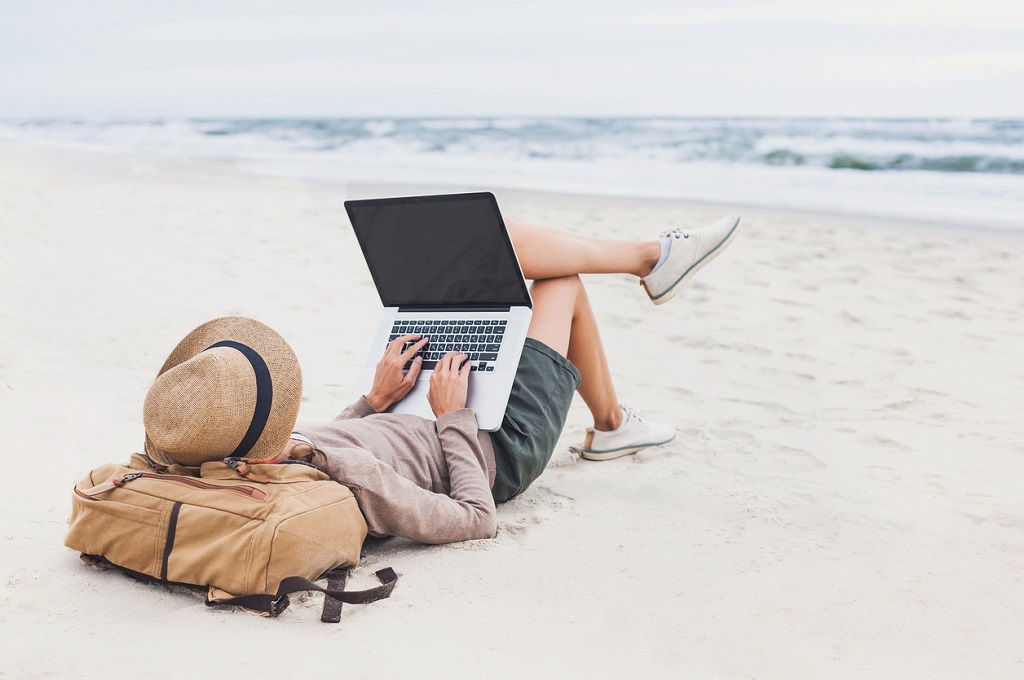
A digital nomad is someone who uses technology to work remotely, allowing them to travel and live in different locations while earning a living. The concept has become increasingly popular in the age of the internet, where nearly every type of job can be done remotely—whether in tech, marketing, design, or writing.
The rise of platforms like Upwork, Fiverr, Remote OK, and We Work Remotely has allowed people to find flexible job opportunities that suit the nomadic lifestyle. Additionally, tools like Slack, Zoom, and Trello have made it easier for teams to collaborate and communicate virtually, removing the geographical limitations that once restricted remote work.
1.2 The Benefits of Working While Traveling
Working while traveling offers a range of benefits:
- Flexibility: The ability to choose when and where you work.
- Exploration: The opportunity to immerse yourself in new cultures, languages, and experiences.
- Work-Life Balance: A lifestyle that blends personal enjoyment and career fulfillment.
- Financial Savings: For many, traveling in certain countries can be more affordable than staying in their home country, allowing for greater savings or extended travel.
- Increased Productivity: A change of environment can help improve creativity, reduce stress, and increase motivation.
However, this lifestyle isn’t without its challenges. Successful digital nomads often have to balance their professional goals with the desire to explore and enjoy the places they visit. Here, we’ll take a closer look at how to navigate these challenges.
2. How to Make Work and Travel Work for You
2.1 Finding the Right Job for the Digital Nomad Lifestyle
Not every job is suited for a remote, travel-friendly lifestyle. To become a successful digital nomad, it’s important to choose a profession or side gig that offers the flexibility to work from anywhere. Some of the most popular remote-friendly jobs include:
- Freelance Writing and Editing: Writers, journalists, and editors can work from virtually anywhere, as long as they have a computer and internet access.
- Web Development and Design: Developers and designers often work on projects that only require an internet connection, making them ideal candidates for remote work.
- Online Teaching/Tutoring: Platforms like VIPKid, Preply, and iTalki enable educators to teach English or other subjects from the comfort of their homes or while traveling.
- Marketing and Social Media Management: Digital marketing professionals can work remotely by managing campaigns, creating content, or handling social media accounts.
- Virtual Assistance: Virtual assistants provide administrative support remotely, from managing emails and calendars to handling customer inquiries.
If you’re looking to make a smooth transition to the digital nomad lifestyle, it’s essential to identify work opportunities that allow you to operate virtually. If you’re currently in a traditional 9-to-5 job, you might want to explore remote work options with your employer or start working on building skills for a remote-friendly role.
2.2 The Tools of the Trade: Essential Technology for Digital Nomads
Having the right tools is crucial for making the work-travel balance possible. Below is a list of essential technology for digital nomads to ensure productivity and smooth communication while on the move:
- Laptop: A lightweight and powerful laptop is your main tool for remote work. Ensure it has sufficient storage, processing power, and battery life to handle your tasks on the go.
- Portable Wi-Fi: While many places offer Wi-Fi, it’s important to have a backup internet option. Portable Wi-Fi devices or local SIM cards with mobile data are a good way to ensure a reliable connection.
- Cloud Storage: Use services like Google Drive, Dropbox, or OneDrive to store important documents and files, ensuring they’re accessible no matter where you are.
- Communication Tools: Apps like Slack, Zoom, and Skype are essential for staying in touch with clients, teams, or collaborators.
- Project Management Software: Tools like Trello, Asana, and Monday.com help keep projects organized, whether you’re working solo or as part of a team.
- Time Zone Converter: Managing clients or projects in different time zones requires precise scheduling. Tools like Time Zone Converter or World Time Buddy help you avoid scheduling mishaps.
2.3 Finding the Perfect Balance: Managing Work and Play
One of the most common struggles for digital nomads is finding the right balance between work and exploration. Traveling provides numerous distractions—beaches, cultural experiences, outdoor adventures—but work still needs to get done. Here are a few strategies to help you find a healthy work-play balance:
- Set a Work Schedule: One of the biggest challenges of working remotely while traveling is the lack of structure. Create a daily work schedule that allows for both productivity and downtime. For example, you might choose to work in the mornings and reserve afternoons for exploring your destination.
- Designate a Workspace: Whether you’re staying in a hotel, Airbnb, or working from a café, it’s important to set up a dedicated workspace. This helps to mentally distinguish between work time and leisure time.
- Be Realistic About Your Time: Traveling can be exhausting, and sometimes you may not have the energy to work long hours. Be realistic about how much work you can accomplish each day, and allow flexibility in your schedule.
- Use Time Management Techniques: Techniques like the Pomodoro Technique (working in focused 25-minute intervals) can help boost productivity, especially when working from unfamiliar environments.
2.4 Choosing the Right Destinations for Work and Travel
Selecting the right destinations for a work-and-travel lifestyle is crucial to ensure both productivity and enjoyment. Here are a few things to consider when choosing a destination:
- Internet Connectivity: Ensure that the place you are traveling to has reliable and fast internet, as this is essential for remote work. Popular destinations for digital nomads, such as Bali, Lisbon, Mexico City, and Chiang Mai, have well-developed infrastructure for remote workers.
- Time Zone Compatibility: If your work requires constant communication with colleagues or clients in different time zones, make sure your chosen destination allows you to work during business hours in your home country.
- Cost of Living: While traveling, you may want to choose locations with a lower cost of living to make your income stretch further. Destinations in Southeast Asia, Central America, and Eastern Europe are known for being affordable for remote workers.
- Community of Digital Nomads: Some cities are hubs for digital nomads and offer co-working spaces, networking events, and social meetups. Cities like Bali and Tbilisi, Georgia, have become popular destinations due to their thriving digital nomad communities.
- Local Attractions: Consider the kinds of experiences you want during your downtime. Are you seeking beautiful beaches, rich cultural experiences, hiking adventures, or a peaceful rural escape?
3. Overcoming Challenges: Tips for Long-Term Success
While the digital nomad lifestyle offers incredible freedom and opportunity, it does come with its own set of challenges. Here are some strategies to ensure long-term success:
3.1 Maintaining Focus and Productivity
One of the biggest challenges is staying focused in unfamiliar environments. From noisy cafes to busy streets, distractions are plentiful. To combat this, consider:
- Noise-canceling headphones: Block out distractions when working in public spaces.
- Co-working spaces: These are ideal for networking, staying productive, and meeting fellow nomads.
- Set daily goals: Clearly defined goals will help you stay on track and reduce procrastination.
3.2 Managing Finances on the Road
Maintaining financial stability while traveling is crucial. Use budgeting tools like Mint or YNAB (You Need A Budget) to track your expenses. Additionally, have a mix of income streams (freelance work, online business, etc.) to ensure consistent cash flow. Always keep an emergency fund and consider opening an international bank account to avoid high withdrawal fees abroad.
Conclusion: Living the Dream
The work and travel lifestyle is no longer a fantasy—it’s a viable option for many professionals who seek a better work-life balance and the opportunity to explore the world. By embracing the digital nomad lifestyle, you can break free from the confines of traditional work environments and create a life filled with adventure, self-discovery, and professional growth.
Whether you’re interested in discovering new cultures, enjoying unique experiences, or simply escaping the grind, working while traveling can offer an exciting and fulfilling lifestyle. With the right tools, mindset, and planning, you can successfully merge your career with the wanderlust spirit. So, pack your bags, fire up your laptop, and take the first step towards a life of freedom and exploration.