








Introduction: The Allure of the Andes Mountains
The Andes Mountains, often referred to as the “spine of South America”, stretch over 7,000 kilometers through seven countries: Venezuela, Colombia, Ecuador, Peru, Bolivia, Chile, and Argentina. These majestic peaks offer some of the most exhilarating and challenging trekking routes in the world. Known for their stunning landscapes, cultural richness, and diverse ecosystems, the Andes present adventurers with an unparalleled opportunity to explore remote regions, ancient ruins, and high-altitude environments that are as awe-inspiring as they are daunting.
This article will provide a detailed overview of the most iconic trekking routes through the Andes, highlighting the best paths for experienced trekkers and first-timers alike. We will explore the logistics, difficulties, and rewards of crossing the Andes, offering tips for preparation, safety, and sustainability. By the end, readers will have a deeper understanding of what it takes to tackle these breathtaking mountains and the unique experiences that await those who venture into the heart of the Andes.
1. The Appeal of Crossing the Andes: A Dream for Adventure Seekers
1.1 A Landscape of Extremes
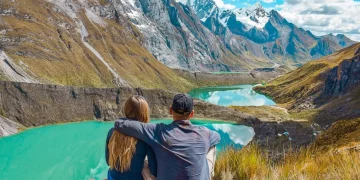
The Andes are home to a range of environments, from the lush Amazon rainforest in the north to the arid Atacama Desert in the south. The mountain range encompasses dramatic snow-capped peaks, volcanic landscapes, and glacial lakes, making it a natural paradise for trekkers and mountaineers. The vast terrain offers a range of altitudes, with some peaks exceeding 6,000 meters above sea level, providing diverse challenges for those daring enough to embark on the journey.
For many, crossing the Andes is more than just a physical challenge—it is a spiritual journey. The mountains are rich in cultural significance, particularly for the indigenous Quechua and Aymara peoples, who have lived in these high-altitude regions for centuries. From Inca ruins such as Machu Picchu in Peru to the Titicaca Lake and the remains of Tiwanaku in Bolivia, the Andes hold an intrinsic connection to the continent’s pre-Columbian heritage.
The idea of traversing this mighty mountain range connects many trekkers with a sense of adventure, freedom, and a thirst for discovery. It is a journey that demands endurance, mental fortitude, and adaptability but rewards with unparalleled vistas and an understanding of the deep cultural and natural history of South America.
2. Iconic Routes for Crossing the Andes
2.1 The Inca Trail (Peru)
Overview and Significance
One of the most famous trekking routes in the world, the Inca Trail takes trekkers through some of the most incredible landscapes and archaeological sites in South America. This 4-day trek covers approximately 43 kilometers and leads directly to the awe-inspiring Machu Picchu, the ancient Incan citadel that remains one of the New Seven Wonders of the World.
The Inca Trail passes through various ecosystems, from cloud forests to high-altitude grasslands, and offers stunning views of the surrounding peaks. The trail also takes hikers past several ancient Inca ruins, including Wiñay Wayna and Phuyupatamarca, allowing travelers to connect with the region’s rich archaeological and cultural history.
Challenges and Considerations
- Altitude: The trek reaches an altitude of 4,200 meters at its highest point, Dead Woman’s Pass. Trekkers need to acclimatize properly to avoid altitude sickness.
- Permits: The Inca Trail requires a permit, which is limited to 500 people per day. Booking well in advance is essential.
- Physical Requirements: While not technically difficult, the Inca Trail is challenging due to its elevation and the strenuous ascent to Dead Woman’s Pass.
Best Time to Go: The dry season (May to September) is ideal for this trek, as the weather is more predictable, and the trail is less muddy.
2.2 The Cordillera Blanca Trek (Peru)
Overview and Significance
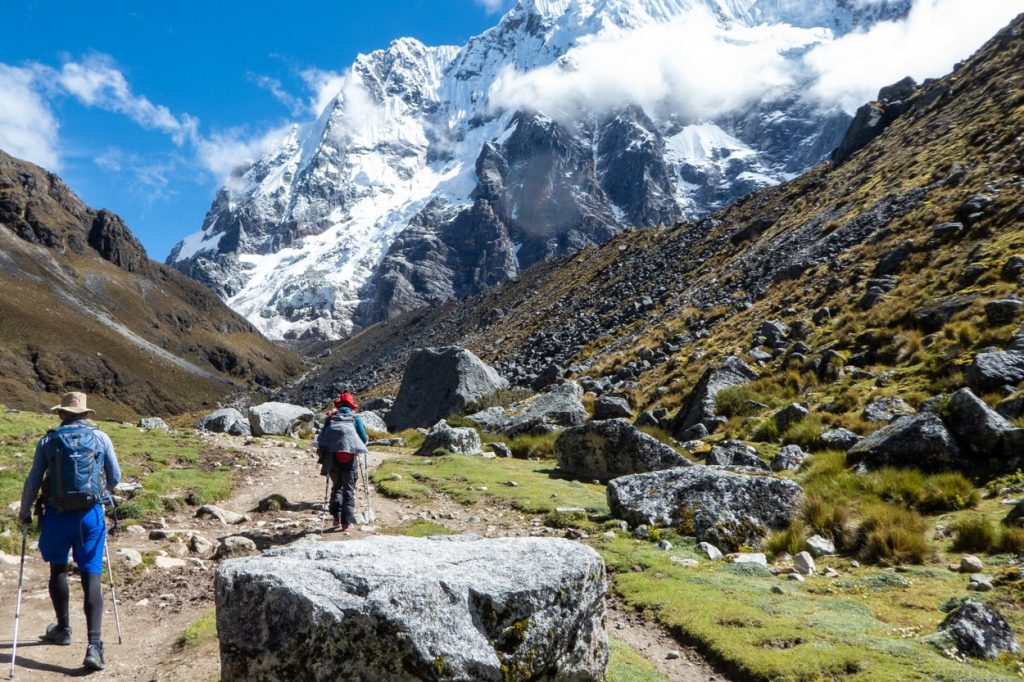
The Cordillera Blanca is a mountain range within the Peruvian Andes, offering one of the most stunning trekking circuits in South America. This region is home to some of the highest peaks in Peru, including Huascarán, the tallest mountain in the country at 6,768 meters. The Santa Cruz Trek, in particular, is one of the most popular routes, winding through glacial valleys, waterfalls, and high-altitude lakes.
Challenges and Considerations
- Altitude: The trek reaches altitudes of up to 4,700 meters, which requires good acclimatization.
- Weather: The region can experience extreme weather, including heavy rains, which make trekking difficult in the wet season (October to March).
- Technical Difficulty: The Santa Cruz Trek is considered a moderate to challenging trek due to its steep sections and varying terrain.
Best Time to Go: From June to August, when the weather is dry and clear, providing the best views of the surrounding peaks and valleys.
2.3 The Patagonia Crossing (Argentina and Chile)
Overview and Significance
Patagonia, the southern region of the Andes that spans Argentina and Chile, offers some of the most dramatic and remote trekking routes in the world. The Torres del Paine National Park in Chile is home to the W Trek, a 4 to 5-day trek known for its iconic granite spires, turquoise lakes, and lush valleys. The Fitz Roy Massif in Argentina, located near the town of El Chaltén, offers another challenging route with stunning mountain views.
Trekking through Patagonia is a unique experience, offering an almost untouched wilderness. The windswept plains, jagged mountain peaks, and crystal-clear lakes make this area a paradise for adventure seekers.
Challenges and Considerations
- Weather: Patagonia is known for its unpredictable weather, including heavy winds and sudden rainstorms. Hikers must come prepared for cold temperatures, even during summer months.
- Remote Location: These treks take trekkers through isolated regions, where supplies and help may be far away. It’s crucial to be self-sufficient and prepared for emergencies.
Best Time to Go: The best time to visit Patagonia is during the Southern Hemisphere summer (November to March), when the weather is milder and more conducive to trekking.
2.4 The High Andes Crossing (Chile and Argentina)
Overview and Significance
The High Andes Crossing is a longer and more challenging trek that spans both Chile and Argentina. It typically follows the Andes Mountains from Mendoza in Argentina to Santiago in Chile, passing through remote mountain regions and high-altitude deserts. This multi-day, cross-country trek offers rugged landscapes, snow-capped peaks, and a true sense of adventure.
This trek is a real test of endurance, as it crosses multiple high passes, ranging from 4,000 to 5,000 meters in elevation. In addition to the stunning natural beauty, trekkers will also experience the unique cultures and traditions of remote Andean villages along the way.
Challenges and Considerations
- High Altitude: With such high altitudes, acclimatization is critical to avoid altitude sickness.
- Distance: The trek is long (often spanning over 100 kilometers), requiring good physical conditioning and mental stamina.
- Logistics: Due to its remoteness, logistical support (guides, supplies, etc.) can be sparse, and trekkers need to be self-sufficient.
Best Time to Go: The ideal trekking season is during the Southern Hemisphere summer months (December to February) when the weather is warmer and more predictable.
3. Preparing for the Andes Crossing: What You Need to Know
3.1 Physical Preparation
Trekking in the Andes requires good physical conditioning. These routes often include steep ascents, high altitudes, and long distances. Preparing for the trek should involve cardiovascular training, strength exercises (especially for the legs and core), and hiking practice on similar terrain.
For trekkers planning a multi-day trek, it’s also important to get used to carrying a backpack with sufficient weight. Long-distance hiking with a loaded pack can be physically taxing, and gradual conditioning is key to ensuring endurance throughout the trek.
3.2 Mental Preparation
The psychological aspect of trekking in the Andes is equally important. The high altitudes and remote locations can create feelings of isolation or fatigue. Mental preparation includes learning how to handle discomfort, practicing mindfulness, and preparing for potential challenges such as bad weather or navigation difficulties.
3.3 Gear and Equipment
Appropriate gear is essential for comfort and safety in the Andes. Some key items to consider include:
- Layered clothing for temperature regulation
- High-quality hiking boots suitable for rocky and uneven terrain
- Altitude sickness medications (if necessary)
- Sunscreen and lip balm to protect against the intense sun at high altitudes
- Camping gear (tent, sleeping bag, stove) for multi-day treks
- Hydration system (water bottles or a hydration pack) for staying hydrated in high altitudes
3.4 Permits and Guides
Many of the popular trekking routes in the Andes require permits. For example, the Inca Trail in Peru requires advance booking and permits. It’s advisable to check ahead to ensure availability and follow local regulations.
While some trekkers may choose to go solo, hiring a guide is often recommended for navigating challenging terrain and ensuring safety. Guides also offer valuable insights into the local culture and history of the region.
4. Conclusion: A Journey to Remember
Crossing the Andes is a once-in-a-lifetime adventure that rewards trekkers with stunning landscapes, historical significance, and a profound connection to nature. From the Inca Trail to the remote regions of Patagonia, the Andes offer a variety of trekking experiences for all levels of adventurers.
Whether you’re exploring ancient ruins, trekking across rugged wilderness, or taking in the spectacular views from high-altitude passes, the experience of crossing the Andes is bound to be life-changing. With proper preparation, a sense of adventure, and respect for the mountains, anyone can take part in this incredible journey across South America’s most iconic mountain range.