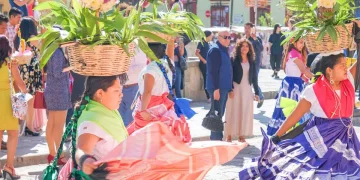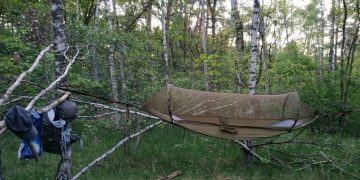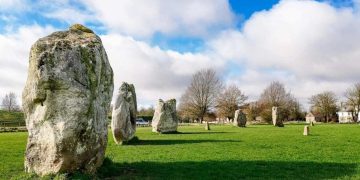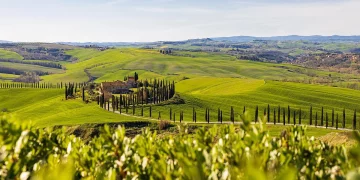










Field-based travel, sometimes referred to as “experiential countryside travel,” has become increasingly popular among travelers seeking immersive, educational, and sustainable experiences outside urban centers. Unlike traditional tourism, which often emphasizes sightseeing and passive observation, field-based travel engages participants in direct exploration, research, and interaction with rural landscapes, communities, and ecosystems.
This article provides a detailed examination of field-based travel, including its historical development, methodologies, benefits, logistical considerations, educational applications, ethical guidelines, and future trends. It is intended for travelers, educators, researchers, and professionals interested in combining adventure, learning, and cultural immersion.
1. Introduction to Field-Based Travel
1.1 Definition and Concept
- Field-based travel involves direct engagement with natural, agricultural, or rural environments, often incorporating hands-on activities, observation, and community interaction.
- Distinct from traditional tourism, it emphasizes learning, participation, and cultural exchange rather than solely visual enjoyment.
1.2 Historical Context
- The concept dates back to early scientific explorations and naturalist expeditions in the 18th and 19th centuries.
- Universities and research institutions have long utilized fieldwork to teach geography, biology, anthropology, and environmental studies.
- Today, field-based travel extends beyond academia to include cultural tourism, eco-tourism, and adventure travel.
1.3 Key Objectives
- Observation and documentation of rural ecosystems, agricultural practices, and traditional livelihoods.
- Immersion in local cultures and daily life.
- Development of practical skills and environmental awareness.
- Promotion of sustainable and responsible travel practices.
2. Types of Field-Based Travel
2.1 Ecological and Environmental Exploration
- Activities include biodiversity surveys, habitat mapping, and nature photography.
- Participation in conservation programs, wildlife monitoring, and ecological restoration projects.
- Example: Volunteers assisting in wetland preservation or forest reforestation.
2.2 Agricultural and Farming Experiences
- Learning about crop cultivation, animal husbandry, and organic farming techniques.
- Participation in seasonal harvests, vineyard work, or livestock care.
- Example: “Farm stays” in Europe, Asia, or South America, where travelers assist local farmers.
2.3 Cultural and Community-Based Exploration
- Interaction with rural communities to understand traditional practices, crafts, and social structures.
- Activities may include attending local festivals, craft workshops, or cooking sessions.
- Example: Villages in Southeast Asia or Africa offering community-guided tours and homestays.
2.4 Scientific and Educational Fieldwork
- Academic or citizen-science programs involving data collection, surveys, or experimental research.
- Example: Archaeological digs, geological surveys, or ethnographic studies in remote areas.
- Benefits include skill acquisition, research contributions, and applied learning.
2.5 Adventure and Outdoor Activities
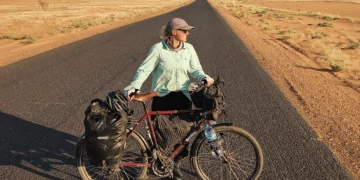
- Hiking, cycling, and camping in rural or wilderness settings as part of experiential learning.
- Encourages physical fitness, resilience, and environmental appreciation.
- Example: Trekking across rural trails, observing agricultural systems, or participating in river studies.
3. Planning Field-Based Travel
3.1 Research and Preparation
- Identify target destinations based on ecological, agricultural, or cultural significance.
- Research seasonal conditions, accessibility, local customs, and safety considerations.
- Determine required permits for protected areas, research activities, or community engagement.
3.2 Accommodation Options
- Homestays or local guesthouses for cultural immersion.
- Farm stays for hands-on agricultural experiences.
- Camping or eco-lodges for remote environmental exploration.
3.3 Essential Equipment and Materials
- Field notebooks, GPS devices, cameras, and observation tools for documentation.
- Appropriate clothing, footwear, and safety gear for outdoor conditions.
- Supplies for personal health and hygiene, especially in remote areas.
3.4 Health and Safety Considerations
- Vaccinations and travel insurance tailored to rural or wilderness travel.
- Awareness of local health risks, water quality, and food safety.
- Emergency plans and first aid preparedness for remote areas.
4. Methodologies for Field-Based Exploration
4.1 Observation and Documentation
- Systematic observation of landscapes, flora, fauna, and human activities.
- Note-taking, sketching, and photography to record findings accurately.
4.2 Participatory Engagement
- Active involvement in farming, community projects, or conservation initiatives.
- Learning through doing, rather than passive observation.
4.3 Research and Data Collection
- Use of structured surveys, sampling techniques, and experimental methods.
- Application in citizen science, ecology, anthropology, or agriculture.
- Example: Monitoring soil quality, crop yields, or wildlife populations.
4.4 Reflection and Analysis
- Daily journals or field reports to consolidate observations.
- Critical analysis of environmental, cultural, or social insights.
- Sharing findings with hosts, communities, or academic institutions when appropriate.
5. Cultural and Community Engagement
5.1 Interaction with Local Communities
- Participate in daily routines, festivals, and traditional practices.
- Respect hierarchical structures, social norms, and religious customs.
- Example: Learning traditional weaving techniques in Andean villages or rice planting in Asia.
5.2 Language and Communication
- Basic knowledge of local language or dialect enhances integration.
- Non-verbal communication and active listening are essential in areas with limited language proficiency.
- Learning through observation and guided interaction promotes mutual understanding.
5.3 Ethical Guidelines
- Avoid imposing external values or disrupting community routines.
- Ensure that participation is welcomed and contributes positively to local life.
- Maintain sensitivity regarding privacy, religious practices, and intellectual property.
6. Educational and Personal Development Benefits
6.1 Knowledge Acquisition
- Direct learning in biology, agriculture, geography, or anthropology.
- Experiential understanding of environmental systems and traditional knowledge.
6.2 Skill Development
- Practical skills: farming, ecological surveying, navigation, cooking, and crafting.
- Analytical skills: observation, documentation, and critical thinking.
6.3 Personal Growth
- Cultivates adaptability, problem-solving, and resilience.
- Enhances empathy, intercultural competence, and environmental stewardship.
6.4 Career and Academic Advantages
- Field-based experience supports academic research, professional development, and employability in environmental and cultural sectors.
- Provides material for publications, presentations, and community engagement projects.
7. Logistical Considerations
7.1 Travel and Transportation
- Access to rural or remote locations may require combination of trains, buses, or private vehicles.
- Planning for seasonal conditions (rain, snow, heat) is crucial.
7.2 Duration and Scheduling
- Optimal duration depends on activity type: short-term immersive stays or extended research projects.
- Incorporate buffer days for acclimatization, observation, and community interaction.
7.3 Budgeting
- Costs include accommodation, meals, local guides, permits, and equipment.
- Field-based travel can be cost-effective when using homestays or volunteer-supported programs.
7.4 Safety and Risk Management
- Remote areas may pose physical, environmental, and social risks.
- Emergency contacts, medical facilities, and communication devices are essential.
- Group travel or guided programs enhance safety for inexperienced travelers.
8. Sustainability and Ethical Considerations
8.1 Environmental Responsibility
- Minimize waste, pollution, and habitat disruption.
- Respect wildlife and natural resources, following “leave no trace” principles.
8.2 Social and Cultural Sustainability
- Engage in fair, ethical interactions with local communities.
- Support local economies through responsible spending.
- Avoid activities that commodify or exploit culture and heritage.
8.3 Long-Term Impact
- Encourage knowledge transfer and skill sharing with local communities.
- Promote conservation awareness and responsible tourism.
- Foster ongoing collaboration between travelers, researchers, and residents.
9. Case Studies of Field-Based Travel
9.1 Southeast Asia: Rural Agricultural Experiences
- In Thailand and Vietnam, travelers join rice planting, harvest festivals, and traditional cooking.
- Community participation strengthens economic resilience and cultural continuity.
9.2 Latin America: Ecological and Cultural Exploration
- In Ecuador and Peru, travelers assist in reforestation and community-led tourism programs.
- Observation of Andean farming systems provides insights into sustainable practices.
9.3 Europe: Countryside and Farm Stays
- Italy, France, and Spain offer vineyard work, cheese-making, and olive harvesting.
- Tourists gain practical knowledge of European agricultural practices while supporting rural livelihoods.
9.4 Africa: Environmental and Community Engagement
- In Kenya and Morocco, travelers participate in wildlife monitoring, irrigation projects, and local craft workshops.
- Field-based travel fosters understanding of traditional livelihoods and environmental challenges.
10. Combining Field-Based Travel with Modern Technology
10.1 Digital Tools
- GPS devices, apps, and mapping software facilitate navigation and documentation.
- Online platforms connect travelers with verified homestays, community projects, and field guides.
10.2 Remote Learning and Research
- Data collection apps and virtual collaboration allow integration with academic and professional projects.
- Field-based travel can contribute to citizen science initiatives worldwide.
10.3 Enhancing Cultural Understanding
- Social media and digital storytelling can document experiences while preserving cultural sensitivity.
- Virtual pre-trip orientation or post-trip reflection enhances learning outcomes.
11. Challenges and Solutions
11.1 Physical and Environmental Challenges
- Long hikes, extreme weather, and limited amenities require preparation.
- Solution: Proper gear, acclimatization, and risk assessment.
11.2 Cultural and Social Challenges
- Language barriers and unfamiliar customs may lead to misunderstandings.
- Solution: Learn basic language skills, practice active listening, and maintain flexibility.
11.3 Logistical Issues
- Transportation, accommodation, and communication can be limited in remote areas.
- Solution: Advanced planning, local guides, and contingency options.
12. Future Trends in Field-Based Travel
- Increased demand for sustainable and educational travel programs.
- Integration with eco-tourism and conservation initiatives.
- Use of digital tools for field research, virtual pre-orientation, and collaborative data collection.
- Expansion of multi-day and long-term immersion programs for deeper learning.
- Partnerships between travelers, universities, and NGOs for research and community development.
13. Conclusion
Field-based travel represents a transformative approach to exploration, combining adventure, education, and cultural immersion. By engaging directly with rural landscapes, local communities, and natural ecosystems, travelers acquire practical knowledge, intercultural competence, and environmental awareness.
Ethically and sustainably conducted field-based travel benefits both participants and host communities, fostering mutual understanding, economic development, and cultural preservation. Unlike traditional tourism, it emphasizes active participation, observation, and reflection, creating experiences that are not only memorable but profoundly educational.
For modern travelers, educators, and researchers, field-based travel is more than a leisure activity—it is a holistic journey into the fabric of rural life, cultural practices, and natural ecosystems. The field becomes both a classroom and a laboratory, offering lessons in sustainability, humanity, and global interconnectedness.