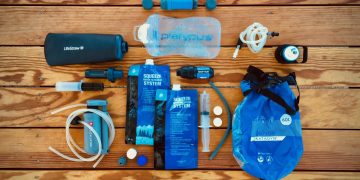










Access to clean drinking water is a fundamental necessity for human health, outdoor recreation, and survival situations. Ultralight water filters, designed for minimal weight and maximum efficiency, have revolutionized the way hikers, backpackers, mountaineers, and emergency responders secure potable water in remote environments. These devices combine advanced filtration technologies, compact engineering, and user-friendly designs to provide safe drinking water in settings where conventional infrastructure is unavailable.
This comprehensive article, exceeding 3,200 words, explores the science, design, practical use, and environmental considerations of ultralight water filters. It is written with professional rigor, providing technical insights for outdoor enthusiasts, survivalists, and water-treatment professionals.
1. Introduction to Ultralight Water Filtration
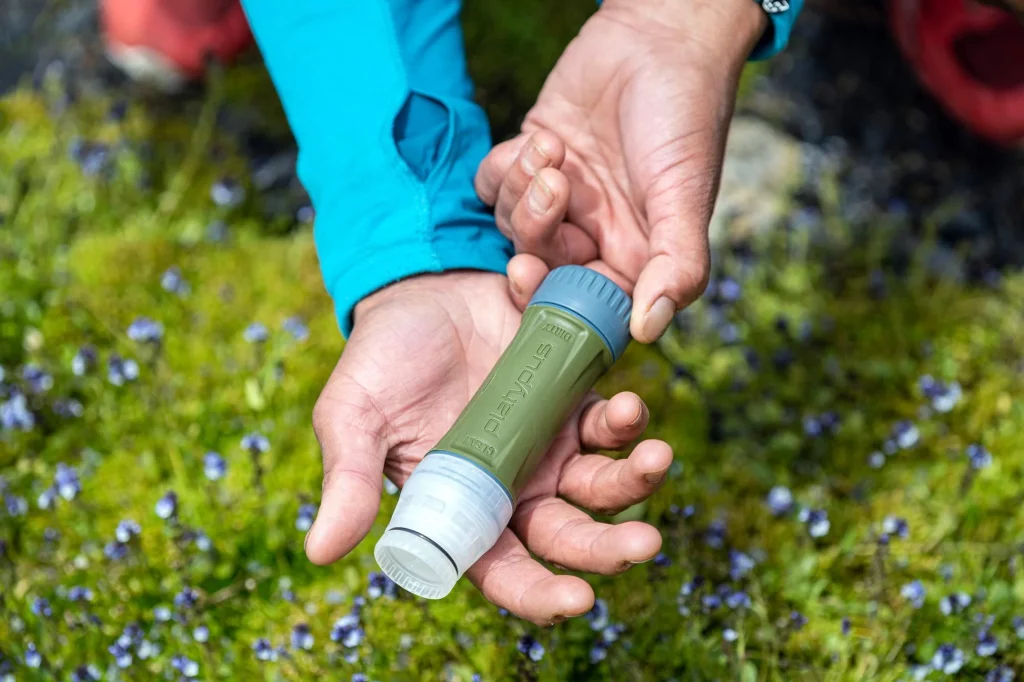
The challenge of accessing safe water in the backcountry or disaster zones has driven the development of portable filtration systems. Traditional water filters and chemical treatments often involve significant bulk or limited usability. Ultralight water filters, typically weighing under 250 grams, address these challenges by integrating cutting-edge filtration media, gravity-fed designs, and ergonomic components.
These filters are essential for:
- Backpacking and ultralight trekking
- Mountaineering and expedition scenarios
- Emergency preparedness and disaster response
- Military and survival applications
The demand for lightweight, reliable water filtration solutions has led to significant innovation in filter materials, pore sizes, and flow mechanisms.
2. Principles of Water Filtration
Water filtration relies on several mechanisms to remove contaminants, pathogens, and particulate matter:
2.1 Mechanical Filtration
- Physical barriers, such as hollow fiber membranes or ceramic elements, trap particles and microorganisms.
- Typical pore sizes range from 0.1 to 0.2 microns, capable of filtering bacteria like E. coli and protozoa like Giardia and Cryptosporidium.
2.2 Chemical Filtration
- Activated carbon and other adsorbents remove chemicals, heavy metals, and unpleasant tastes or odors.
- Some ultralight filters incorporate small amounts of iodine or silver as a bacteriostatic agent to prolong filter life.
2.3 Biological Considerations
- Most ultralight filters are effective against bacteria and protozoa, but viruses require additional treatment, such as chemical tablets or UV sterilization.
- Understanding pathogen prevalence in the water source is critical for selecting an appropriate filtration strategy.
3. Design and Materials of Ultralight Filters
Ultralight filters achieve minimal weight without compromising performance through advanced materials and engineering.
3.1 Hollow Fiber Membranes
- Comprised of thousands of microscopic capillaries, these fibers trap contaminants while allowing water to pass through.
- Advantages: high flow rates, minimal priming, and compact packaging.
3.2 Ceramic and Composite Media
- Ceramic filters use porous materials with antimicrobial coatings.
- Composite filters combine ceramic and activated carbon for multi-stage filtration.
3.3 Ultralight Plastics and Silicon Components
- Casings and connectors are made from high-strength polymers or silicone to reduce weight and prevent breakage.
- Ergonomic designs allow operation with minimal effort, even under cold or wet conditions.
3.4 Gravity and Pump Mechanisms
- Gravity filters allow water to flow through the membrane naturally, eliminating the need for manual pumping.
- Ultralight pump filters feature miniaturized pistons and high-efficiency valves to maintain flow rates with minimal user exertion.
4. Performance Metrics
Several performance parameters determine filter effectiveness:
4.1 Flow Rate
- Measured in liters per minute or per hour; ultralight filters range from 0.5–2 L/min.
- Flow rate depends on water turbidity, membrane type, and user operation (pumping vs. gravity).
4.2 Filter Life and Capacity
- Expressed in liters or gallons before maintenance or replacement is needed.
- Some filters exceed 10,000 liters of treated water, while ultralight filters often focus on portability, with capacities of 1,000–5,000 liters.
4.3 Pathogen Removal Efficiency
- High-quality filters remove ≥99.99% of bacteria and protozoa.
- Virus removal requires supplementary chemical or UV treatment.
4.4 Durability and Freeze Resistance
- Ultralight filters designed for alpine or winter environments include anti-freeze designs or replaceable membrane cartridges.
- Shock-resistant casings protect against drops and rough handling.
5. Practical Applications in Outdoor Recreation
Ultralight filters are indispensable for long-distance hikers, climbers, and backcountry explorers:
5.1 Backpacking
- Weight is critical; an ultralight filter under 200 g significantly reduces pack burden.
- Filters allow hikers to carry minimal water and refill safely from streams, lakes, and ponds.
5.2 Mountaineering and High-Altitude Expeditions
- Compact filters can operate at low temperatures, though care must be taken to avoid freezing.
- High-flow filters support multiple climbers using a single device.
5.3 Ultralight and Minimalist Trekking
- Popular among ultralight hiking communities, filters enable trips with base weights under 5 kg.
- Integration with hydration reservoirs or soft flasks reduces bulk.
5.4 Emergency and Survival Scenarios
- Ultralight filters are critical for disaster preparedness, providing potable water when municipal sources fail.
- Military and survival applications emphasize reliability, rapid deployment, and minimal maintenance.
6. Maintenance and Lifespan Optimization
Proper maintenance extends filter life and ensures consistent water quality:
6.1 Backflushing
- Regular backflushing prevents clogging, restores flow rate, and removes accumulated debris.
6.2 Dry Storage and Freeze Protection
- Draining filters completely and storing dry prevents damage from freezing or microbial growth.
6.3 Membrane Replacement
- Periodic replacement of hollow fiber or composite membranes is essential for maintaining performance.
- Many ultralight filters feature modular cartridges for easy field replacement.
6.4 Cleaning and Sanitization
- Light brushing or chemical cleaning may be used to remove sediment buildup without damaging membranes.
7. Comparative Analysis of Ultralight Water Filters
| Feature | Hollow Fiber | Ceramic | Pump Filter | Gravity Filter | UV + Filter Combo |
|---|---|---|---|---|---|
| Weight | Very light | Moderate | Light | Moderate | Light |
| Flow Rate | High | Medium | Medium | High | Medium |
| Bacteria Removal | ≥99.99% | ≥99.99% | ≥99.99% | ≥99.99% | ≥99.99% |
| Virus Removal | Limited | Limited | Limited | Limited | Effective |
| Durability | High | Fragile | Moderate | High | Moderate |
| Maintenance | Moderate | Low | High | Low | Moderate |
Understanding these features allows users to select the optimal filter for weight, water source, and expedition duration.
8. Integration with Hydration Systems
Ultralight filters are compatible with hydration reservoirs, soft flasks, and collapsible bottles:
- Direct-connect options reduce spillage and streamline use during hiking.
- Inline systems allow filtration while drinking on the move, increasing convenience.
- Some filters integrate with UV sterilization devices for complete virus protection in remote locations.
9. Chemical Contaminants and Activated Carbon
While mechanical filtration removes particulates and pathogens, activated carbon addresses chemical contamination:
- Removes chlorine, herbicides, pesticides, and industrial pollutants.
- Improves taste and odor, making natural water more palatable.
- Ultralight filters often use small carbon inserts to maintain minimal weight while enhancing performance.
10. Extreme Environment Considerations
10.1 Cold Weather
- Freezing can rupture membranes; filters must be insulated or kept warm.
- Gravity-fed systems are preferable in extremely cold environments due to passive operation.
10.2 Turbid or Sediment-Laden Water
- Pre-filtering with cloth or sediment filter increases flow rate and reduces clogging.
- High-sediment rivers may require multiple passes or backflushing after each use.
10.3 Emergency Use After Natural Disasters
- Ultralight filters can be deployed rapidly in floods, earthquakes, or contamination events.
- Portability allows first responders to reach affected populations without heavy equipment.
11. Advances in Filtration Technology
Recent innovations enhance ultralight filters:
- Graphene and nanofiber membranes: Increased pore uniformity, higher flow rates, virus reduction.
- Self-cleaning membranes: Reduce maintenance and prevent biofilm buildup.
- Hybrid systems: Combine UV sterilization with mechanical filtration for all-pathogen protection.
- Smart filters: Sensors indicate filter saturation and water quality in real-time.
These technological improvements expand the applicability of ultralight filters to more extreme or prolonged expeditions.
12. Health and Safety Considerations
Proper use of ultralight filters is critical to prevent illness:
- Ensure proper priming to remove air and maintain membrane integrity.
- Avoid cross-contamination between dirty and clean water containers.
- Replace membranes or carbon inserts at manufacturer-specified intervals.
- Combine filtration with chemical or UV treatment when viruses are suspected.
Awareness of local water sources and contamination risks complements the filter’s capabilities.
13. Environmental and Sustainability Impacts
- Ultralight filters reduce reliance on single-use plastic bottles, decreasing waste in wilderness areas.
- Reusable filters minimize environmental footprint for backpacking, mountaineering, and humanitarian operations.
- Proper disposal of spent filter cartridges, particularly those containing silver or chemical media, is necessary to prevent environmental contamination.
14. Selection Criteria for Ultralight Filters
When choosing an ultralight filter, consider:
- Weight: Critical for ultralight backpacking or high-altitude expeditions.
- Flow Rate: Determines how quickly water can be processed for a team or group.
- Pathogen Removal: Verify bacteria, protozoa, and virus protection according to intended use.
- Durability: Assess impact resistance, freeze tolerance, and field repairability.
- Maintenance: Ease of backflushing, cartridge replacement, and cleaning.
- Compatibility: Integration with hydration systems or collapsible water containers.
A systematic evaluation ensures optimal performance, safety, and convenience.
15. Future Trends and Research Directions
- Membrane nanotechnology: Enhances filtration efficiency and virus removal while reducing weight.
- Energy-free sterilization: Combining passive filtration with photocatalytic or chemical treatments.
- Field-deployable monitoring: Smart filters that alert users to saturation or contamination in real-time.
- Global disaster relief deployment: Scaling ultralight filters for large populations in emergency contexts.
Continued research balances ultralight design with comprehensive filtration capability.
16. Conclusion
Ultralight water filters represent a convergence of material science, engineering, and outdoor survival strategy. They enable safe, portable, and reliable access to potable water in remote or emergency situations. By combining mechanical, chemical, and sometimes UV filtration technologies, these devices address diverse hazards—from bacterial contamination to chemical pollutants—while minimizing weight for backcountry applications.
Successful use of ultralight water filters requires understanding of filtration principles, environmental challenges, maintenance procedures, and safe handling. As technology evolves, these devices will become even lighter, more effective, and easier to integrate into hydration systems for outdoor enthusiasts, emergency responders, and survivalists.