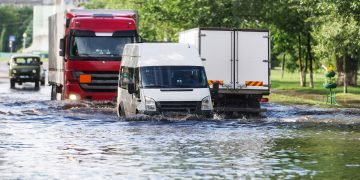










Natural disasters come in many forms, and some of the most immediate and dangerous events can be sudden and overwhelming. Among the most unpredictable and hazardous phenomena are flash floods, blizzards, and sandstorms. These extreme weather conditions can strike without warning, causing widespread destruction, disruption, and loss of life. Understanding how to prepare for, survive, and respond to these events is essential for ensuring safety during the most intense weather events.
This article will explore the risks associated with flash floods, blizzards, and sandstorms, providing a comprehensive guide on how to respond to each of these natural disasters. From preparedness and early warning systems to specific survival strategies, this article offers critical insights for those who live in, or may be traveling to, areas prone to these extreme weather conditions.
Introduction: The Power and Perils of Nature’s Fury
In many parts of the world, the effects of flash floods, blizzards, and sandstorms can be devastating. These disasters are not only destructive but can also occur with little to no warning, leaving individuals and communities with limited time to react. Flash floods, for example, can inundate entire neighborhoods within minutes, while a blizzard can trap people in their homes or vehicles for days. Sandstorms, on the other hand, can blanket vast areas with dust, reducing visibility and endangering health.
Being prepared for these events can mean the difference between life and death. Whether you are in a floodplain, a snow-prone region, or an arid area subject to dust storms, knowing the proper response strategies and having the right equipment can help minimize risks and maximize your chances of survival.
Flash Floods: When Water Rages
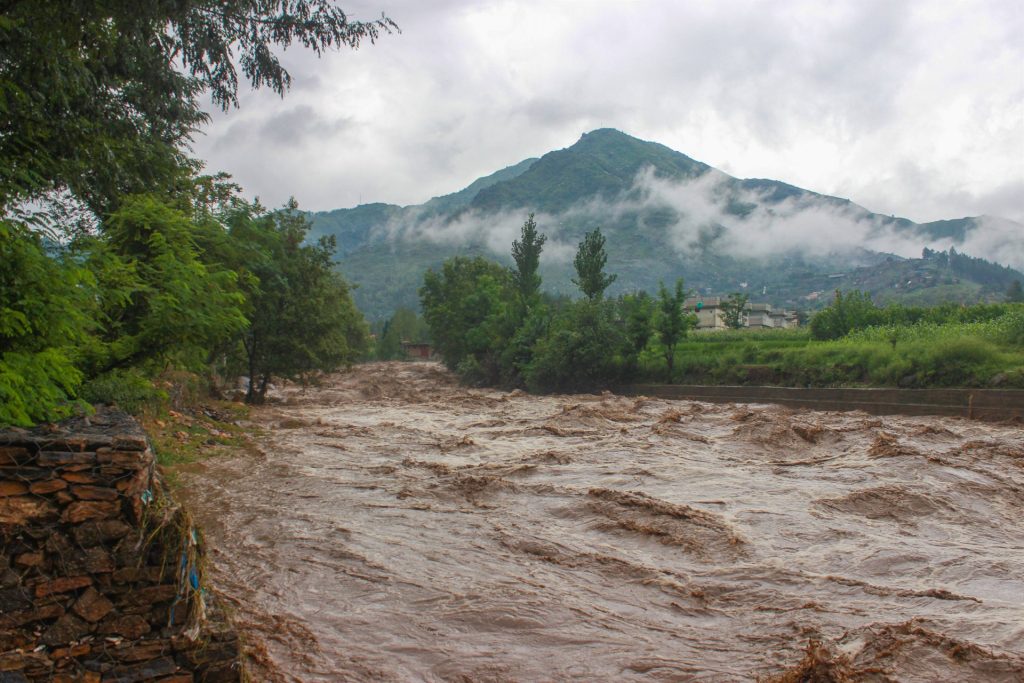
Flash floods are rapid-onset floods that occur within six hours of intense rainfall or other events, such as dam breaks or the rapid melting of snow. These floods can develop with alarming speed and are capable of sweeping away vehicles, buildings, and entire communities. Flash floods can occur in areas that are typically dry, especially during heavy rainstorms in deserts or mountainous regions.
Flash Flood Causes and Risks
The primary causes of flash floods include:
- Heavy rainfall: Intense rain, often in a short period, overwhelms drainage systems and causes water to rise rapidly.
- Dam or levee failure: A breach in a dam or levee can result in an immediate and catastrophic flood.
- Snowmelt: A sudden rise in temperature or a rapid thaw can cause large amounts of snow to melt and flood nearby rivers or streams.
- Poor urban drainage: In densely populated areas, inadequate drainage systems can lead to flash flooding in urban environments.
Flash floods pose significant dangers, including:
- Rapid water movement: Flash floods often occur in mountainous or canyon areas, where water can move at extremely fast speeds, sweeping away anything in its path.
- Debris flow: Water can carry large amounts of debris, such as trees, rocks, and cars, increasing the potential for injury and death.
- Suddenness: Flash floods often occur with little to no warning, making evacuation or other forms of escape challenging.
How to Prepare for and Respond to Flash Floods
1. Emergency Preparedness:
- Know your flood risk: If you live or work in an area prone to flash floods, it’s important to understand the flood zones. Floodplain maps provided by local authorities can help assess your risk.
- Create an emergency plan: Make sure that everyone in your household knows what to do in case of a flood. Identify safe locations (such as high ground) and establish evacuation routes.
- Prepare an emergency kit: Your kit should include essentials like water, non-perishable food, first-aid supplies, flashlights, batteries, important documents, and a battery-powered weather radio.
- Install sump pumps and flood barriers: If you live in an area at high risk, ensure that your home is equipped with sump pumps and flood barriers to prevent water from entering.
2. Survival Strategies During Flash Floods:
- Move to higher ground: If you are caught in a flood, immediately move to higher ground, away from streams, rivers, or drainage ditches.
- Avoid waterlogged roads: If you’re driving, avoid traveling on roads that are prone to flooding. Do not attempt to drive through standing water as it may be deeper than it appears.
- Stay informed: Keep up with weather reports via radio, television, or mobile apps. In some regions, flash flood warnings are issued via local authorities or weather services.
3. After the Flood:
- Wait for official clearance: Don’t return to your home or the area until authorities confirm it is safe.
- Avoid contaminated water: Floodwater can be contaminated with chemicals, sewage, or debris. Use bottled water for drinking and washing until it is safe to use local water supplies again.
Blizzards: The Deadly Winter Storm
Blizzards are severe winter storms characterized by heavy snowfall, strong winds, and low visibility. These conditions can be life-threatening, particularly when combined with extremely low temperatures and icy roads. Unlike regular snowstorms, blizzards involve sustained winds of at least 35 mph (56 km/h), with visibility reduced to less than a quarter mile due to blowing snow.
Blizzard Causes and Risks
Blizzards typically occur in regions with cold winters, but they can be triggered by various factors:
- Cold air masses: When cold air interacts with moist air, it can lead to intense snowfall and blizzard conditions.
- Low-pressure systems: These weather systems can create the atmospheric conditions necessary for blizzards, especially in the winter months.
The dangers of blizzards include:
- Hypothermia: Prolonged exposure to cold temperatures in a blizzard can lead to hypothermia, a life-threatening condition where the body loses heat faster than it can produce it.
- Whiteout conditions: Blizzards often create whiteout conditions, where visibility is reduced to near zero, making it nearly impossible to navigate.
- Vehicle accidents: Icy roads and snow buildup can make driving treacherous, leading to accidents or drivers getting stranded.
How to Prepare for and Respond to a Blizzard
1. Emergency Preparedness:
- Know your local weather patterns: Stay informed about the winter weather forecast, especially if you live in a region that is prone to blizzards.
- Create a winter emergency kit: Include items like a thermal blanket, extra clothing, a flashlight, a first-aid kit, non-perishable food, water, and a shovel.
- Maintain your vehicle: Ensure your vehicle is winter-ready, with snow tires, a full tank of gas, and emergency supplies such as blankets, a flashlight, and snacks.
- Winterize your home: Insulate windows and doors, and make sure your heating system is working efficiently.
2. Survival Strategies During a Blizzard:
- Seek shelter immediately: If you’re caught outside during a blizzard, seek shelter in a building, vehicle, or any available structure.
- Limit outdoor exposure: Avoid unnecessary travel during a blizzard. If you must go outside, dress in layers and cover all exposed skin.
- Conserve energy: If you are stranded in a vehicle or a building, stay as warm as possible by wearing extra layers and keeping your body active to generate heat.
3. After the Blizzard:
- Wait for conditions to improve: Wait until the blizzard has passed before venturing out. In many cases, roads will be blocked, and it may not be safe to leave immediately.
- Check for damage: After a blizzard, check your home for structural damage, such as collapsed roofs or broken windows.
Sandstorms: Navigating the Desert Fury
Sandstorms are powerful natural events that occur in arid and semi-arid regions, particularly in deserts. These storms are characterized by strong winds that pick up sand and dust particles, creating an almost impenetrable cloud of debris that can reduce visibility to near zero. Sandstorms can last from a few minutes to several hours, and their intensity can vary depending on the geographical location and weather conditions.
Sandstorm Causes and Risks
Sandstorms occur when:
- Strong winds stir up loose sand and dust in arid regions, creating a dense, swirling cloud.
- Dry conditions exacerbate the situation, as the lack of moisture allows sand and dust to become airborne more easily.
The dangers of sandstorms include:
- Reduced visibility: Sandstorms can create a “white-out” effect, making it almost impossible to see more than a few feet ahead.
- Health risks: Prolonged exposure to the sand and dust in a storm can cause respiratory issues, eye irritation, and dehydration.
- Vehicle hazards: Driving during a sandstorm can be treacherous, with high winds making it difficult to maintain control of vehicles.
How to Prepare for and Respond to Sandstorms
1. Emergency Preparedness:
- Know your area: If you live or travel in a region prone to sandstorms, familiarize yourself with the weather patterns and learn when these storms are most likely to occur.
- Create a sandstorm survival kit: Include items like face masks, goggles, water, extra clothing, and emergency supplies to help protect yourself during a storm.
2. Survival Strategies During a Sandstorm:
- Take shelter indoors: If possible, stay indoors during a sandstorm. Seal windows and doors to prevent sand from entering your living space.
- Wear protective gear: If you are caught outside, cover your nose and mouth with a cloth or mask to reduce the inhalation of dust and sand. Goggles will help protect your eyes from irritation.
- Avoid driving: If you are in a vehicle, pull over safely to the side of the road, turn on your hazard lights, and wait for the storm to pass. Do not attempt to drive in low visibility conditions.
3. After the Sandstorm:
- Assess damage: Once the storm has passed, check for damage to buildings, vehicles, and equipment. Be cautious of the potentially hazardous conditions created by the storm, including fallen trees, debris, or hazardous materials that may have been blown around.
- Clean up: After the storm, it may be necessary to clean your home, vehicles, or gear of sand and dust to prevent further damage.
Conclusion: Staying Prepared for Nature’s Fury
Flash floods, blizzards, and sandstorms are powerful reminders of nature’s unpredictability. While we cannot control the weather, we can control how we prepare for and respond to these events. With the right knowledge, equipment, and survival strategies, individuals can greatly increase their chances of staying safe during these extreme weather conditions.
Preparation is key. By staying informed, creating emergency plans, and carrying the proper gear, you can be ready to face the fury of nature’s most dangerous weather events. Whether you live in an area prone to flash floods, heavy snow, or dust storms, understanding how to act quickly and effectively is crucial for survival.