









Introduction
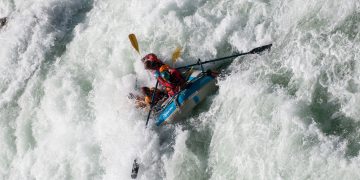
Winter whitewater kayaking, often referred to as cold water rapid kayaking, represents one of the most physically demanding and technically challenging disciplines in paddle sports. Unlike traditional kayaking on calm or temperate waters, winter rivers combine extreme currents, freezing temperatures, and unpredictable conditions, creating an environment that tests the limits of human skill, preparation, and endurance.
The sport’s resurgence in recent years is fueled by thrill-seekers who crave both adrenaline and connection with nature. Beyond the excitement, winter whitewater kayaking requires a deep understanding of hydrodynamics, hypothermia prevention, and advanced rescue techniques. This article delves into the nuances of winter kayaking, including its technical demands, gear requirements, safety protocols, environmental considerations, and the growing community and culture surrounding cold water paddling.
1. Understanding Winter Whitewater Conditions
1.1 Hydrological Characteristics
Winter rivers are fundamentally different from their spring and summer counterparts due to:
- Higher Flow Rates: Snowmelt and seasonal precipitation create sudden surges, producing extreme currents and hydraulics.
- Cold Water Temperatures: Water temperatures often approach freezing, significantly increasing the risk of hypothermia.
- Ice and Debris: Ice sheets, frozen overhangs, and submerged logs create unique obstacles that demand heightened vigilance.
These conditions create a dynamic and constantly changing environment, requiring paddlers to maintain acute awareness of both the river and their own physical limits.
1.2 Seasonal Variations
Winter whitewater varies regionally, influenced by climate, snowpack, and rainfall:
- Mountain Rivers: Often fed by snowmelt, creating fast-flowing rapids interspersed with cold pools.
- Lowland Rivers: These may freeze partially or develop thin ice sheets, requiring careful navigation around ice hazards.
- Weather Influence: Sudden temperature drops, wind chill, and snowfall can alter river flow and safety conditions within hours.
2. Technical Challenges of Cold Water Rapids
2.1 Paddling Dynamics
Winter whitewater demands refined paddling techniques due to the combination of speed, cold, and environmental hazards:
- Stroke Precision: Cold water reduces dexterity; paddlers must rely on efficient, controlled strokes to maintain balance.
- Eddy and Current Navigation: Reading and using eddies, hydraulics, and strainers is critical to avoiding capsizing.
- Rapid Entry and Exit: High flow rates require quick and decisive maneuvers, especially in technical sections like drops, wave trains, and ledges.
2.2 Psychological Stress
Paddlers face additional mental challenges in winter conditions:
- Cold Shock Response: Sudden immersion in cold water triggers hyperventilation and reduced motor control, which can impair decision-making.
- Risk Management: The presence of ice and high-velocity water heightens perceived danger, demanding mental resilience and focus.
- Team Coordination: Communicating in freezing conditions is difficult, so strong teamwork and pre-planned signals are essential.
3. Essential Gear for Winter Whitewater Kayaking
3.1 Kayak Selection
- Material: Cold water kayaking favors durable, impact-resistant kayaks, typically made from high-density polyethylene or composite materials.
- Design: Whitewater kayaks with rocker profiles provide enhanced maneuverability for navigating tight rapids.
- Insulation: Some kayaks can be retrofitted with deck insulation or spray skirts to reduce exposure to freezing water.
3.2 Personal Protective Equipment (PPE)
- Dry Suit: A waterproof and insulated dry suit is essential to maintain core body temperature.
- Thermal Layers: Moisture-wicking base layers and mid-layers enhance warmth without restricting movement.
- Helmet and PFD: Standard whitewater safety gear, including a whitewater helmet and properly fitted personal flotation device (PFD), is mandatory.
- Gloves and Footwear: Neoprene gloves and river boots protect extremities from cold-related injuries, such as frostbite.
3.3 Additional Equipment
- Spray Skirt: Ensures water does not enter the cockpit during immersion or rough waves.
- Throw Rope and Rescue Gear: Essential for self-rescue and assisting teammates in high-risk sections.
- Communication Devices: Waterproof radios or signaling devices enable coordination and emergency response.
- First Aid Kit: Must include hypothermia treatment supplies, thermal blankets, and emergency thermal packs.
4. Safety Protocols and Risk Management
4.1 Hypothermia Prevention
Cold water immersion poses a serious risk of hypothermia, which can occur in minutes at near-freezing temperatures. Preventive strategies include:
- Layering and Insulation: Using a dry suit with thermal layers to maintain core warmth.
- Minimizing Exposure: Reducing time spent in water and avoiding prolonged capsizing.
- Buddy System: Constant monitoring by team members ensures rapid response if someone shows hypothermia symptoms.
4.2 Advanced Rescue Techniques
Winter whitewater requires specialized rescue skills:
- Self-Rescue: Techniques such as rolls, bracing, and edging become critical in fast, cold water.
- Team Rescue: Throw bag deployment, ferrying to shore, and using ice anchors or ropes are necessary for extracting paddlers safely.
- Emergency Evacuation Planning: Identifying accessible shorelines and maintaining clear escape routes is essential.
4.3 Weather and Environmental Awareness
- Weather Monitoring: Checking forecasts for temperature, wind, and precipitation can prevent unexpected hazards.
- Ice Conditions: Understanding ice formation patterns helps avoid trapped or pinned kayaks.
- Water Flow Rates: Awareness of current speed and river gauge readings ensures paddlers enter rivers within their skill capacity.
5. Training and Physical Preparation
5.1 Physical Conditioning
Winter kayaking demands full-body strength, endurance, and flexibility:
- Upper Body and Core: Essential for paddling efficiency and stability.
- Leg Strength: Critical for edging, bracing, and maintaining kayak control.
- Cardiovascular Fitness: Enables paddlers to cope with cold shock and high-intensity bursts required in rapids.
5.2 Cold Water Acclimatization
- Gradual exposure to cold water conditions reduces the physiological shock response.
- Practicing in progressively colder rivers or lakes helps build tolerance and confidence.
- Learning breathing control techniques mitigates panic during unexpected immersion.
5.3 Technical Skill Development
- Rolling and bracing in a controlled environment before tackling winter rapids is essential.
- Navigating ice-laden currents, tight gorges, and turbulent drops requires repetitive skill practice.
- Team drills for rescue scenarios enhance preparedness and reduce response time in emergencies.
6. Environmental and Ethical Considerations
6.1 Minimizing Environmental Impact
Winter rivers are sensitive ecosystems, and paddlers must tread lightly:
- Avoid disturbing wildlife habitats along riverbanks.
- Follow leave-no-trace principles to prevent pollution.
- Minimize erosion by using established entry and exit points.
6.2 Respecting Seasonal Ecosystems
- Many species rely on winter rivers for spawning or migration, and paddlers should avoid disrupting these processes.
- Ice formation and freezing conditions often stress aquatic life; limiting noise and physical interference reduces ecological impact.
7. Community and Culture of Winter Whitewater Kayaking
7.1 Adventurer Mindset
Winter kayaking is not just a sport—it’s a lifestyle:
- Participants often value resilience, adaptability, and mental toughness.
- The cold water environment fosters a strong sense of community among paddlers, with collaboration and mutual support being paramount.
7.2 Competitions and Expeditions
- Winter kayaking has inspired extreme kayaking competitions and expedition-style journeys in remote rivers.
- Documented challenges, like Alaskan or Scandinavian winter river runs, highlight both the sport’s technical complexity and aesthetic appeal.
7.3 Modern Media and Influence
- Social media platforms feature winter kayaking expeditions, inspiring new paddlers to embrace cold water challenges.
- Films, documentaries, and online tutorials contribute to the sport’s growing popularity, emphasizing safety, preparation, and respect for nature.
Conclusion
Winter whitewater kayaking represents the apex of paddling challenges, blending physical rigor, technical skill, and mental resilience. Cold water, extreme currents, and unpredictable environmental conditions create a unique adventure that pushes paddlers to their limits. Success requires meticulous preparation, advanced gear, robust safety protocols, and continuous skill development.
Far from being purely a thrill-seeking endeavor, winter kayaking also fosters a deep connection to nature, respect for fragile ecosystems, and a profound sense of accomplishment. As more adventurers embrace cold water rapids, the sport continues to grow, offering unparalleled experiences that combine adrenaline, challenge, and natural beauty.