









The wilderness is an awe-inspiring and unforgiving environment, where natural beauty often coexists with some of the harshest and most extreme weather conditions on Earth. From the freezing temperatures of the Arctic to the scorching heat of the desert, extreme weather moments in the wilderness can turn even the most experienced adventurer’s journey into a life-threatening ordeal. Understanding these extreme weather conditions, the survival strategies needed to endure them, and how they shape both ecosystems and human experiences is crucial for anyone who ventures into the wild.
In this article, we explore the various types of extreme weather conditions found in wilderness environments, discuss the impacts they have on the landscape and the people who inhabit these regions, and highlight the critical survival strategies required to navigate such conditions. Whether you’re planning an outdoor expedition or simply fascinated by the power of nature, this exploration of extreme wilderness weather offers valuable insights into the unpredictable forces of the natural world.
1. Introduction: The Wild’s Unpredictable Climate
The wilderness offers some of the most spectacular and pristine environments on Earth, but these places are not always kind. Extreme weather is a constant threat in the wild, and understanding how to deal with it is a fundamental skill for survivalists, adventurers, and outdoor enthusiasts. These moments of extreme weather are not only challenging but also critical tests of human endurance, adaptability, and resilience.
Whether it’s a blizzard sweeping through the North American wilderness, a sandstorm in the Sahara, or the unpredictable monsoon rains in the Amazon rainforest, each wilderness has its own set of extreme weather conditions. These conditions vary greatly based on geographic location, season, and time of day, and they can change in a matter of minutes, making preparedness a key component of surviving in such environments.
2. Types of Extreme Wilderness Weather
Extreme weather conditions in wilderness areas can be categorized into a few distinct types, each with unique challenges and dangers. These conditions not only impact the survival of those who venture into the wilderness but also affect the ecosystems and wildlife that call these areas home. Understanding these types of weather is the first step in preparing for an expedition into the wild.
2.1 Subzero Temperatures and Snowstorms (Polar and High-Altitude Environments)
In the polar regions and high-altitude areas, freezing temperatures are a constant threat. Winters in these regions can bring blizzards, freezing rain, and snowstorms that can quickly change an ordinary adventure into a life-or-death situation. In the Arctic, Antarctica, and mountainous areas such as the Himalayas or the Andes, extreme cold and snow present unique survival challenges.
- Challenges:
- Risk of hypothermia and frostbite
- Difficulty in finding food and water
- Limited visibility and disorientation due to snowstorms
- Risk of avalanche in mountainous regions
- Survival Strategies:
- Wear layered clothing that provides insulation and protects from the wind
- Build shelters that can withstand strong winds and heavy snow accumulation
- Keep dry at all times, as wet clothing increases the risk of hypothermia
- Know how to use snow and ice to your advantage for water and shelter
- Use natural markers to navigate when visibility is low
2.2 Desert Heat and Sandstorms (Desert and Semi-Arid Climates)
On the opposite end of the spectrum are the scorching hot deserts, where temperatures can reach extreme highs during the day, only to plummet sharply at night. Deserts like the Sahara, Atacama, and Mojave can present dangers not only from heat and dehydration but also from sandstorms that obscure vision and make movement nearly impossible.
- Challenges:
- Risk of dehydration and heatstroke
- Lack of shade and shelter
- Disorientation from sandstorms and lack of navigational landmarks
- Exposure to the intense sun and high temperatures
- Survival Strategies:
- Always carry ample water and know how to find it
- Protect your skin from the sun using clothing or natural barriers like caves or rocks
- Travel during the cooler parts of the day—early morning or late afternoon
- Find shelter from sandstorms, either by digging into the sand or finding natural rock formations
- Recognize signs of heatstroke and take immediate action to cool down
2.3 Torrential Rains and Flooding (Tropical Rainforests and Wetlands)
Tropical rainforests, wetlands, and coastal areas often experience heavy rainfall and intense monsoons. The Amazon, Congo Basin, and Southeast Asia’s jungles are some of the world’s rainiest places, where rain can fall heavily for days or weeks at a time, causing rapid flooding. These deluges can make travel difficult and dangerous, especially if you are unprepared for the force of the water.
- Challenges:
- Flash flooding and rapid changes in water levels
- Swollen rivers that become impassable
- Risk of hypothermia due to prolonged exposure to wet conditions
- Increased risk of insect-borne diseases, such as malaria and dengue fever
- Survival Strategies:
- Stay elevated above the floodwaters, using trees or rocks as natural platforms
- Construct waterproof shelters that provide some protection from the rain
- Keep gear dry by using waterproof bags or tarps
- Navigate carefully, using the changing water levels to determine safe routes
- Carry mosquito protection and consider using insect repellent to avoid bites
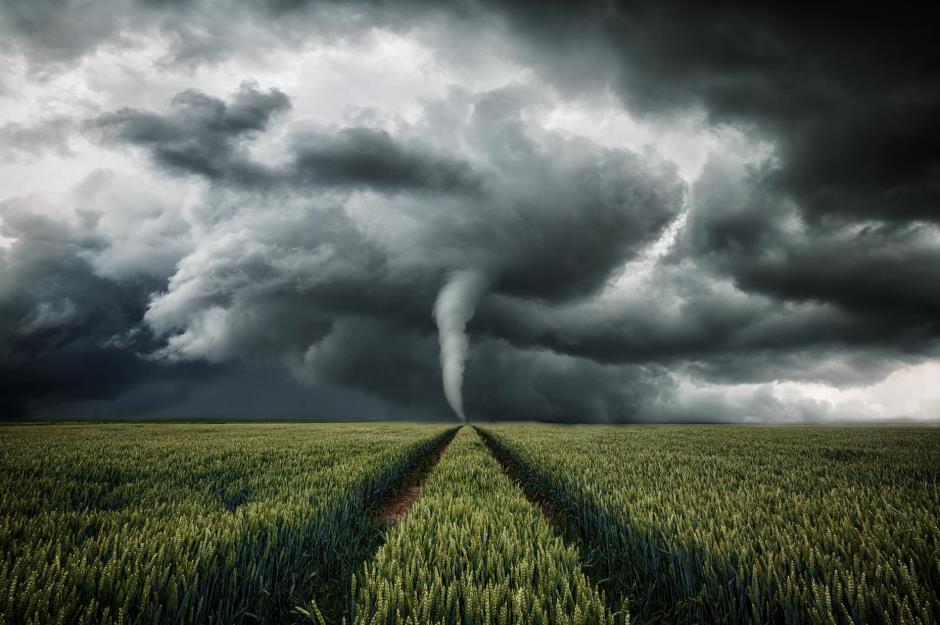
2.4 Extreme Winds and Tornadoes (Temperate and Storm-Prone Regions)
In temperate regions, such as parts of North America, Europe, and Australia, extreme winds and tornadoes can pose significant risks to those in the wilderness. These storms, which bring strong gusts of wind, rain, and sometimes hail, can uproot trees, cause flash floods, and leave landscapes completely changed.
- Challenges:
- Strong winds that can uproot trees and debris that may cause injury
- Risk of being caught in a tornado or lightning storm
- Flash flooding and dangerous mudslides in mountainous areas
- Survival Strategies:
- Seek shelter immediately in low-lying areas or underground if tornadoes are present
- Use natural windbreaks such as rocks, cliffs, or dense foliage to protect yourself
- Keep a safe distance from trees, especially dead or weak ones, that may fall in high winds
- Avoid being near water sources during storm conditions to prevent flooding risks
- Be aware of lightning risks in storm-prone areas and find shelter in sturdy structures or caves
3. Impacts of Extreme Weather on Wilderness Ecosystems
Extreme weather doesn’t just affect humans; it also has profound impacts on the flora and fauna of the wilderness. Whether it’s a sudden heatwave, a flash flood, or a snowstorm, these weather events can alter entire ecosystems, forcing animals to adapt or relocate, and impacting plant life.
3.1 Adaptation of Wildlife
Many species in the wild have evolved to withstand extreme weather. For example, animals in Arctic regions have thick fur or blubber to insulate them against the cold, while desert creatures like camels have adapted to survive with minimal water and withstand extreme temperatures. Some species are migratory, moving to safer climates during extreme weather events, while others have developed remarkable ways to conserve energy and shelter themselves from the elements.
3.2 Vegetation and Climate Change
Extreme weather events also have lasting effects on plant life. Prolonged droughts can kill vegetation, while flooding can uproot plants or wash away topsoil, affecting the growth of new plants. In areas where weather patterns are becoming increasingly erratic due to climate change, ecosystems are facing more frequent and intense weather events, making it harder for certain species to survive.
4. Technology and Tools for Surviving Extreme Weather
In recent years, advancements in technology have made it easier for people to survive extreme wilderness weather. From weather tracking apps to shelter-building tools, modern equipment can help ensure safety in challenging climates.
- Portable weather stations and GPS trackers allow adventurers to stay informed about upcoming weather changes, while specialized clothing and gear are designed to provide better protection against extreme conditions, including rain jackets, insulated sleeping bags, and all-weather tents.
- Satellite phones and emergency beacons enable people to stay connected or signal for help if they are in danger, particularly in remote regions where help is not readily accessible.
5. Preparing for the Worst: Lessons from the Wild
One of the most crucial aspects of surviving extreme wilderness weather is preparation. Knowing the risks before embarking on a journey into the wild, packing the right equipment, and understanding the local weather patterns are key components to success. Training in survival skills, from building shelters to navigating by natural markers, can make the difference between life and death.
- Research the climate and weather patterns of the area you’re visiting.
- Pack for all conditions, including clothing that can protect against the cold, heat, rain, and wind.
- Carry essential survival gear, such as a first-aid kit, fire-starting materials, water purification methods, and an emergency shelter.
- Stay informed of weather forecasts and adjust your plans if extreme conditions are expected.
6. Conclusion: The Indomitable Spirit of the Wilderness
Extreme weather in the wilderness is as unpredictable as it is awe-inspiring. It reminds us of nature’s overwhelming power, its ability to create beauty, and its capacity to test our limits. Whether it’s a freezing blizzard, a scorching desert, or a torrential downpour, surviving these conditions requires resilience, skill, and respect for the environment.
For those who seek to experience the wilderness in all its glory, understanding and preparing for extreme weather is essential. The knowledge of how to thrive in the face of nature’s most challenging moments can not only help save lives but also deepen one’s connection to the wild.