









Introduction
Climbing in extreme cold environments is not for the faint of heart. It requires a unique blend of strength, skill, and resilience, as well as an intimate understanding of both ice and rock—two mediums that are notoriously challenging to climb in their own right. When combined, they create a specialized sub-discipline within the climbing world known as ice-rock mixed climbing or alpine mixed climbing.
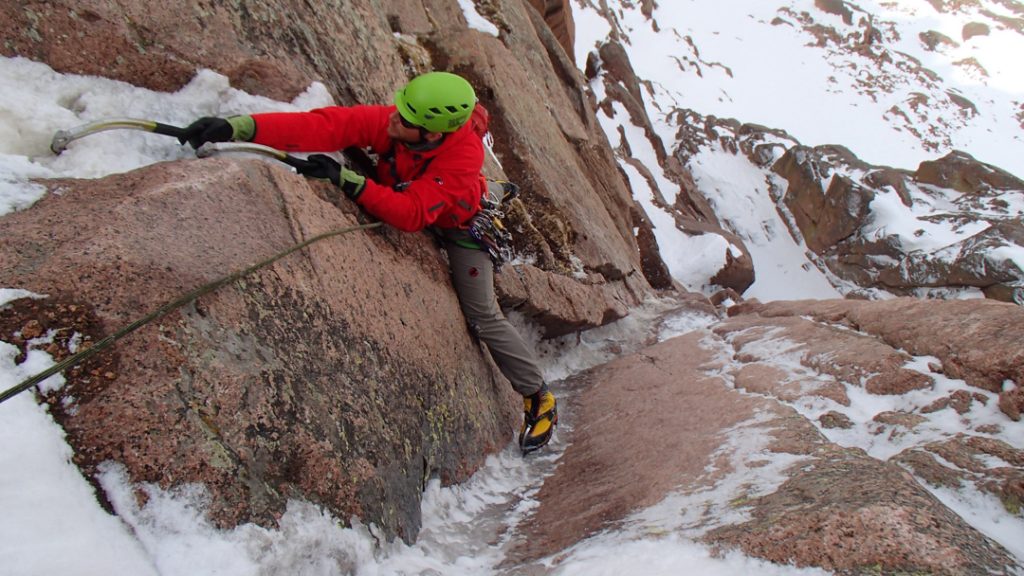
Ice-rock mixed climbing is an extreme form of mountain climbing that combines traditional rock climbing techniques with ice climbing techniques. Climbers ascend frozen rock faces, ice-covered cliffs, and mixed terrain that may include both dry rock and solid ice. The challenges posed by this type of climbing are unparalleled, with climbers needing to be proficient in using ice tools, crampons, and rock protection—sometimes all on the same climb. The risk of injury is high, and the margin for error is small, making this discipline one of the most challenging and rewarding types of climbing.
In this article, we will delve deep into the world of extreme cold wall climbing, exploring its history, techniques, challenges, and the gear climbers rely on to tackle the harsh conditions. We’ll also look at the pioneers of the sport, the technicalities of mixed climbing, and the evolution of the discipline. Whether you’re an experienced climber or simply curious about this extreme sport, this comprehensive guide will provide a detailed look at the world of ice-rock mixed climbing.
The Origins of Ice-Rock Mixed Climbing
Ice and rock climbing are two distinct climbing disciplines that have evolved over centuries, each with its own unique techniques and equipment. The practice of combining these two forms of climbing into one challenging discipline did not appear until the 20th century.
1. Early Ice Climbing: From Alpine Traditions to Modern Techniques
Ice climbing dates back to the late 19th century, with the first documented climbs taking place in the European Alps. Early ice climbers used rudimentary tools such as wooden ice axes and crampons (spiked boots) to ascend frozen waterfalls, ice-covered cliffs, and glaciers.
- The First Ascent of a Frozen Waterfall: In the 1930s, pioneers like André Roch in the Swiss Alps began to use ice axes to ascend frozen waterfalls, a technique that eventually led to the development of modern ice climbing as a sport.
- The 1970s: The Rise of Modern Ice Climbing: By the 1970s, alpine ice climbing had gained traction as a sport. Climbers used crampons and ice axes, while ice screws were invented to provide protection on vertical ice routes.
2. The Emergence of Mixed Climbing
In the 1980s and 1990s, climbers began experimenting with ice climbing on mixed terrain, where sections of rock and ice alternated. Early mixed climbs were often based in high-altitude environments such as the Himalayas and Patagonia, where changing conditions meant that climbers often encountered both rock and ice within a single climb.
- Mixed Terrain: Climbers started to encounter mixed terrain where frozen rock and ice met. The concept of climbing both ice and rock on the same route soon became a defining feature of mixed climbing.
- Development of Tools: As the sport grew, specialized tools such as technical ice axes and crampons were developed, which allowed climbers to more effectively scale both frozen and rocky surfaces.
The progression of mixed climbing grew rapidly in the 1990s as climbers began to push the boundaries of what was possible on mixed terrain, seeking out routes that tested both their ice and rock climbing skills.
The Unique Challenges of Ice-Rock Mixed Climbing
Mixed climbing presents a range of unique challenges that make it one of the most technical forms of mountain climbing. Climbers must navigate frozen rock faces, ice-covered cliffs, and mixed terrain that demands proficiency in multiple disciplines.
1. Variable Conditions
One of the defining characteristics of ice-rock mixed climbing is the unpredictable and dynamic nature of the climbing conditions. Climbers must adapt quickly to changing environments, as routes may contain both rock and ice sections. This can include:
- Frozen Rock: Ice may coat a rock face, making it slick and challenging to climb. The mix of rock and ice creates an unpredictable surface, requiring climbers to adjust their techniques frequently.
- Ice Quality: The quality of ice can vary significantly from climb to climb. Some ice is solid and thick, providing stable placements for tools and crampons, while other ice may be thin, brittle, or even non-existent, creating dangerous conditions.
- Mixed Terrain: Climbers may find themselves switching between ice and rock repeatedly, requiring them to alternate between using ice axes, rock protection, crampons, and cam placements—all while managing the mental strain of balancing their techniques.
2. The Need for Versatility
Mixed climbing demands versatility from climbers, who must be skilled in both rock climbing and ice climbing. Each section of a mixed climb may require a different set of tools and techniques. For example, in a rock section, a climber might need to rely on cracks, footholds, or cams for protection, while in an ice section, they would need to use ice axes, ice screws, and crampons.
- Rock Climbing Techniques: When climbing rock sections, climbers use their hands and feet to find secure holds. The techniques employed during rock climbing, such as crimping, mantling, and stemming, require a different set of skills compared to ice climbing.
- Ice Climbing Techniques: Ice climbing requires specialized tools like ice axes, ice screws, and crampons to navigate frozen surfaces. The climber must learn to use their axes and feet to carve into ice, sometimes on vertical or overhung terrain.
3. Psychological Challenges
Mixed climbing, particularly in cold, extreme conditions, can be mentally taxing. Climbers face several psychological challenges, including:
- Fear of Falling: The steep and often precarious nature of mixed climbing routes means that falls can be particularly dangerous. With limited time to react and the risk of falling onto rock or into thin ice, climbers must maintain absolute focus.
- Stress from Cold: The cold environment can lead to frostbite or hypothermia if climbers are not properly equipped. Prolonged exposure to freezing temperatures increases mental and physical strain, requiring climbers to maintain composure.
- Constant Adaptation: Climbers need to stay calm and adjust their technique quickly as they encounter varying ice and rock conditions. The constant switching of skills and strategies requires a high level of concentration.
The Gear Required for Ice-Rock Mixed Climbing
Ice-rock mixed climbing requires specialized gear to handle both rock and ice terrain. The combination of tools designed for ice climbing and those used for traditional rock climbing creates a unique set of equipment demands.
1. Ice Axes and Tools
The most essential tool for ice climbing is the ice axe. In mixed climbing, climbers often use tools that are designed to be highly versatile for both ice and rock conditions.
- Technical Ice Axes: These axes are lighter, more precise, and designed for vertical ice climbing. The axes can feature steeper pick angles and ergonomic handles to maximize effectiveness when striking into ice.
- Leashes and Clips: In mixed terrain, climbers often use leashes or clipping devices to secure their ice tools to their harnesses while working with rock.
- Crampons: Crampons, essential for ice climbing, are worn on the climber’s boots and allow for traction on frozen surfaces. For mixed climbing, adjustable crampons are used, with points designed to stick into both ice and rock.
2. Rock Protection and Ropes
In mixed climbing, rock protection becomes just as important as ice tools. Climbers need cams, nuts, and quickdraws to secure themselves during rock sections of a route.
- Cams and Nuts: These devices are used to create secure anchor points in rock cracks, providing climbers with protection when they encounter challenging rock sections.
- Ropes: Double ropes or half ropes are typically used in mixed climbing to minimize drag and allow the climber to protect themselves effectively when moving over varied terrain.
3. Clothing and Insulation
The cold temperatures present additional challenges in terms of clothing. Climbers need to wear specialized gear designed to retain warmth while offering flexibility and comfort.
- Base Layers: Moisture-wicking base layers help to maintain body warmth while removing sweat from the skin.
- Insulating Layers: Down jackets or fleece jackets are used to trap body heat while providing ample insulation during long climbs in freezing conditions.
- Outer Layer: Waterproof and windproof outer layers are essential to protect climbers from the elements. Climbers also rely on waterproof gloves and gaiters to prevent snow and ice from entering their clothing.
The Pioneers of Ice-Rock Mixed Climbing
The development of ice-rock mixed climbing has been shaped by climbers who have both pushed the sport’s boundaries and introduced new techniques and gear. Here are some of the most influential pioneers in the sport:
1. Jim Donini
One of the most influential American climbers, Jim Donini is known for his ground-breaking mixed climbs in places like Patagonia and Alaska. His use of both traditional rock climbing techniques and ice tools helped lay the foundation for modern mixed climbing.
2. Ueli Steck
The late Ueli Steck, a Swiss alpinist, was renowned for his speed and solo ascents of mixed and ice routes in the Himalayas. His innovative approach to mixed climbing and ability to tackle both rock and ice terrain at rapid speed set a new standard for the sport.
3. Will Gadd
Will Gadd, a Canadian climber, has been at the forefront of both ice climbing and mixed climbing. He is particularly known for his pioneering work in the Himalayas and North America, often pushing the boundaries of what was thought possible on mixed terrain.
Conclusion
Ice-rock mixed climbing is one of the most extreme and multifaceted forms of mountain climbing. It blends the technicalities of both ice and rock climbing, requiring climbers to master an array of skills and techniques. The combination of mental resilience, physical strength, and adaptability makes mixed climbing both exhilarating and incredibly dangerous.
As climbers continue to innovate with tools, techniques, and gear, mixed climbing will only continue to evolve. While it remains a sport for only the most experienced and dedicated climbers, the thrill of conquering mixed routes in freezing, unforgiving environments is unparalleled. For those who are willing to face the risks and challenges, ice-rock mixed climbing offers a chance to push the limits of human endurance and capability in one of the most exhilarating environments on earth.