









Introduction
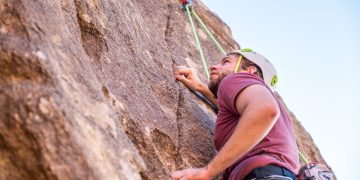
Sport climbing has evolved tremendously over the past few decades, from its humble origins in outdoor rock climbing to its inclusion as an Olympic event. Central to this evolution has been the development of incredibly difficult climbing routes—each a monumental challenge for even the most seasoned climbers. These super-difficult sport climbing routes are not just physical tests but also mental and strategic puzzles that push the boundaries of human performance.
Climbing grades such as 5.14 or 9a have become shorthand for extreme difficulty in the climbing community, and each of these hard routes is more than just a challenge; it’s a statement of what is possible within the sport. This article will delve into some of the world’s most difficult sport climbing routes, examining the techniques, mental endurance, and innovations that climbers employ to conquer these walls. We will also explore the climbers who have pushed the boundaries of the sport and the progression of climbing difficulty over time.
The Evolution of Climbing Grades
The world of sport climbing has witnessed rapid evolution in both technique and difficulty. To understand the significance of the hardest routes, it’s essential to first grasp the system of grading used to assess the difficulty of a climb.
1. The History of Climbing Grades
Climbing grades have a long and varied history, originating with the French grading system and later being adapted across the world. The most commonly used systems are the Yosemite Decimal System (YDS), which ranges from 5.0 to 5.15 for rock climbing, and the French system, which uses grades like 6a, 6b, 7a, etc. The progression from 5.10 to 5.14, and eventually to 5.15, reflects the continued advancements in climbing difficulty.
- 5.12 and 5.13: These grades were first considered nearly impossible decades ago but were eventually broken through by legendary climbers such as Pat Ament and Ron Kauk. Climbers began to push harder routes with increasingly technical moves.
- 5.14 and Beyond: The progression into the 5.14 range represented the next frontier in climbing difficulty. Routes at this level require an extraordinary combination of physical strength, endurance, and mental toughness.
- 5.15: Today, the 5.15 grade represents the ultimate difficulty level in sport climbing. A few elite athletes have successfully climbed routes rated at 5.15a, 5.15b, and even 5.15c, with some even working on harder lines that might push the boundary even further.
2. The Importance of Innovation in Climbing
The progression of climbing grades is not just about climbing harder; it’s about rethinking how a climb can be approached. Innovation in climbing techniques, training, and equipment has played a crucial role in enabling climbers to push past previous limitations. Modern sport climbing involves complex movements such as dynamic moves, mantling, and crimping, as well as advanced training methods focused on finger strength, aerobic endurance, and power endurance.
The way that a difficult route is tackled often represents a paradigm shift in how the climbing community understands the physical and mental limits of the human body.
The World’s Most Difficult Sport Climbing Routes
Now, let’s look at some of the hardest routes in the world that define the current frontier of sport climbing. These routes are a testament to the evolution of the sport and the extraordinary feats of climbers.
1. “Perfecto Mundo” (5.15b) – Flatirons, Colorado, USA
Climbed by Adam Ondra in 2018, Perfecto Mundo is a famous 5.15b route located in the Flatirons of Colorado. Ondra, a Czech climber widely regarded as one of the greatest climbers of all time, called it one of the most difficult sport routes he had ever climbed.
- The Climb: Perfecto Mundo features a combination of dynamic moves, slippery slopers, and tiny crimps. The sustained difficulty of the climb requires not only strength but also precise technique and mental focus to stay in control on such a demanding route.
- Key Challenges: The difficulty lies in the precise footwork and the long, steep overhang. As with many 5.15 routes, the climber’s ability to hold on to small holds for extended periods without getting pumped (fatigued) is a critical factor.
2. “Silence” (5.15d) – Flatanger Cave, Norway
Climbed by Adam Ondra in 2017, Silence holds the distinction of being the world’s first 5.15d route, making it the hardest sport climbing route ever climbed at the time.
- The Climb: Located in the Flatanger Cave in Norway, Silence is a route that challenges every aspect of climbing—strength, technique, and mental focus. The route is described as having powerful moves on tiny crimps and sustained overhangs, with some sections requiring intense body tension to maintain control.
- Key Challenges: The primary difficulty in Silence comes from its dynamic movement and reliance on extreme precision. The technical nature of the route means that climbers must move with extreme fluidity to prevent their muscles from becoming overwhelmed.
- Historical Significance: The ascent of Silence marked a new milestone in climbing, as the first route of this difficulty opened the door to the possibility of even harder routes to come.
3. “La Dura Dura” (5.15c) – Cueva del Gato, Spain
La Dura Dura is another of the world’s hardest routes, graded 5.15c, and was famously climbed by Adam Ondra and Pablo López in 2013. Located in the Cueva del Gato in Spain, this route is known for its incredibly technical moves combined with powerful bouldering-style sequences.
- The Climb: La Dura Dura is a composite route, requiring climbers to execute both technical crimps and big, explosive moves in a steep, overhung cave. The mental and physical endurance required for this route is off the charts.
- Key Challenges: The climb is known for the crux (the hardest part) in which climbers must mantle over an overhang, combining upper body strength and incredible body tension. It also involves utilizing tiny holds for extended sequences and dynamic moves that demand absolute precision.
4. “Monkey Wedding” (5.15a) – Albarracín, Spain
Another iconic route from Spain, Monkey Wedding is graded 5.15a and is part of a new wave of climbing that pushes the boundaries of strength and technicality.
- The Climb: Monkey Wedding challenges climbers with powerful sequences on overhung walls and requires both explosive movements and the ability to hold onto minuscule holds for long periods of time.
- Key Challenges: The route’s difficulty is enhanced by its long endurance sections and the need for perfect body positioning. Climbers must rely heavily on their finger strength and core engagement to stay controlled and composed throughout the climb.
5. “Perfecto Mundo” (5.15a) – Turkey
Not to be confused with the previously mentioned route of the same name in Colorado, Perfecto Mundo in Turkey is a 5.15a rated climb that has seen some of the best climbers in the world attempt its steep, overhung sections.
- The Climb: Featuring powerful bouldering moves and difficult sections of roof climbing, this route offers a significant challenge to climbers looking to push past their limits.
Training for Super-Difficult Routes
Climbing the world’s hardest routes requires a highly specialized training regimen. To attempt and successfully ascend a 5.15 route, athletes must train not only their physical abilities but also their mental focus. Here are the key aspects of training for such extreme routes.
1. Strength and Power Endurance
Climbers working on high-difficulty routes must develop extreme finger strength, forearm endurance, and core stability. Techniques like campusing (climbing without feet), dead hangs, and fingerboard training are essential for improving the strength required to hold onto tiny holds for prolonged periods.
2. Dynamic Climbing Skills
Many difficult routes involve dynamic moves, requiring explosive power to latch onto distant holds. Training for these movements involves plyometric exercises and specific bouldering sequences designed to improve explosiveness.
3. Mental Conditioning
The psychological aspect of climbing is crucial for extreme ascents. Free-soloing or pushing through moments of intense fear or doubt requires immense mental toughness. Many climbers use techniques like visualization to rehearse moves mentally and meditation to stay focused during the climb.
4. Endurance Training
As many of these difficult routes are sustained over long periods of time, building endurance is essential. Climbers often train by climbing longer routes and building stamina through circuit training and aerobic conditioning.
The Future of Super-Difficult Sport Climbing
As climbing continues to evolve, the pursuit of harder routes shows no sign of slowing down. With the advent of new training methods, improved gear, and climbing walls that replicate natural rock features, we may soon see even harder routes pushed into the 5.16 or beyond. Climbers like Adam Ondra, Alex Megos, and Jain Kim continue to innovate and push the limits of the sport, inspiring future generations to dream even bigger.
Conclusion
Super-difficult sport climbing routes represent the pinnacle of what is possible in the world of climbing. These routes are not simply tests of physical strength but also require an extraordinary level of mental focus, technical skill, and strategic thinking. As climbers continue to break records and set new benchmarks, we are witnessing the boundaries of human performance being pushed ever further. The sport’s evolution is far from over, and the future promises even greater challenges as the quest for the world’s hardest routes continues.