









Introduction
Encounters with snakes and wild animals are an inherent risk in outdoor activities such as hiking, camping, and wilderness expeditions. While such encounters are often rare, immediate and effective treatment can mean the difference between minor injuries and life-threatening conditions.
Snake bites and wildlife injuries are not only medical emergencies but also complex situations that require a combination of knowledge, preparation, and rapid response. This article explores the types of snake bites and animal injuries, symptoms, immediate first aid, long-term medical management, and preventive strategies. By providing a comprehensive guide, this article aims to equip outdoor enthusiasts, rescue personnel, and healthcare providers with the knowledge to respond effectively to these incidents.
1. Understanding Snake Bites
1.1 Snake Classification and Venom Types
Not all snakes are venomous, but understanding which species pose a threat is crucial:
- Venomous Snakes: Include vipers, pit vipers, cobras, and mambas. Their venom can be hemotoxic, neurotoxic, or cytotoxic.
- Non-Venomous Snakes: While bites from non-venomous snakes may cause infections, they generally do not lead to systemic toxicity.
Types of Venom Effects:
- Hemotoxic Venom: Destroys red blood cells, causes tissue damage, swelling, and internal bleeding.
- Neurotoxic Venom: Impairs the nervous system, potentially causing paralysis, respiratory failure, and severe neurological symptoms.
- Cytotoxic Venom: Causes localized tissue necrosis, pain, and swelling at the bite site.
1.2 Symptoms of Snake Bites
Recognizing symptoms is vital for effective response:
- Immediate Local Symptoms: Pain, swelling, redness, and puncture marks at the bite site.
- Systemic Symptoms: Nausea, vomiting, dizziness, difficulty breathing, blurred vision, or weakness.
- Severe Cases: Hypotension, coagulopathy, shock, and organ failure.
Time is critical: Venom effects can escalate within minutes to hours, particularly for neurotoxic bites.
2. Wildlife Injuries: Types and Risks
2.1 Common Wild Animals That Cause Injuries
Outdoor enthusiasts may encounter several species capable of causing harm:
- Large Mammals: Bears, big cats, moose, and wild boars can inflict severe blunt or lacerating trauma.
- Small Mammals and Rodents: Rabies risk from bats, raccoons, skunks, or squirrels.
- Other Animals: Insects, spiders, and marine life can also produce venomous or irritating injuries.
2.2 Mechanisms of Injury
- Bites and Scratches: Can lead to infections, tissue damage, and disease transmission.
- Blunt Trauma: Resulting from charging, trampling, or defensive strikes.
- Venomous Envenomation: From spiders, scorpions, or certain marine animals causing systemic toxic effects.
2.3 Symptoms of Animal-Induced Injuries
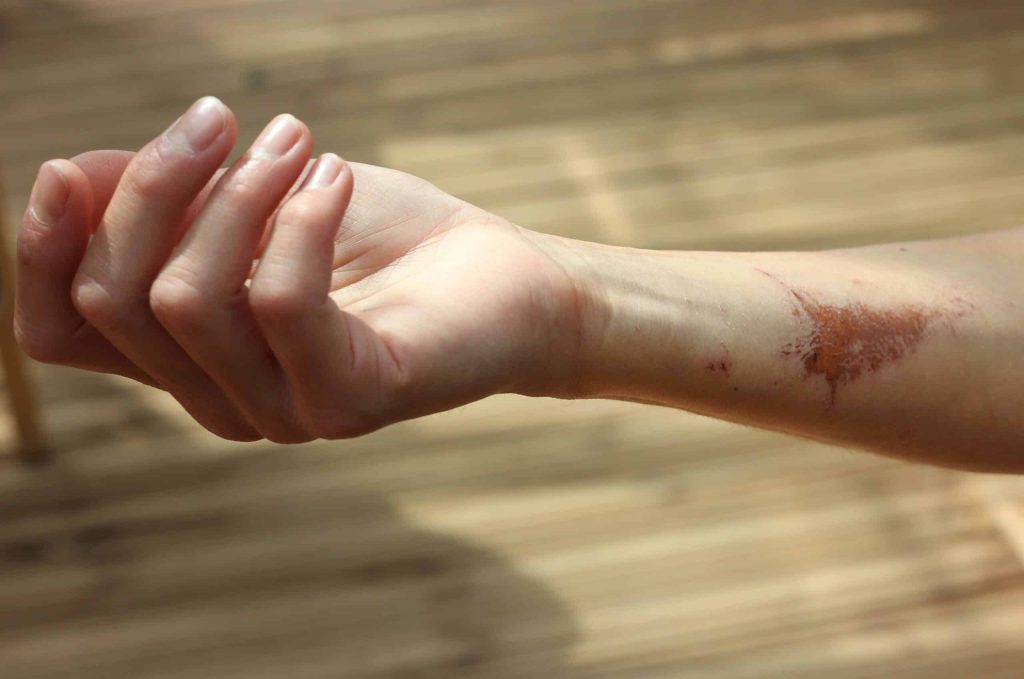
- Local: Swelling, bruising, lacerations, punctures, bleeding, or necrosis.
- Systemic: Fever, nausea, vomiting, muscle weakness, dizziness, or neurological symptoms in cases of venomous bites.
- Infections: Pathogens introduced by animal teeth, claws, or environmental contamination.
3. Immediate First Aid for Snake Bites
3.1 Key Principles
The primary goals of snake bite first aid are:
- Prevent venom spread
- Reduce pain and anxiety
- Support vital functions until medical help is available
Steps:
- Move to Safety: Remove the victim from the immediate danger of the snake.
- Calm the Patient: Anxiety increases heart rate, which accelerates venom circulation.
- Immobilize the Limb: Keep the bitten area at heart level or slightly below. Use a splint if necessary to reduce movement.
- Remove Constrictions: Take off rings, watches, or tight clothing near the bite.
- Do Not Cut or Suck the Bite: These methods are ineffective and harmful.
- Do Not Apply Ice or Tourniquets: Ice can damage tissue, and tourniquets may cause permanent injury.
- Seek Medical Help Immediately: Antivenom administration may be required in hospital settings.
3.2 Monitoring and Support
- Vital Signs: Continuously monitor breathing, heart rate, and consciousness.
- Symptom Tracking: Note swelling progression, pain intensity, and onset of systemic symptoms.
- Hydration and Reassurance: Provide water if safe to do so and keep the patient calm to reduce metabolic stress.
4. Immediate First Aid for Wildlife Injuries
4.1 Treating Bites and Lacerations
- Control Bleeding: Apply gentle pressure with a clean cloth or bandage.
- Clean the Wound: Use soap and potable water to reduce infection risk. Avoid strong antiseptics that may cause tissue irritation.
- Immobilize and Protect: Cover with sterile dressing and immobilize if necessary to prevent further damage.
4.2 Managing Blunt Trauma
- Assess for Fractures or Internal Injuries: Immobilize limbs or splint suspected fractures.
- Monitor for Shock: Symptoms include pale skin, rapid heartbeat, and shallow breathing. Position the patient supine with legs elevated if safe.
- Cold Application: Apply ice packs to reduce swelling for non-venomous injuries.
4.3 Preventing Infection
- Rabies and Tetanus: Ensure the patient receives appropriate post-exposure prophylaxis.
- Antibiotics: May be required for high-risk wounds, particularly deep punctures or contaminated bites.
- Follow-up Care: Reassess for signs of infection such as redness, pus, fever, or increased pain.
5. Advanced Medical Management
5.1 Hospital Treatment for Snake Bites
- Antivenom Therapy: Administered based on snake species and envenomation severity.
- Supportive Care: IV fluids, pain management, and treatment of secondary complications like coagulopathy or organ failure.
- Surgical Intervention: Required in cases of severe tissue necrosis or compartment syndrome.
5.2 Hospital Treatment for Wildlife Injuries
- Debridement and Suturing: Deep puncture wounds may require surgical cleaning and closure.
- Antibiotics and Vaccinations: Address infection risk and prevent rabies or tetanus.
- Monitoring for Complications: Fractures, internal bleeding, or delayed allergic reactions may require extended hospital care.
6. Preventive Measures in Wilderness Settings
6.1 Avoiding Snake Bites
- Awareness of Habitat: Learn which areas are snake-prone.
- Protective Clothing: Boots and long pants reduce the risk of bites.
- Caution While Walking or Climbing: Avoid tall grass, rocks, or debris where snakes may hide.
6.2 Reducing Wildlife Conflicts
- Safe Food Storage: Minimize attracting bears or other animals.
- Noise and Visibility: Alert animals of human presence to prevent surprise encounters.
- Distance Maintenance: Observe wildlife without approaching or provoking.
6.3 Wilderness Training and Preparedness
- First Aid Training: Courses in wilderness medicine or snake bite response improve outcomes.
- Carrying Medical Kits: Include antiseptics, bandages, splints, and emergency communication devices.
- Knowledge of Evacuation Routes: Plan for rapid access to medical facilities in case of serious injuries.
7. Psychological Considerations
- Trauma Response: Snake bites or wildlife attacks can cause acute stress or panic, which complicates treatment.
- Patient Reassurance: Calm communication and structured first aid steps reduce panic-induced complications.
- Post-Incident Support: Counseling may help manage post-traumatic stress, particularly in severe cases.
8. Case Studies and Lessons Learned
- Case Study 1: A hiker bitten by a rattlesnake in a remote national park survived due to immediate immobilization, rapid evacuation, and timely antivenom administration.
- Case Study 2: A camper attacked by a bear sustained lacerations and blunt trauma; survival was aided by protective equipment, first aid, and rapid rescue response.
- Lesson: Preparation, knowledge, and rapid intervention consistently determine outcomes in wilderness injuries.
Conclusion
Encounters with snakes and wild animals in the wilderness are serious medical events requiring prompt, knowledgeable, and calm intervention. Understanding the types of injuries, immediate first aid measures, and hospital treatment options is crucial for both outdoor enthusiasts and professionals operating in remote areas.
Preventive measures—such as habitat awareness, protective gear, and proper food management—combined with wilderness first aid training significantly reduce the risk of serious injury. Ultimately, the key to surviving snake bites and wildlife injuries lies in a combination of preparedness, swift action, and access to professional care.
By respecting wildlife, understanding hazards, and mastering first aid, outdoor adventurers can safely navigate the wilderness while minimizing the risks of potentially life-threatening encounters.