









Introduction
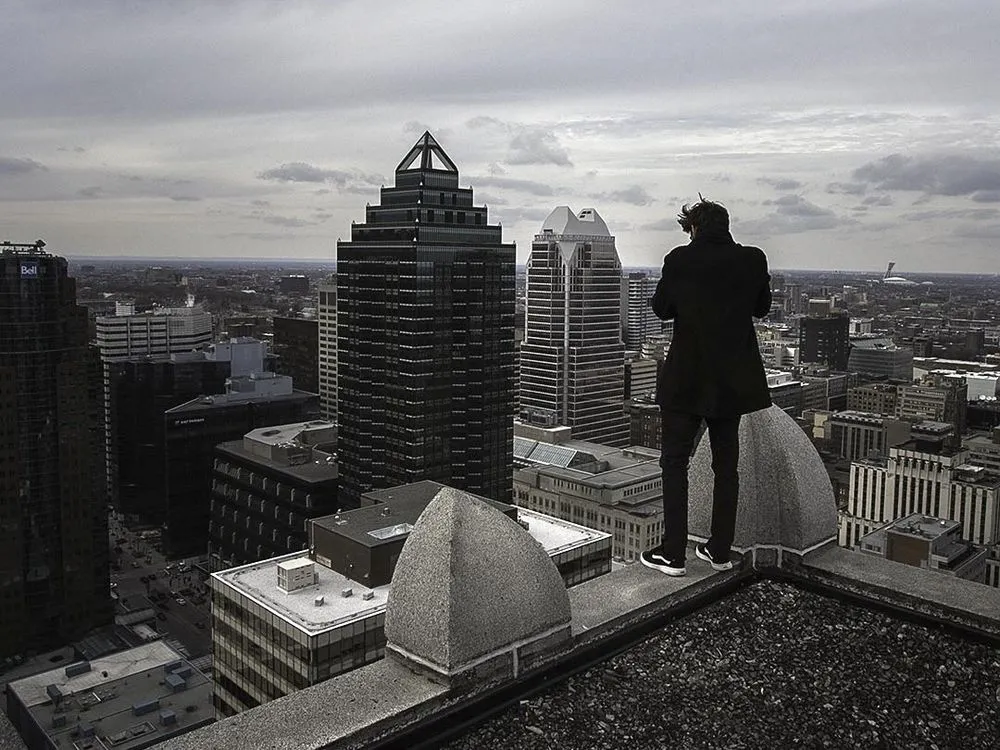
In recent years, rooftopping—the practice of accessing and photographing the tops of skyscrapers and tall urban structures—has emerged as both an extreme sport and a controversial art form. Rooftopping combines elements of urban exploration, adventure sports, and photography, attracting thrill-seekers who are drawn to the adrenaline rush of heights and the opportunity to capture unique perspectives of cityscapes. From the dizzying heights of New York’s skyline to the towering structures of Shanghai and Dubai, rooftoppers scale high-rise buildings with minimal equipment, relying on stealth, agility, and courage.
Rooftopping is more than just a hobby; it is a culture that emphasizes risk, skill, and creativity. Practitioners navigate legal and ethical challenges, safety hazards, and personal fears, while creating visually stunning images that showcase the interplay between human ambition and urban architecture. Yet, this activity exists in a legal gray area in most cities, and the pursuit of these heights often comes with serious consequences, including fines, arrests, and life-threatening injury.
This article explores rooftopping from multiple perspectives: its history and cultural significance, the technical and psychological skills required, legal and ethical considerations, safety measures, and its impact on urban photography and adventure culture. By examining rooftopping in depth, we aim to provide a professional, comprehensive understanding of the practice, its allure, and the responsibilities it entails.
1. The Origins and Cultural Evolution of Rooftopping
1.1 Urban Exploration Roots
Rooftopping is closely linked to the broader subculture of urban exploration (often abbreviated as urbex), which involves exploring abandoned buildings, tunnels, and off-limits urban spaces. While urbex enthusiasts are drawn to the historical, architectural, or industrial significance of these sites, rooftoppers are motivated by vertical challenges and the unique visual perspectives of cityscapes.
The practice of scaling urban heights became more prominent with the rise of social media platforms, where images of daring rooftop photos spread virally. Rooftoppers quickly became known for capturing bird’s-eye views of cities that ordinary tourists could never access, blending adventure with artistry.
1.2 The Rise of Rooftopping in Modern Cities
The global proliferation of skyscrapers in the 20th and 21st centuries created an unprecedented opportunity for rooftoppers. High-rise architecture, combined with urban density and vertical design, provided the perfect canvas for extreme urban exploration. Cities like New York, Moscow, Dubai, Hong Kong, and Shanghai became epicenters for rooftopping due to their abundance of accessible tall structures and iconic skylines.
Rooftopping culture emphasizes:
- Adrenaline and Risk: The thrill of being at extreme heights without safety harnesses is a key draw for enthusiasts.
- Photography and Art: Capturing unique perspectives and city panoramas is a central aspect of rooftopping.
- Community and Sharing: Rooftoppers often document their exploits online, creating communities that celebrate skill, bravery, and aesthetic vision.
2. The Technical and Physical Demands of Rooftopping
2.1 Essential Skills and Physical Preparation
Rooftopping requires a combination of physical ability, technical knowledge, and mental discipline. Key skills include:
- Climbing and Parkour Skills: Many rooftoppers employ parkour techniques to traverse ledges, walls, and obstacles with agility and balance.
- Strength and Endurance: Ascending rooftops often involves vertical climbing, stairwell sprints, and manual effort to navigate locked or obstructed areas.
- Spatial Awareness: Understanding building layouts, access points, and potential hazards is crucial to prevent accidents.
Physical preparation for rooftopping is rigorous. Many enthusiasts engage in strength training, flexibility exercises, and balance training to ensure they can perform maneuvers safely and efficiently. Mental preparation is equally critical, as maintaining composure at extreme heights requires focus and emotional control.
2.2 Equipment and Photography Gear
While many rooftoppers favor minimalism to reduce weight and improve mobility, specialized gear can enhance both safety and photographic quality:
- Lightweight Backpacks: Carry essential gear without hindering movement.
- Tripods and Stabilizers: Compact versions help capture clear panoramic shots.
- Drones: Some rooftoppers use drones to supplement or scout shots, though drones often have regulatory restrictions in urban areas.
- Safety Equipment: Although many rooftoppers do not use harnesses due to the subversive nature of their activity, knowledge of rope techniques and fall protection is a critical skill for risk management.
Photography is often the central motivation behind rooftopping. Techniques such as long exposures, HDR imaging, and panoramic stitching allow rooftoppers to create iconic cityscape images from extreme vantage points.
3. Psychological Aspects of Rooftopping
3.1 The Thrill-Seeking Mindset
Rooftoppers are often characterized by high sensation-seeking traits, meaning they are drawn to activities that involve risk, novelty, and intense experiences. The thrill of standing on a narrow ledge hundreds of meters above the ground can trigger the release of adrenaline, creating a unique psychological high.
3.2 Risk Assessment and Decision-Making
Despite the apparent recklessness, successful rooftoppers exhibit careful risk assessment. They evaluate:
- Structural integrity of the rooftop and obstacles.
- Environmental conditions, such as wind, rain, or surface traction.
- Escape routes and potential exit strategies in case of security encounters.
Mental preparation involves focus, visualization, and stress management, enabling climbers to act decisively in precarious situations.
4. Legal and Ethical Considerations
4.1 Trespassing and Legal Risks
Rooftopping often involves unauthorized access to private property, placing participants at risk of legal consequences:
- Trespassing charges: Most buildings are off-limits to the public, and climbing rooftops without permission can result in fines or criminal charges.
- Endangerment concerns: Authorities consider rooftopping a public safety risk, as falls can endanger not only the climber but also pedestrians below.
Legal risk varies by city and country, and many rooftoppers use anonymized social media accounts to avoid identification and prosecution.
4.2 Ethical Responsibility
Rooftopping raises ethical questions:
- Safety and Influence: Posting images of dangerous feats can encourage copycats who may lack experience or training.
- Respect for Property: Ethical rooftoppers avoid damaging property, and many advocate for responsible urban exploration practices.
- Cultural Sensitivity: Certain historic or culturally significant buildings require careful consideration to avoid disrespect or damage.
Balancing artistic ambition with responsibility is a central ethical challenge in the rooftopping community.
5. Iconic Rooftopping Locations
Some cities have become globally renowned for rooftopping due to their architecture and skyline accessibility:
- Moscow: The Russian capital is famous for “skywalkers” exploring Stalinist skyscrapers and Soviet-era rooftops.
- New York City: Rooftoppers are drawn to Manhattan’s skyscrapers, including the Empire State Building and high-rise residential towers.
- Dubai: Known for the Burj Khalifa and other ultramodern towers, Dubai offers extreme vertical landscapes for adventure photography.
- Shanghai: The city’s financial district, with its dense cluster of skyscrapers, has become a hotspot for urban climbers seeking panoramic shots.
Each location presents unique challenges related to security, climate, and building design, shaping the strategies and skillsets of rooftoppers.
6. Safety Measures and Risk Mitigation
While rooftopping is inherently dangerous, experienced practitioners take precautions to reduce the risk of injury:
- Training and Simulation: Practicing climbing and balance in controlled environments.
- Scouting Routes: Understanding building layouts and potential hazards beforehand.
- Partner Systems: Climbing with partners for communication, emergency support, and documentation.
- Weather Awareness: Avoiding wet, icy, or windy conditions that increase the risk of slips.
Despite precautions, the activity remains high-risk, and even experienced rooftoppers face life-threatening situations.
7. Rooftopping as Art and Cultural Expression
Rooftopping is not solely about thrill-seeking—it is also a creative pursuit. Photography captured from extreme urban heights can:
- Transform perceptions of familiar cities, revealing unique angles, symmetry, and scale.
- Inspire urban art through the interplay of architecture, light, and human presence.
- Foster community among rooftoppers who share images, tips, and narratives online.
Social media platforms like Instagram and YouTube have amplified rooftopping as a visual art form, turning extreme urban exploration into a widely recognized cultural phenomenon.
Conclusion
Rooftopping is a complex, multifaceted practice that merges adventure, artistry, and risk. It demands physical skill, psychological resilience, and technical knowledge, while simultaneously challenging legal and ethical boundaries. For enthusiasts, rooftopping provides a rare perspective on urban landscapes, offering breathtaking views and creative inspiration.
However, it is not without peril. Legal consequences, safety hazards, and ethical considerations require practitioners to approach rooftopping with responsibility, preparation, and respect. In the balance between danger and creativity, rooftopping continues to captivate the imagination of urban adventurers worldwide, pushing the limits of human exploration in the vertical domain.
The practice ultimately reflects a broader human desire: the pursuit of heightened experience, awe-inspiring perspectives, and the thrill of mastering one’s environment—a literal ascent to the top of our urban world.