






Introduction
Nestled amidst the stunning landscapes of Norway are some of the world’s most remarkable and mysterious rock formations. Known for their striking size, precarious positions, and unique geological features, the giant stones of Norway—often referred to as “gigantic boulders” or “monolithic rocks”—have captured the imagination of adventurers, geologists, and nature enthusiasts alike. These monumental stones, shaped over millennia by the forces of nature, are not only stunning in their appearance but also provide a window into the Earth’s geological history, offering insights into the forces that have shaped Scandinavia’s dramatic landscapes.
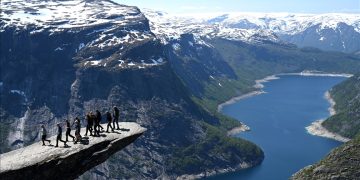
From the striking Kjeragbolten—a massive rock wedged between two cliffs above a deep fjord—to the mysterious Preikestolen (Pulpit Rock), these natural wonders have become iconic symbols of Norway’s wild and untamed beauty. The awe-inspiring sights of these giant rocks are as much a testament to the incredible power of nature as they are to the mystery of the Earth’s ancient past.
In this article, we will delve into the geological processes behind the creation of these monumental rocks, explore their cultural significance, and highlight some of the most famous rock formations in Norway, while also examining the role they play in the nation’s tourism industry and their impact on Norwegian culture.
1. The Geological Formation of Norway’s Giant Stones
1.1 The Birth of Norway’s Landscape
Norway’s geological history is one of extreme transformation, shaped by a series of powerful events such as glaciation, tectonic activity, and erosion. The Scandinavian Peninsula, of which Norway occupies a substantial portion, has undergone millions of years of geological processes, resulting in the formation of breathtaking natural features, including vast mountain ranges, deep fjords, and distinctive rock formations.
The formation of Norway’s giant stones can primarily be attributed to glacial erosion and tectonic forces:
- Glacial Erosion: During the last Ice Age, vast glaciers covered much of Norway, carving out deep fjords and shaping the rock formations we see today. The movement of glaciers scoured the landscape, creating distinctive features such as moraines, U-shaped valleys, and rounded mountains. Some of the boulders, particularly those that appear perched precariously atop cliffs, are the remnants of glacial deposits, carried from distant locations during the ice’s advance and deposited in their current positions as the glaciers retreated.
- Tectonic Forces: Norway’s geology has also been heavily influenced by tectonic movements. The movement of the Earth’s plates over millions of years has created immense pressure on the region, causing the land to rise and fold, resulting in towering mountains and the distinct separation between Norway and neighboring countries. In some cases, large rocks have been pushed up and isolated due to these tectonic forces, which gives them their unique placement.
1.2 The Types of Giant Stones
There are several types of massive rock formations in Norway, and their characteristics vary depending on the geological processes that formed them. Some of the most common types of giant stones found in Norway include:
- Erratic Boulders: These large rocks were carried by glaciers from far-off locations and deposited in new areas when the glaciers melted. The Kjeragbolten rock is an example of an erratic boulder. Erratics are often found in unexpected places, sitting atop cliffs or nestled between other rocks, seemingly defying gravity.
- Granite Monoliths: Norway’s terrain is dominated by granite, a type of igneous rock that forms from the slow crystallization of magma beneath the Earth’s surface. The Preikestolen (Pulpit Rock) is one of the most famous granite formations in Norway, rising 604 meters above the Lysefjord. The durability and resistance to erosion of granite have allowed these massive formations to endure for millions of years.
- Limestone Cliffs: Some of Norway’s giant stones are made of limestone, which forms from the accumulation of shells, corals, and other organic material in shallow seas. Over time, the geological processes of compression and cementation turn these sediments into solid rock. Limestone formations are often found in the coastal areas of Norway, where they have been shaped by the forces of erosion and weathering.
2. Famous Giant Stones in Norway
Norway is home to some of the world’s most iconic rock formations, each one offering a unique window into the country’s geological history. Let’s explore some of the most famous giant stones that have become renowned landmarks in Norway.
2.1 Kjeragbolten: The Perched Boulder of Lysefjord
Kjeragbolten is one of the most iconic giant stones in Norway, a massive boulder wedged between two cliffs high above the Lysefjord. This rock formation stands at an elevation of over 1,000 meters and is one of the most famous tourist attractions in the country. The boulder, which weighs an estimated 10 tons, sits precariously on a narrow ledge, creating a jaw-dropping view for those brave enough to step onto it.
Geological Background
Kjeragbolten is an erratic boulder, meaning it was carried to its current location by the glaciers that once covered the area. The rock is composed of granite, which gives it its strength and resilience. Over time, the forces of glacial erosion and tectonic movements caused the boulder to become wedged between two cliffs, creating the dramatic spectacle that exists today.
Cultural Significance
The boulder has become a symbol of Norwegian adventure and is a popular destination for hikers and thrill-seekers. Many adventurers make the trek to Kjeragbolten as part of a challenging hike that offers incredible panoramic views of the fjord and surrounding mountains. The rock has also become a social media sensation, with people from around the world sharing photographs of themselves standing on the boulder, often striking daring poses that showcase their fearlessness.
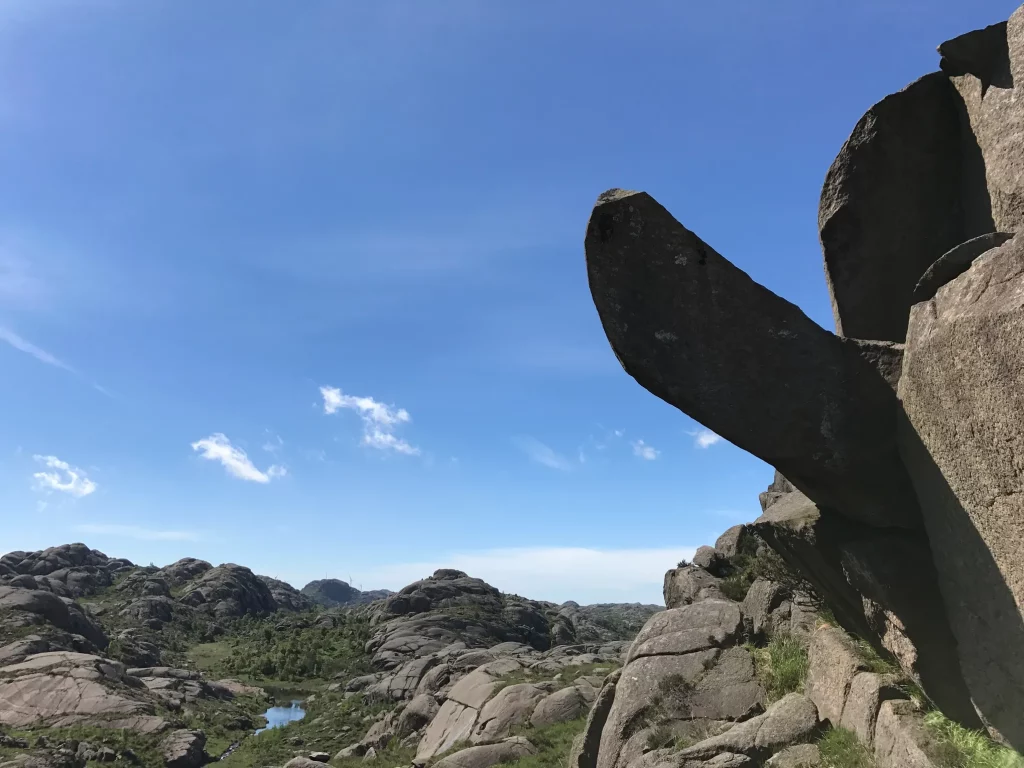
2.2 Preikestolen (Pulpit Rock): Norway’s Most Famous Landmark
Standing tall at 604 meters above the Lysefjord, Preikestolen (also known as Pulpit Rock) is one of the most visited tourist destinations in Norway. This granite formation features a flat, rectangular platform that juts out over the fjord, offering breathtaking views of the surrounding mountains and waters below. The rock is a stunning example of the power of erosion and glacial activity.
Geological Background
Preikestolen is made of granite, a rock formed from the cooling and solidification of magma beneath the Earth’s surface. Over millions of years, glacial erosion and the forces of water and wind have shaped the rock into its distinctive flat-topped form. The fjord below was carved out by glaciers, and the surrounding mountains were shaped by the same tectonic and glacial forces that created Preikestolen.
Cultural Significance
Preikestolen is a must-visit destination for those exploring Norway’s natural beauty. It has become an iconic symbol of the country’s rugged landscape, attracting both casual tourists and serious hikers. The hike to the summit takes about 4-5 hours and offers a challenging but rewarding experience. The flat, wide platform on top is often filled with visitors, who enjoy panoramic views of the fjord and the surrounding scenery.
2.3 The Giant Stone of Torghatten
Torghatten is a mountain on the island of Torget in Northern Norway, famous for its distinctive hole that runs through the middle of the rock. This natural phenomenon is a result of erosion and weathering, which over time has created a tunnel-like opening in the mountain. The hole is approximately 160 meters long, 35 meters high, and 20 meters wide, and it has become a unique geological feature that attracts tourists from around the world.
Geological Background
The rock itself is made of granite, similar to other giant stones in Norway. Over the course of millions of years, wind, water, and ice have eroded the rock, creating the hole. Local legends suggest that the hole was created by a giant’s arrow, adding a layer of cultural significance to the site. Whether folklore or geology, Torghatten remains a fascinating natural wonder.
Cultural Significance
Torghatten is a significant landmark for the people of Northern Norway. It is a popular hiking destination, with trails leading to the entrance of the hole and offering spectacular views of the surrounding coastal landscapes. The site also holds a place in local folklore, with various legends surrounding its creation and significance to the indigenous Sami people.
3. The Role of Giant Stones in Norwegian Tourism
The giant stones of Norway are not only geological wonders but also major attractions that play a crucial role in the country’s tourism industry. These natural landmarks draw thousands of visitors each year, offering a glimpse into the breathtaking beauty of the Norwegian wilderness. Tourism related to these rock formations contributes significantly to the local economy, with guided hikes, accommodations, and other services catering to tourists.
Beyond their economic value, the giant stones of Norway also serve as symbols of the country’s connection to nature, adventure, and sustainability. They are frequently featured in travel literature, documentaries, and online platforms, further promoting Norway as a premier destination for nature lovers and adventure seekers.
Conclusion
The giant stones of Norway—whether it be the precariously perched Kjeragbolten, the iconic Preikestolen, or the mysterious Torghatten—represent not just geological marvels, but also a deeper connection to the country’s rich natural and cultural heritage. These formations, shaped by millions of years of tectonic activity, glaciation, and erosion, stand as silent witnesses to the Earth’s dynamic processes.
As Norway continues to attract visitors from around the world, the giant stones serve as a reminder of the raw power of nature and the timeless beauty that exists in the world’s most remote corners. Through their majestic presence, these rocks inspire wonder, adventure, and respect for the environment—a legacy that will endure for generations to come.