









Introduction
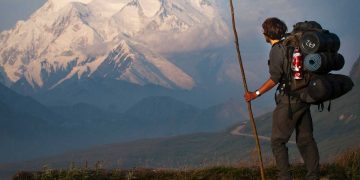
Solo hiking over multiple days is an exhilarating yet challenging adventure that pushes one’s physical, mental, and emotional limits. It requires meticulous planning, a solid understanding of outdoor survival, and the ability to adapt to unpredictable circumstances. Unlike group hikes, a solo journey puts all the responsibility on the hiker—from navigation and setting up camp to managing food, water, and safety. Whether you’re a seasoned adventurer or someone looking to push your limits, embarking on a multi-day solo hike can be incredibly rewarding. However, it requires discipline, preparation, and a respect for the wilderness.
In this comprehensive guide, we will explore the essential elements of solo multi-day hiking, including preparation, gear selection, route planning, survival techniques, and how to navigate challenges along the way. This guide aims to provide the tools and knowledge necessary to confidently embark on your own solo trekking expedition.
1. The Importance of Preparation
Preparation is the backbone of any successful multi-day solo hike. This process involves not only gathering the necessary gear but also planning for safety, food, water, and emergency situations. Proper preparation will ensure that you’re equipped to handle the challenges you may encounter, from sudden weather changes to injuries.
Route Planning and Research
Before setting foot on the trail, it’s essential to thoroughly research the area you plan to hike. Route planning ensures you are aware of key details such as trail difficulty, elevation changes, water sources, and potential hazards. Here’s how to plan effectively:
- Trail Difficulty and Terrain: Ensure that the route is suitable for your fitness level. Some trails may be more technical or require specialized equipment like ropes or climbing gear. Be realistic about your capabilities.
- Weather and Seasonality: Check the historical weather data for the area at the time of year you plan to hike. Weather conditions in the wilderness can change rapidly, so it’s crucial to prepare for all possibilities, from extreme cold to heavy rain.
- Emergency Access and Evacuation Routes: Familiarize yourself with escape routes in case of emergency. Note down the locations of nearest emergency services or evacuation routes. Always have a plan for how to get out if something goes wrong.
- Legal Permits and Regulations: Some wilderness areas require permits, especially if you plan to camp. Make sure you have all necessary permits and understand the regulations around campfires, waste disposal, and trail use.
Physical and Mental Preparation
Physical preparation is necessary to ensure that your body can handle the demands of a multi-day trek. Hiking for extended periods requires endurance, strength, and stamina. Here’s how to prepare your body:
- Cardio Fitness: Long-distance hiking requires good cardiovascular health. Incorporate activities such as running, cycling, or swimming into your routine to improve stamina.
- Strength Training: Focus on exercises that strengthen your legs, core, and back, as these are the muscles that will bear the brunt of the weight and terrain.
- Hiking Practice: If possible, complete shorter hikes or day trips in the terrain similar to your planned route. This will help you get used to your gear and the demands of multi-day hiking.
- Mental Resilience: Mental toughness is just as important as physical endurance. Long, solitary treks can feel isolating, so it’s essential to practice mindfulness, manage stress, and stay mentally focused.
2. Essential Gear for Solo Multi-Day Hiking
The gear you choose for a multi-day solo hike is critical to your success and safety. Packing light is important, but it must never come at the expense of essential items. Here’s a rundown of the must-have gear:
Backpack
- Capacity: A 40-60L backpack is ideal for multi-day hikes. It provides enough room for food, shelter, and gear without being overly bulky.
- Fit and Comfort: Ensure the backpack has adjustable straps, a padded hip belt, and a frame that fits your body well. Comfort is paramount when you’re carrying heavy loads over extended periods.
Shelter
- Tent: A lightweight, weather-resistant tent is necessary for protection against the elements. Opt for a tent that is easy to set up and pack down. Consider the weight-to-space ratio, as you’ll be carrying it for several days.
- Sleeping Bag and Pad: Choose a sleeping bag appropriate for the temperatures you expect to encounter. Down sleeping bags offer excellent warmth-to-weight ratios but can be costly. A foam or inflatable sleeping pad is essential for comfort and insulation from the cold ground.
Clothing
- Base Layer: Merino wool or synthetic base layers are excellent for moisture-wicking and warmth. Choose a long-sleeve shirt and pants for sun and insect protection.
- Mid Layer: A fleece jacket or insulated vest can provide warmth in cooler temperatures.
- Outer Layer: A waterproof and breathable jacket is essential for rain protection.
- Footwear: Proper hiking boots or trail shoes are crucial. Ensure that they are broken in before starting your trek to avoid blisters.
- Socks: Wool or synthetic socks are best for long-distance hikes, as they wick moisture away from the skin and prevent blisters.
Cooking and Food
- Stove: A lightweight backpacking stove is key for cooking meals on the trail. Consider the fuel type (gas, alcohol, or liquid fuel) based on availability and weight.
- Cookware: A small pot, utensil, and mug are all that’s required for a minimalist setup.
- Food: Dehydrated meals, energy bars, and snacks like nuts, jerky, and dried fruit will serve you well on the trail. Plan your meals around the number of days you’ll be out, ensuring you have enough for each day, plus a little extra in case of delays.
Water Purification
- Water Filter: A portable water filter or purification tablets are necessary for sourcing clean water along the trail. Water from streams, lakes, or rivers can be contaminated with bacteria or parasites, so filtering is crucial.
- Water Bottles: Carry multiple bottles or a hydration reservoir, depending on your preference.
Navigation Tools
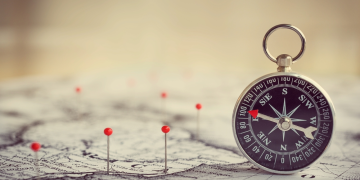
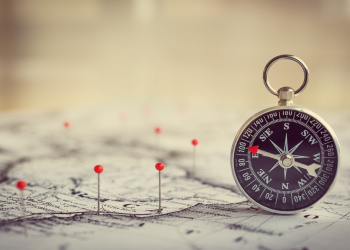
- Map and Compass: While GPS devices are useful, always carry a physical map and compass as a backup. Know how to read both in case you lose power or signal.
- GPS Device: A lightweight, handheld GPS can help you track your location and navigate accurately, especially in remote areas.
Safety and Emergency Gear
- First Aid Kit: A compact first aid kit with bandages, antiseptic wipes, pain relievers, and blister treatment is essential.
- Headlamp: A reliable headlamp with extra batteries is important for night-time navigation or setting up camp after dark.
- Multitool: A multitool can be invaluable for tasks ranging from food prep to emergency repairs.
- Emergency Blanket: A lightweight emergency thermal blanket can provide warmth in an emergency situation.
- Whistle and Signal Mirror: These items are crucial for signaling for help if needed.
3. Food and Water Management
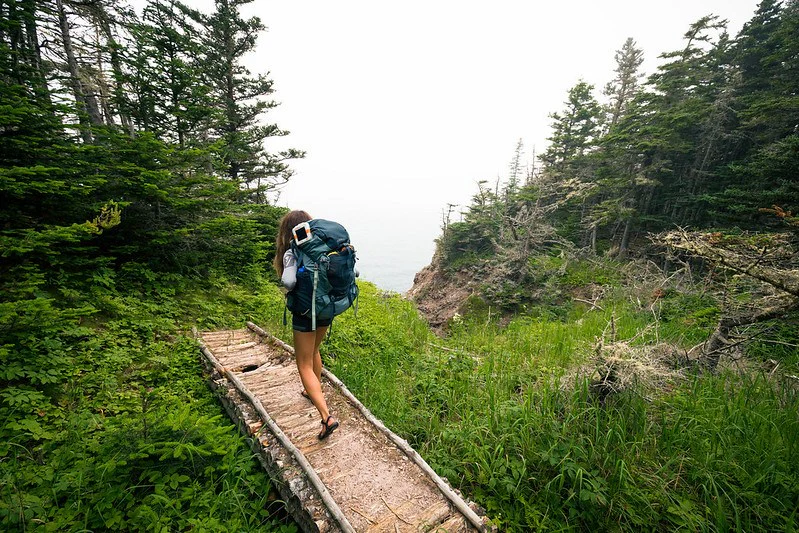
Managing your food and water supply is a key aspect of successful solo hiking. You need to ensure that you’re properly hydrated and fueled throughout your trek.
Food Preparation
- Meal Planning: Plan your meals carefully to ensure you have enough calories for each day. Focus on high-energy, lightweight options such as dehydrated meals, freeze-dried foods, and energy-dense snacks.
- Cooking Efficiency: Choose foods that are quick to prepare and require minimal cooking. When cooking on the trail, consider foods that can be eaten without needing to be cooked, such as granola, nuts, and jerky.
- Snacks: Energy bars, trail mix, and dried fruits are ideal for providing energy on the go. Carry a variety of snacks to keep your energy levels stable throughout the day.
Water Sourcing and Purification
- Finding Water: Water sources like streams, lakes, or rivers can often be found along most hiking routes. Make sure to filter or purify the water before drinking to avoid the risk of waterborne illnesses.
- Carrying Water: Always carry more water than you think you’ll need, especially in areas with limited water sources. Hydration is critical, so drink frequently throughout the day.
4. Safety Considerations: Solo Hiking Risks
Hiking alone presents unique challenges, and safety should always be a top priority. While the wilderness is a place of adventure, it also harbors dangers such as wildlife, severe weather, and injuries. Here’s how to stay safe:
Wildlife Safety
- Know the Wildlife: Research the area’s wildlife and learn how to avoid encounters. For example, in bear country, bear-proof food containers are a must.
- Food Storage: Hang food in trees or use bear-proof containers to keep animals away from your supplies.
- Avoiding Conflict: Always make noise when hiking in areas with large predators, like bears or mountain lions. Carry bear spray if necessary.
Injury Prevention and First Aid
- Injury Prevention: Use trekking poles to reduce strain on your legs and knees. Pay attention to your footing and avoid risky terrain.
- First Aid: Be prepared for injuries like blisters, sprains, or cuts. A well-stocked first aid kit is essential, and knowing basic first aid is crucial.
Weather Awareness
- Monitor Conditions: Weather can change quickly in the wilderness, especially in mountainous or high-altitude areas. Always check the weather forecast before you leave and be prepared for sudden changes.
- Emergency Sheltering: In case of severe weather, know how to quickly set up your shelter to protect yourself from rain, wind, or cold temperatures.
5. Mental Challenges and Coping Strategies
Hiking solo for multiple days can take a toll on your mental health. It’s important to recognize these challenges and have strategies to stay mentally strong.
Loneliness and Isolation
- Stay Connected with Nature: Embrace the solitude by connecting with the environment around you. The beauty of nature can be incredibly restorative.
- Set Small Goals: Focus on achieving small milestones during the hike, whether it’s reaching a specific landmark or completing a set distance. This can help you stay motivated.
Dealing with Stress
- Mindfulness Techniques: Practice mindfulness techniques, such as deep breathing or meditation, to reduce anxiety and stress.
- Pacing Yourself: Don’t push yourself too hard. Listen to your body and take breaks as needed.
Conclusion
Embarking on a solo multi-day hiking expedition is a remarkable experience that combines adventure, challenge, and self-discovery. The key to success is preparation—understanding your gear, planning your route, and being ready to tackle unexpected challenges. While the journey may test your physical and mental endurance, the reward of solitude and self-reliance is unmatched. By following the tips outlined in this guide, you can safely and successfully undertake a solo multi-day hike, ensuring both your safety and enjoyment throughout the journey.
Whether you’re trekking through dense forests, scaling mountain peaks, or navigating remote trails, solo hiking provides the opportunity to connect with nature, test your limits, and experience the wilderness in its purest form.