









Introduction
When heading into the wild, whether for a hiking expedition, camping trip, or wilderness survival training, the unexpected can happen at any moment. Accidents, injuries, and medical emergencies are a part of the risk of venturing into remote locations, and the lack of sanitation facilities makes it all the more challenging. In these environments, immediate and effective medical attention may be hours or even days away. In such cases, the ability to perform basic first aid skills and handle injuries without proper sanitation infrastructure becomes a matter of survival.
This article explores first aid strategies in the wilderness when no sanitation facilities are available. It covers the essential medical techniques, guidelines, and best practices that can be employed to manage various medical emergencies. Through understanding these principles, individuals can equip themselves to handle medical issues confidently while minimizing the risk of infection, worsening injuries, or other complications.
1. Assessing the Situation: Prioritizing Safety
Before providing first aid in the wilderness, the first step is to assess the situation calmly and quickly. The absence of sanitation facilities increases the importance of maintaining a clean environment and preventing the contamination of wounds or the spread of disease. Follow these steps when you first encounter an emergency:
- Ensure your own safety: Never rush into a dangerous situation. Make sure the scene is safe for both you and the victim. If you’re in an area with wildlife, or near cliffs or unstable terrain, assess the risks first.
- Check for immediate threats: Look for life-threatening conditions like severe bleeding, airway obstruction, or signs of shock.
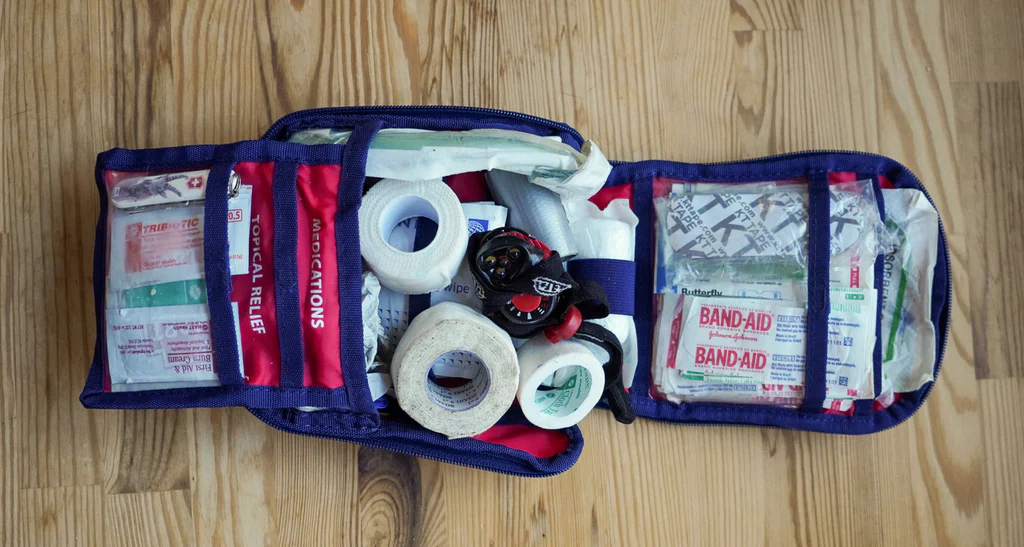
- Make a plan: Identify whether help is nearby or if evacuation is necessary. Gather any medical supplies, even basic ones, such as bandages, antiseptic, and gloves, before starting any treatment.
2. Handling Wounds and Bleeding Without Sanitation Facilities
One of the most common and critical injuries in the wilderness is an open wound that requires prompt care to stop bleeding, prevent infection, and encourage healing. Since sanitation facilities are not available, the steps to take should focus on minimizing contamination and controlling bleeding:
- Stop Bleeding: The first step in any wound care is to control bleeding. If the wound is severe, apply direct pressure with a clean cloth or bandage. If the bleeding does not stop, consider using a tourniquet above the wound if the injury is on a limb. If no clean cloth is available, use a piece of clothing or any other fabric at hand.
- Clean the Wound: In a wilderness setting, water can serve as a cleaning agent. Gently rinse the wound with clean water, removing visible dirt or debris. In the absence of clean water, use a sterile saline solution, or if neither is available, use alcohol wipes as a last resort. Avoid using river or lake water unless it’s filtered or boiled.
- Cover the Wound: After cleaning the wound, cover it with a sterile dressing to reduce the risk of infection. Bandages or cloth strips from a clothing item can be used to cover the wound. Ensure that the bandage is secure but not too tight, as this could impair circulation.
Note: If you suspect a wound has become infected (e.g., redness, swelling, pus), try to keep the area clean and protected until you can seek proper medical treatment. In severe cases, evacuation may be necessary.
3. Managing Burns Without Sanitation Facilities
Burns are another common injury in wilderness survival, often caused by fire accidents, sun exposure, or hot equipment. Without proper sanitation facilities, it’s essential to minimize infection and prevent further damage:
- Cool the Burn: Immediately cool the burn with running cold water for 10–15 minutes, or apply a cold compress if water is unavailable. Avoid using ice directly on the burn, as it can worsen the injury.
- Cover the Burn: Once the burn has cooled, cover it with a clean, non-stick bandage or cloth. If possible, use a sterile dressing to protect the area from contamination.
- Hydrate and Monitor: Burns can lead to fluid loss, so it’s crucial to ensure that the victim stays hydrated. If the burn is severe and covers a large area of the body, look for signs of shock and prepare for evacuation if necessary.
4. Treating Fractures and Sprains in the Wilderness
In remote areas, fractures and sprains can be a significant challenge. Without access to proper medical equipment, the focus is on stabilizing the injured limb and minimizing further damage until the individual can receive professional care.
- Splinting: Use available materials, such as sticks, branches, or even a rolled-up jacket, to create a splint that can stabilize the injured limb. Ensure the splint is not too tight to avoid cutting off circulation, but firm enough to prevent movement of the bone.
- Immobilization: Once the splint is in place, immobilize the injured area with bandages or cloth to prevent further injury.
- Elevation and Ice: Elevate the injured limb to reduce swelling, and apply a cold compress if available. If there is no ice, try to find a cold stream or use cool water.
In cases of severe fractures, it’s critical to seek professional medical assistance as soon as possible. If evacuation is necessary, be sure to keep the limb as immobilized as possible during transport.
5. Dealing with Shock in the Wilderness
Shock is a life-threatening condition that occurs when the body is not receiving enough blood flow, usually as a result of severe blood loss, injury, or dehydration. In the wilderness, shock can be caused by various factors, including trauma, burns, or extreme environmental conditions. Recognizing the signs of shock and taking immediate action can be lifesaving.
- Signs of Shock: These may include pale or clammy skin, rapid breathing, weak pulse, confusion, or dizziness. If you suspect shock, it’s essential to act immediately.
- Treatment: Lay the person down with their legs elevated to promote blood flow to the heart. Keep the person warm with clothing, blankets, or any available materials to prevent hypothermia. Administer fluids (water or an oral rehydration solution) if the person is conscious and able to drink.
If shock is suspected, it’s crucial to seek emergency medical help as soon as possible. In a remote setting, evacuate the person while continuing treatment.
6. Infection Prevention in Wilderness Settings
Infection is one of the biggest risks when providing first aid in the wilderness, especially when no sanitation facilities are available. Infections can turn minor injuries into life-threatening conditions, so maintaining cleanliness and preventing contamination is vital.
- Hand Hygiene: While water and soap might not be available, always attempt to wash your hands before and after treating an injury. If soap and water are unavailable, use alcohol-based hand sanitizers or wipes.
- Cleaning Wounds: Always clean wounds with sterile water or saline solution. If possible, avoid using river water, as it may contain bacteria or parasites.
- Antibiotics and Antiseptics: If you have access to basic medical supplies, apply an antibiotic ointment to wounds after cleaning. In the absence of antibiotics, keep the wound dry and clean, and monitor for signs of infection, such as redness, swelling, or discharge.
7. Psychological First Aid in the Wilderness
In addition to physical injuries, the wilderness can also take a toll on a person’s mental well-being. Fear, isolation, and the uncertainty of being far from medical care can create psychological stress. This is where psychological first aid becomes crucial:
- Provide Reassurance: Keep the injured person calm and provide reassurance. In stressful situations, it’s important to keep the victim focused and avoid panic.
- Encourage Relaxation: If possible, help the person to lie down or sit in a relaxed position. Deep breathing exercises or guided meditation can help reduce anxiety.
- Monitor for Mental Strain: Long-term isolation can lead to confusion, irrational thinking, or depression. Always keep the person engaged and talk to them to ensure they don’t slip into a state of mental distress.
8. Evacuation Procedures in Remote Areas
In extreme cases, the lack of sanitation facilities and the severity of the injury may necessitate an evacuation. Whether by foot, vehicle, or helicopter, evacuation procedures should be well thought out in advance, especially in remote areas where professional help may be hours or days away.
- Assess the Situation: Determine the severity of the injury and whether evacuation is necessary. If the person’s condition is life-threatening, plan the quickest route to get help.
- Prepare for Transport: Use a stretcher, tarp, or any available material to carry the injured person. If transporting on foot, ensure the injured person is stable and not in pain during the journey.
Conclusion
Wilderness first aid in the absence of sanitation facilities requires a combination of practical skills, calm decision-making, and the ability to improvise with limited resources. The key to survival is preparation—knowing how to assess injuries, stop bleeding, prevent infection, and treat medical emergencies is essential when venturing into remote areas.
By understanding basic first aid techniques, taking steps to minimize contamination, and preparing for the unexpected, you can increase your chances of effectively handling medical situations in the wilderness. Always remember: when in doubt, prioritize safety, and seek professional medical help as soon as possible.