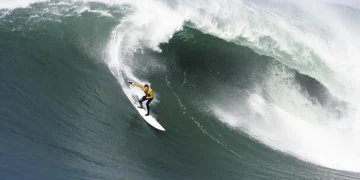







Surfing, once a niche sport associated with beach towns and laid-back coastal cultures, has evolved into a global phenomenon—and at the heart of this revolution is big wave surfing. With its blend of adrenaline, skill, and an undeniable connection to nature’s raw power, big wave surfing has captured the attention of not only surfers but also the broader public. The allure of riding waves that can exceed 20 feet (6 meters), some even reaching towering heights of 50 feet (15 meters) or more, has led to a surge in popularity, attracting thrill-seekers and athletes from all corners of the globe.
In this article, we will delve into the explosive rise of big wave surfing, examining its history, the science behind the waves, the athletes who have made it a global spectacle, and the cultural and environmental significance of this extreme sport. Whether you are a seasoned surfer or simply a spectator, the world of big wave surfing offers an exciting mix of danger, beauty, and mastery of one of nature’s most formidable forces.
1. Introduction: The Allure of Big Wave Surfing
Big wave surfing is often considered the pinnacle of the surfing world. Unlike traditional surfing, which involves riding waves that typically range from 3 to 10 feet, big wave surfing challenges athletes to conquer waves that dwarf those of regular surf spots. The sport is about more than just riding the waves—it’s about mastery, risk-taking, and embracing the power of nature in its most extreme form.
In the past two decades, big wave surfing has skyrocketed in popularity, turning once little-known surf destinations into global hotspots and bringing newfound fame to its elite athletes. From the North Shore of Oahu in Hawaii to the beaches of Portugal, Australia, and Mexico, these colossal waves are not only awe-inspiring but also a showcase of human perseverance and skill. The sport’s growing presence in the media, including documentaries, films, and competitions, has solidified its place as a cultural phenomenon—one that continues to captivate audiences worldwide.
2. The Rise of Big Wave Surfing: A Historical Perspective
The history of big wave surfing dates back to the early 20th century when the first pioneers of the sport began seeking out larger waves to challenge themselves. However, it wasn’t until the 1970s that big wave surfing truly began to emerge as a competitive and global pursuit. Key milestones in its development include:
2.1 The Early Years: Pioneering the Big Waves
Before the 1970s, most surfers rode waves that were considered medium to small by today’s standards. However, in the early years of the sport, surf culture had a distinct edge: surfers wanted to push the limits of what was possible. In the 1950s, Hawaiian surfers began venturing into more remote areas of the island to seek out larger waves. The North Shore of Oahu, Hawaii, was already known for its powerful surf, and the waves at Waimea Bay began to draw surfers from around the world.
The late 1960s and early 1970s saw an explosion in interest, particularly with the development of new surfboards designed to handle larger waves. The Gun—a longer, more streamlined board—became a staple for big wave surfers, designed to provide the necessary stability and speed to navigate the powerful surf.
2.2 The Golden Era: Pushing the Limits
In the 1970s, surfers like George Downing, Greg Noll, and Jack O’Neill were instrumental in pushing the boundaries of big wave surfing. These early pioneers began to tackle previously unimaginable waves at spots like Pipeline, Waimea Bay, and Mavericks in California. Greg Noll, in particular, is often credited with riding the first 30-foot waves at Waimea Bay in 1957, helping to elevate big wave surfing to the iconic sport it is today.
By the late 1980s and early 1990s, big wave surfing had developed into a more formalized competitive sport, with a growing number of athletes competing at major events such as the Quiksilver in Memory of Eddie Aikau at Waimea Bay.
2.3 The Modern Era: Big Waves Go Global
Fast forward to the 21st century, and the sport has become a global phenomenon. As technology has advanced, so too have the surfboards, gear, and techniques used to conquer the largest waves on earth. Big wave spots like Nazare in Portugal, Teahupo’o in Tahiti, and Jaws (Peahi) in Hawaii have become famous for producing some of the biggest waves ever surfed, and athletes are now regularly tackling waves that approach or exceed 60 feet (18 meters).
In recent years, the sport has also been recognized by the International Surfing Association (ISA) and other major organizations, leading to increased visibility through professional competitions and live-streamed events.
3. The Science of Big Waves: Understanding Nature’s Fury
Big wave surfing may appear to be a simple test of skill and bravery, but there is a deep scientific understanding behind the formation of these waves, the risks involved, and the physics that make them so dangerous and thrilling to ride. Understanding the science behind big waves not only enriches the surfing experience but also enhances the safety of athletes who ride them.
3.1 Wave Formation: The Anatomy of a Big Wave
Waves are primarily generated by wind, but big waves—those towering giants that surfers seek out—are the result of complex atmospheric and oceanic conditions. These waves are often created by storm systems far out at sea, where powerful winds blow across the surface of the ocean, transferring energy to the water. The size of the wave depends on several factors:
- Wind speed and direction: Strong winds over long distances (known as fetch) create larger waves.
- Ocean depth: As waves move toward shore and encounter shallow water, they slow down, causing their energy to be concentrated and their height to increase.
- Ocean floor topography: The shape of the seafloor—such as underwater reefs or sandbars—can cause waves to break more dramatically, creating the powerful and steep waves surfers crave.
3.2 Swells and Breaking Waves
While ocean swells are a regular occurrence, it’s the extraordinary swells that surfers focus on. These swells are not just large waves but are composed of long-period waves that can travel thousands of miles across the ocean. When these swells reach certain areas, often shallow reefs or coastlines with deep underwater topography, they begin to break, forming the massive, barreling waves that define big wave surfing.
3.3 The Physics of Riding a Big Wave
Surfing big waves is a complex skill that requires understanding both the physics of the wave and how to control the surfboard in the most turbulent conditions. Speed is key to successfully riding a big wave, as surfers must match the wave’s speed in order to stay ahead of it. The surfer must also maintain balance and timing, knowing when to drop in, carve, or maneuver to avoid getting trapped by the wave’s power.
4. Iconic Big Wave Surfing Spots Around the World
The world is home to some truly legendary big wave spots, where surfers travel from all over the globe to test their skills against some of nature’s most dangerous waves. These spots are known for producing giant, powerful waves that push even the most experienced surfers to their limits.
4.1 Pipeline, Hawaii (USA)
Pipeline is one of the most famous surf spots in the world, known for its massive barrels and powerful breaks. Located on the North Shore of Oahu, it is often considered the birthplace of big wave surfing. Surfers here often face waves in the 10-20 foot range, though occasionally, much larger swells roll in.
4.2 Teahupo’o, Tahiti
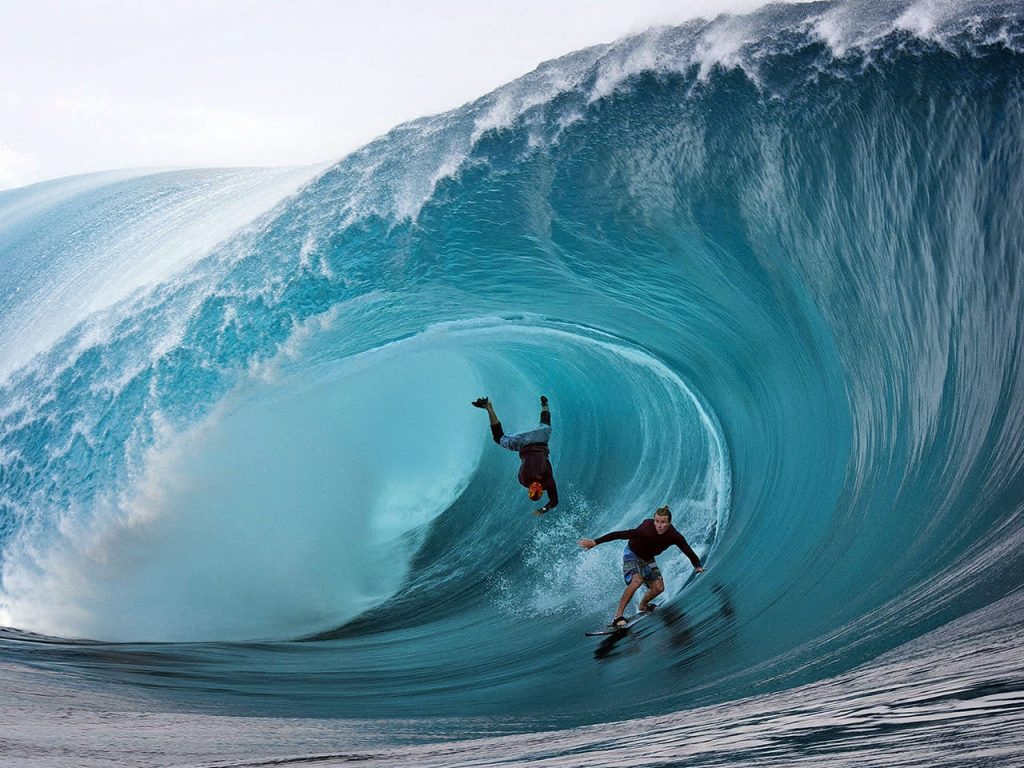
Teahupo’o is known for its thick, hollow waves that break onto a shallow reef, making it one of the most dangerous surf spots on earth. Its waves, which can exceed 20 feet, are often described as being the heaviest on the planet, offering some of the most challenging conditions for big wave surfers.
4.3 Nazare, Portugal
Nazare, located on Portugal’s Atlantic coast, is home to some of the biggest waves ever recorded. These waves can reach up to 100 feet (30 meters), thanks to the underwater canyon near the shore, which amplifies the size of the swells. This spot has gained international fame, with athletes like Garrett McNamara setting world records by riding waves of such monumental size.
4.4 Jaws (Peahi), Hawaii
Jaws (also known as Peahi) is another legendary spot in Hawaii. This surf break produces some of the largest waves in the world, with faces reaching 50 feet (15 meters) or more. Big wave surfers from all over the world travel to Peahi to test their mettle against the mighty waves.
5. The Future of Big Wave Surfing: Innovation and Safety
As big wave surfing continues to grow in popularity, technological advancements and improvements in safety protocols are helping to reduce the risks associated with the sport. Jet skis have revolutionized the way surfers approach big waves by providing tow-in surfing, where surfers are pulled into waves that would otherwise be too large to paddle into.
In addition, the use of drones and high-tech equipment like helmet cameras and GPS trackers has provided valuable insights into both the sport and safety measures. Furthermore, organizations like the World Surf League (WSL) are increasingly focusing on safety regulations, such as using life vests, helmets, and emergency evacuation systems to protect surfers during competitions and training.
6. Conclusion: The Power and Beauty of Big Wave Surfing
Big wave surfing continues to capture the human imagination with its combination of adventure, skill, and natural beauty. Surfers who dedicate their lives to mastering this sport embody the spirit of courage, perseverance, and respect for nature’s raw power. As technology continues to evolve and new surf spots are discovered, big wave surfing’s global popularity will only grow, bringing attention to the profound beauty and danger of these monumental waves.