







Australia is known for its stunning landscapes, from its iconic red deserts to its lush rainforests and pristine beaches. However, one of the country’s most captivating and unique natural wonders is its collection of pink lakes. These vibrant bodies of water, scattered across various regions of the Australian continent, have intrigued both scientists and travelers alike. The vivid hues of these lakes—ranging from soft pastels to deep magentas—create an otherworldly spectacle that draws visitors from all over the globe.
In this article, we will explore the phenomenon of Australia’s pink lakes, diving into the science behind their distinctive color, the ecological importance of these lakes, and some of the most famous pink lakes across the country. We’ll also discuss the cultural significance and the tourism industry that has developed around these natural wonders, providing insight into why they are both a source of fascination and a valuable ecological resource.
1. Introduction: The Allure of Australia’s Pink Lakes
Australia’s pink lakes are among the most extraordinary natural phenomena on Earth. These lakes, often found in remote or arid regions of the country, have become iconic not only for their unusual color but also for their role in the ecosystems they support. Their striking beauty has sparked the imagination of many, and the mystery surrounding their formation continues to captivate scientists and visitors alike.
The sight of a lake surrounded by dusty, sunbaked land, with water ranging from pale blush to a brilliant fuchsia, offers a stark contrast to the typically dry, barren environment. However, these lakes are not merely an aesthetic wonder; they play a crucial role in the regions’ ecology and economy, particularly in the production of salt and other minerals. Some pink lakes also serve as critical habitats for wildlife, contributing to biodiversity in often harsh environments.
2. The Science Behind the Pink Color
The characteristic pink color of these lakes is a result of a combination of environmental conditions and microorganisms that thrive in the unique habitats of these bodies of water. There are several factors that contribute to the color, but the primary cause is the presence of halophilic microorganisms—organisms that thrive in salty environments. These microorganisms, specifically certain types of algae and bacteria, produce pigments that give the water its distinctive hue.
2.1 Microorganisms: The Key to Color
At the heart of the pink color are the dunaliella salina algae and halobacteria. These microorganisms are adapted to extreme conditions, including high salinity and fluctuating temperatures, conditions that are common in Australia’s arid regions. The dunaliella salina algae, for example, produce a pigment called beta-carotene, which gives the water its pink or reddish hue. The halobacteria, on the other hand, release red pigments when exposed to salt-rich environments.
2.2 Salinity and Temperature Factors
High levels of salt are essential for the growth of these microorganisms. Most of the pink lakes in Australia are found in regions with high evaporation rates, which lead to the concentration of salts in the water. The lakes that are most likely to exhibit this phenomenon are typically found in areas with low rainfall and intense heat. This combination of factors—salt concentration, heat, and microbial activity—creates the perfect environment for the lakes to turn vibrant shades of pink.
3. Notable Pink Lakes in Australia
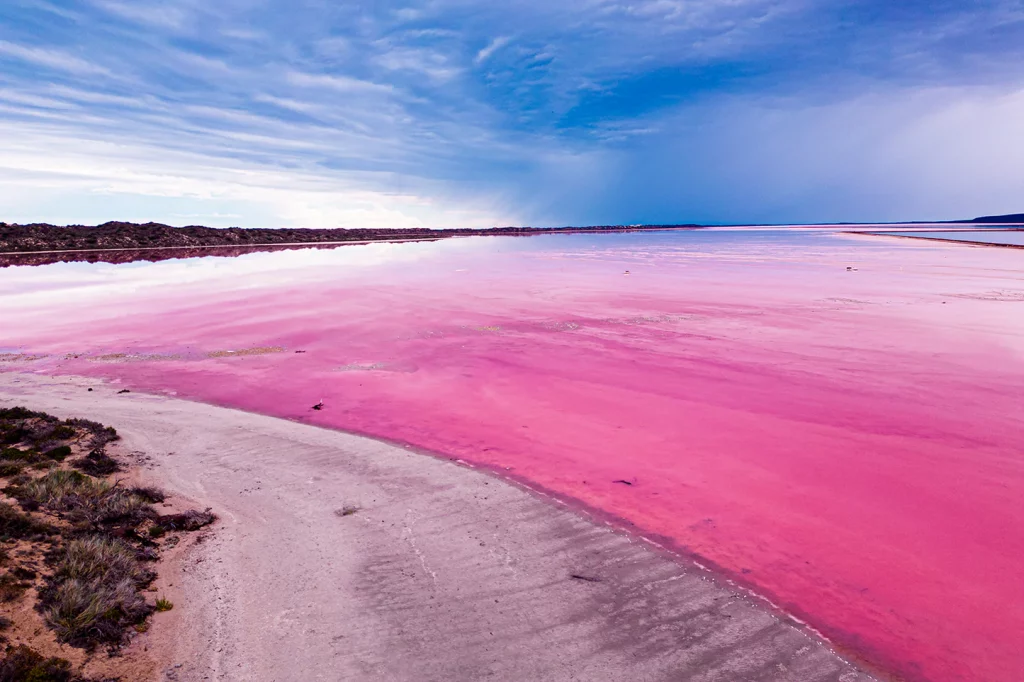
Australia is home to a variety of pink lakes, each with its own unique characteristics and charm. While many of these lakes are located in remote regions, several have become well-known tourist destinations due to their striking appearance and the mystique surrounding their formation. Here are some of the most famous pink lakes in Australia:
3.1 Lake Hillier (Western Australia)
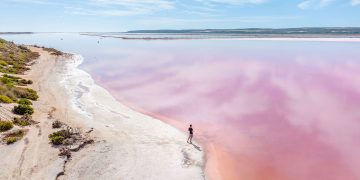
Perhaps the most famous of Australia’s pink lakes is Lake Hillier, located on Middle Island in Western Australia. This lake is renowned for its intense pink color, which is visible even from space. Lake Hillier’s unique hue is caused by the presence of the dunaliella salina algae, as well as a high concentration of salt. The lake’s striking appearance has made it one of the most photographed natural wonders in Australia.
- Notable Features:
- Intensity of Pink: Lake Hillier’s color is exceptionally vivid, often described as a bubblegum pink or fuchsia.
- Size and Isolation: The lake is relatively small, measuring around 600 meters in length, and is located on a remote island, accessible only by boat or air.
- Scientific Importance: The lake’s extreme isolation and unique ecological conditions make it a valuable site for scientific research on microbial life in extreme environments.
3.2 Lake MacDonnell (South Australia)
Another famous pink lake in Australia is Lake MacDonnell, located in the Nullarbor Plain of South Australia. This lake is known for its vivid pink color, which contrasts sharply with the surrounding dry, flat landscape. Lake MacDonnell is a salt evaporation pond, and its color is primarily due to the presence of dunaliella salina and other halophilic bacteria.
- Notable Features:
- Salt Production: Lake MacDonnell is not only a natural wonder but also a functioning salt production site. The high salinity of the water makes it an ideal location for harvesting salt.
- Accessibility: While the lake is accessible by car, visitors are advised to take precautions due to the remote location and the challenging terrain.
- Photogenic Location: The lake is a popular spot for photography, as its striking pink color contrasts beautifully with the arid surroundings.
3.3 Pink Lake (Victoria)
Located near the town of Dimboola in Victoria, Pink Lake is another well-known natural wonder. The lake’s color can vary depending on the time of year and the weather conditions, but it generally maintains a pale pink or lavender hue.
- Notable Features:
- Seasonal Changes: The color of Pink Lake can shift throughout the year, sometimes appearing more vibrant in the warmer months when the evaporation rate is higher.
- Tourism and Accessibility: Pink Lake is a popular stop for tourists traveling through the Grampians region of Victoria. The lake is easily accessible by road and is located just a short distance from the town of Dimboola.
- Environmental Impact: Pink Lake’s fluctuating color is an interesting aspect of its ecology, which is influenced by both microbial activity and seasonal weather patterns.
3.4 Lake Bumbunga (South Australia)
Situated in South Australia, Lake Bumbunga is a salt lake that also boasts stunning pink hues. The color of the lake can vary from pale pink to deep magenta, depending on the salt concentration and microbial activity in the water.
- Notable Features:
- Size and Location: Lake Bumbunga is a large lake, covering an area of about 1,500 hectares, and is located just north of the town of Snowtown.
- Environmental Factors: The lake’s color is heavily influenced by evaporation rates and the salinity of the water. In dry periods, the lake may become more intensely pink.
- Cultural Significance: The lake holds cultural importance for the local community and has become a popular spot for photography and nature walks.
4. Ecological and Environmental Importance of Pink Lakes
While the beauty of Australia’s pink lakes is undeniable, these ecosystems are also important for their biodiversity and environmental functions. These lakes provide unique habitats for a range of microorganisms and wildlife, and their salt-rich environments are crucial for understanding how life can thrive in extreme conditions.
4.1 Microbial Diversity
The high salinity and unique conditions of pink lakes support a range of halophilic microorganisms that can’t survive in less saline environments. These microorganisms, including bacteria, algae, and other microbes, are of particular interest to scientists studying life in extreme conditions. The study of these organisms provides valuable insights into how life might exist on other planets or in environments with high salt concentrations, such as on Mars or Europa, one of Jupiter’s moons.
4.2 Wildlife and Habitats
Pink lakes are often located in arid or semi-arid regions, where water is scarce. Despite the harsh conditions, many species of waterfowl, insects, and other wildlife can be found in and around the lakes. Birds such as flamingos and seagulls are attracted to these areas, as the lakes provide a source of food and habitat. Additionally, the salt content of the lakes means that they are often free from many predators, providing a safe environment for certain species.
4.3 Salt Production and Industrial Use
In addition to their ecological importance, pink lakes in Australia also have practical value. Many of these lakes, such as Lake MacDonnell, are used for salt production, with large-scale evaporation ponds harvesting the salt from the water. This process not only provides a valuable resource for industrial use but also highlights the symbiotic relationship between nature and human industry.
5. Conclusion: The Fascinating Mystery of Pink Lakes
Australia’s pink lakes are a true natural wonder, offering a striking visual experience that is as scientifically fascinating as it is aesthetically beautiful. The combination of microbial life, environmental factors, and the geological history of these lakes creates an ecosystem that continues to intrigue scientists and nature lovers alike.
These pink lakes are not just about the color; they represent a unique intersection of art, science, and ecology. Whether they are visited for their incredible natural beauty, the mystery behind their color, or their importance in salt production and biodiversity, Australia’s pink lakes remain one of the most spectacular and mysterious natural wonders on the planet.