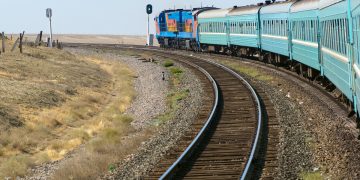










Central Asia, a region historically known for its position along the Silk Road, has re-emerged in the 21st century as a hub for transnational railway development. The region’s vast landscapes, strategic location between Europe and Asia, and rich natural resources have prompted countries to invest heavily in railway infrastructure to facilitate trade, regional integration, and economic growth. Central Asia’s railways not only connect countries but also serve as catalysts for socio-economic development, geopolitics, and cultural exchange.
This article provides an in-depth exploration of transnational railways in Central Asia, examining historical context, key infrastructure projects, economic impacts, operational challenges, technological innovations, and the geopolitical significance of these networks. By analyzing the multifaceted aspects of railway development, the article offers a comprehensive understanding of how Central Asia is redefining connectivity and regional cooperation.
1. Historical Context of Railways in Central Asia
The development of railways in Central Asia can be traced back to the late 19th and early 20th centuries when Russian imperial ambitions and the need for resource transportation drove initial railway construction. The Trans-Caspian Railway, connecting Turkmenistan to the broader Russian Empire, marked the first significant rail link in the region, facilitating trade and military mobility.
During the Soviet era, railway networks expanded extensively across Kazakhstan, Uzbekistan, Kyrgyzstan, Tajikistan, and Turkmenistan. Railways became critical for industrialization, resource extraction, and regional integration within the Soviet Union. The post-Soviet period presented new challenges as borders created by independence fragmented existing networks, requiring coordination and modernization to facilitate cross-border transport.
2. Strategic Importance of Transnational Railways
Transnational railways in Central Asia are not merely transportation infrastructure—they are strategic assets with multiple dimensions:
2.1 Economic Significance
Railways enable efficient transport of commodities such as oil, gas, minerals, agricultural products, and manufactured goods. By reducing transit times and costs compared to road transport, they enhance trade competitiveness for Central Asian economies.
2.2 Regional Connectivity
Rail links connect landlocked Central Asian countries to ports in the Caspian Sea, Persian Gulf, China, and Europe. This connectivity reduces reliance on single transit routes, promotes diversification, and facilitates regional cooperation.
2.3 Geopolitical Influence
Railways are central to China’s Belt and Road Initiative (BRI), linking Central Asia with Chinese markets, Europe, and the Middle East. Simultaneously, Russia leverages its historical rail networks to maintain economic influence. The interplay of these powers underscores the geopolitical dimension of rail infrastructure in the region.
3. Key Transnational Railway Projects
Several major projects exemplify the modern development of transnational railways in Central Asia:
3.1 Kazakhstan-China Rail Corridor
Connecting China’s western Xinjiang region with Kazakhstan and further to Europe, this corridor enhances trade along the modern Silk Road. The project features:
- Standard-gauge and broad-gauge transitions for compatibility.
- Freight-focused operations, facilitating exports of minerals and imports of manufactured goods.
- Development of logistics hubs and industrial zones along the route.
3.2 Trans-Caspian International Transport Route (TITR)
TITR links Central Asia with Azerbaijan, Georgia, and European markets via the Caspian Sea. The corridor reduces transit times for goods traveling from Central Asia to Europe, combining rail and maritime transport efficiently.
3.3 Uzbekistan-Kyrgyzstan-Tajikistan Rail Links
These projects aim to improve intra-regional connectivity, supporting both freight and passenger transport. The railways help integrate economies, foster cross-border cooperation, and enhance access to remote mountainous regions.
3.4 Turkmenistan-Iran Rail Corridor
Connecting Turkmenistan with Iran and the Persian Gulf, this line provides landlocked Central Asian states with access to international maritime trade, diversifying export routes for energy and agricultural products.
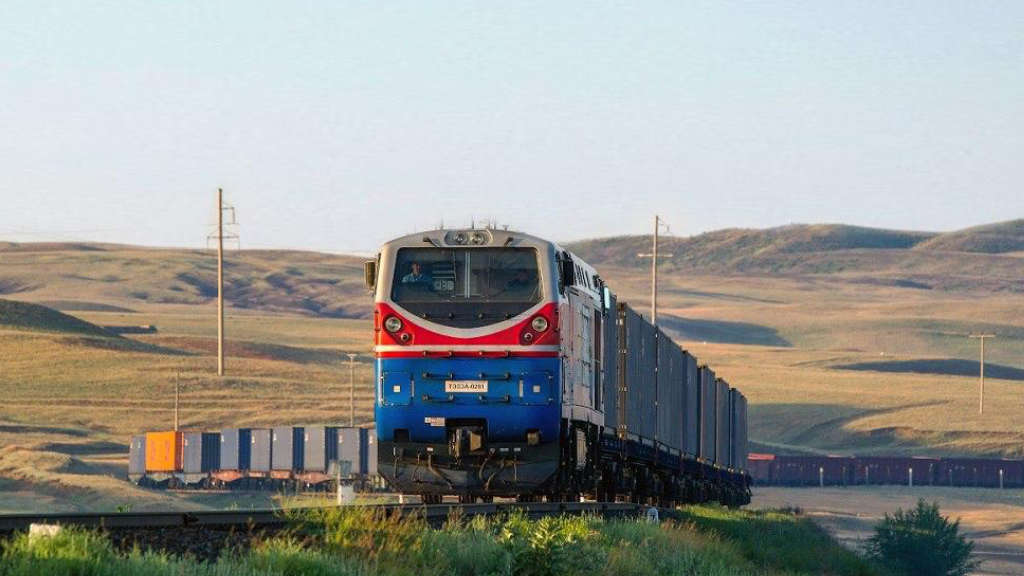
4. Technical and Operational Considerations
Building and operating transnational railways in Central Asia involves addressing complex technical and operational challenges:
4.1 Gauge Compatibility
Historically, the former Soviet states used broad-gauge tracks (1520 mm), whereas China and many international lines use standard-gauge (1435 mm). Transshipment facilities, dual-gauge tracks, and gauge-changing technology are employed to manage these differences efficiently.
4.2 Terrain and Climate Challenges
Central Asia features diverse terrains, from deserts to high mountains, and extreme climate conditions:
- Mountainous regions require tunnels, viaducts, and advanced engineering.
- Desert regions necessitate sand-control measures and heat-resistant materials.
- Seasonal temperature variations impact track stability, rolling stock performance, and maintenance schedules.
4.3 Signaling and Communication Systems
Modern railways require advanced signaling, real-time monitoring, and safety systems. Transnational corridors often integrate international standards for interoperability, including Automatic Train Control (ATC) and centralized traffic management systems.
4.4 Logistics and Freight Management
Efficient operation depends on:
- Intermodal terminals for container handling.
- Scheduling to reduce bottlenecks at border crossings.
- Customs harmonization to facilitate seamless cargo movement.
5. Economic and Social Impacts
Transnational railways have profound economic and social effects on Central Asia:
5.1 Trade Expansion
Rail connectivity lowers transportation costs, promotes exports, and attracts foreign direct investment. Minerals, oil, grain, and manufactured goods benefit from faster, more reliable logistics networks.
5.2 Industrial and Urban Development
Railways stimulate industrial zones, logistics parks, and urban growth along their corridors. Towns near major rail hubs often experience increased employment and infrastructure development.
5.3 Employment Opportunities
Railway construction and operations create jobs in engineering, logistics, maintenance, and administration, contributing to economic diversification in regions traditionally dependent on resource extraction.
5.4 Cultural Exchange
Passenger rail services facilitate cross-border travel, tourism, and cultural exchange, strengthening regional identity and understanding among Central Asian nations.
6. Environmental and Sustainability Considerations
Rail transport offers environmental advantages compared to road and air freight, but infrastructure development requires careful planning:
- Reduced Carbon Footprint: Railways are more energy-efficient and produce fewer greenhouse gas emissions per ton-kilometer than trucks.
- Habitat Preservation: Routes must minimize ecological disruption, avoid sensitive wildlife areas, and integrate wildlife crossings where necessary.
- Sustainable Materials and Practices: Using eco-friendly construction materials, recycling waste, and adopting energy-efficient rolling stock reduces environmental impacts.
7. Geopolitical Implications
Transnational railways influence the balance of power and economic influence in Central Asia:
- China: BRI projects enhance China’s economic reach and secure trade routes.
- Russia: Maintains influence through existing rail networks, especially in freight corridors connecting Europe and Asia.
- European Union: Invests in logistical connectivity to ensure trade access to Central Asian energy and raw materials.
- Regional Cooperation: Central Asian states leverage rail infrastructure for negotiation power, economic integration, and geopolitical positioning.
8. Challenges and Risks
Despite opportunities, transnational railways face several challenges:
- Border and Customs Delays: Different national regulations and procedures can slow transit.
- Political Instability: Conflicts or policy changes in one country can disrupt regional rail operations.
- Funding and Investment Gaps: Large-scale infrastructure projects require long-term financing, often involving complex public-private partnerships.
- Maintenance and Technical Expertise: Harsh conditions necessitate skilled labor and continuous infrastructure investment.
9. Case Studies of Successful Transnational Rail Integration
9.1 The New Silk Road Initiative
China’s railway projects connecting Central Asia to Europe demonstrate the transformative power of integrated rail corridors. Freight travel time from western China to Europe has decreased significantly, creating a competitive alternative to maritime shipping.
9.2 Kazakhstan’s Khorgos Gateway
Located at the China-Kazakhstan border, Khorgos has become a major logistics hub, facilitating container transshipment, customs efficiency, and industrial development. It exemplifies the economic potential of strategically positioned transnational rail terminals.
9.3 Turkmenistan-Azerbaijan Connectivity
The rail-maritime corridors connecting Central Asia to the Caspian and beyond illustrate innovative multimodal logistics solutions that integrate rail, sea, and road networks, enhancing regional trade efficiency.
10. Future Prospects
The future of transnational railways in Central Asia includes:
- High-Speed Passenger Rail: Connecting major cities for regional mobility.
- Digitalization and Smart Logistics: Using AI, IoT, and blockchain for tracking, scheduling, and customs processing.
- Green Energy Integration: Electrification of lines and renewable energy adoption for rolling stock.
- Expanded Regional Networks: Linking Afghanistan, Iran, and South Asia to Central Asia’s rail corridors to foster broader regional integration.
11. Conclusion: Railways as Catalysts for Regional Transformation
Transnational railways in Central Asia are more than transportation infrastructure—they are instruments of economic growth, regional integration, cultural exchange, and geopolitical strategy. By connecting landlocked nations to global markets, facilitating efficient trade, and stimulating socio-economic development, these railways reinforce Central Asia’s historical role as a bridge between East and West.
The ongoing development of modern, sustainable, and efficient railway networks promises to reshape the region’s economic landscape while fostering cooperation among nations. As technology, investment, and policy align, Central Asia’s railways are poised to become vital arteries of commerce, culture, and connectivity in the 21st century.