









Wood has been a cornerstone of human civilization for millennia. From constructing shelters and boats to crafting furniture and tools, the versatility of wood has shaped cultures, economies, and technologies. Wood processing, the journey from raw timber to finished products, is both an art and a science. It encompasses a wide array of techniques, machinery, and chemical processes that transform trees into usable materials while maintaining structural integrity, aesthetic appeal, and sustainability.
This article explores wood processing in depth, including the types of wood, harvesting methods, primary and secondary processing techniques, advanced industrial practices, and emerging trends in sustainable wood utilization. Through this comprehensive examination, readers gain a clear understanding of the technical, practical, and environmental aspects of wood processing.
1. Introduction: The Significance of Wood Processing
Wood processing is the critical bridge between natural forests and functional human products. It involves converting raw logs into boards, veneers, pulp, and finished goods that meet specific structural and aesthetic requirements. The process not only enhances usability but also reduces waste and increases the lifespan of wood through drying, chemical treatment, and machining.
Historically, wood processing began with simple tools—axes, chisels, and hand saws—but has evolved into a sophisticated industrial operation involving precision cutting, drying kilns, and computer-controlled machinery. Modern wood processing integrates engineering principles, material science, and sustainable forestry practices, reflecting a balance between economic, environmental, and societal demands.
2. Types of Wood and Their Characteristics
Understanding wood properties is essential for effective processing. Wood can be categorized into two primary types: hardwoods and softwoods.
2.1 Hardwoods
Derived from deciduous trees, hardwoods are generally denser and more durable. Examples include oak, maple, cherry, and mahogany. Characteristics include:
- Density and Strength: Suitable for furniture, flooring, and structural applications.
- Grain and Aesthetic Appeal: Hardwoods often have visually striking grains, making them ideal for decorative purposes.
- Workability: While durable, they may be more challenging to machine or carve.
2.2 Softwoods
Obtained from coniferous trees such as pine, spruce, fir, and cedar, softwoods are lighter and more flexible. Characteristics include:
- Lower Density: Easier to cut and shape, often used in construction and paper production.
- Resin Content: Provides natural resistance to insects and decay in some species.
- Cost-Effectiveness: Softwoods generally grow faster, making them a more economical option for large-scale production.
2.3 Engineered and Composite Woods
Beyond natural wood, engineered products like plywood, MDF (medium-density fiberboard), and particleboard are produced by bonding wood fibers with adhesives. These products provide uniformity, dimensional stability, and versatility in applications such as cabinetry, flooring, and wall panels.
3. Harvesting and Initial Processing
Before wood can be processed into finished products, it must be harvested and prepared. This stage emphasizes sustainability, efficiency, and minimizing damage to the raw material.
3.1 Sustainable Forestry Practices
Sustainable harvesting ensures long-term availability of timber and preservation of ecosystems. Practices include:
- Selective Logging: Removing only mature trees while preserving younger ones.
- Clear-Cutting with Replanting: Entire sections may be harvested with simultaneous replanting initiatives.
- Certification Systems: Programs like FSC (Forest Stewardship Council) ensure responsible sourcing.
3.2 Felling and Transportation
Felling involves cutting down trees using chainsaws, axes, or mechanical harvesters. Once felled, logs are debarked and transported to sawmills. Transport methods include trucks, rail, and river rafting, depending on terrain and infrastructure.
3.3 Sawing Techniques
At the sawmill, logs are cut into primary products such as boards, planks, and veneers. Common techniques include:
- Plain or Flat Sawing: Logs are cut tangentially to the growth rings, producing boards with varying grain patterns.
- Quarter Sawing: Logs are quartered and cut radially, yielding boards with straight grain and improved dimensional stability.
- Rift Sawing: Similar to quarter sawing but optimized for uniformity and minimal warping.
4. Wood Drying and Preservation
Raw timber contains significant moisture, which can lead to warping, shrinkage, or fungal growth if not properly managed.
4.1 Air Drying
Logs or boards are stacked in ventilated areas to allow natural moisture evaporation. This traditional method is energy-efficient but slow, taking several months to reach desired moisture levels.
4.2 Kiln Drying
Kiln drying uses controlled heat and humidity to reduce moisture content efficiently. Benefits include:
- Faster drying times.
- Reduced risk of decay and insect infestation.
- Improved mechanical properties for precision applications.
4.3 Chemical Treatments
To enhance durability, wood may undergo treatments such as:
- Pressure Treatment: Infusing wood with preservatives to resist insects and rot.
- Fire Retardants: Chemicals that slow combustion for safety in construction.
- Stains and Sealants: Protect against UV damage and enhance aesthetic appeal.
5. Secondary Processing and Machining
After initial cutting and drying, wood undergoes secondary processing to produce finished components or products.
5.1 Planing and Surfacing
Planing smooths rough lumber surfaces, ensuring uniform thickness and straightness. High-precision planers can achieve tolerances within millimeters, essential for cabinetry, furniture, and flooring.
5.2 Joinery and Assembly
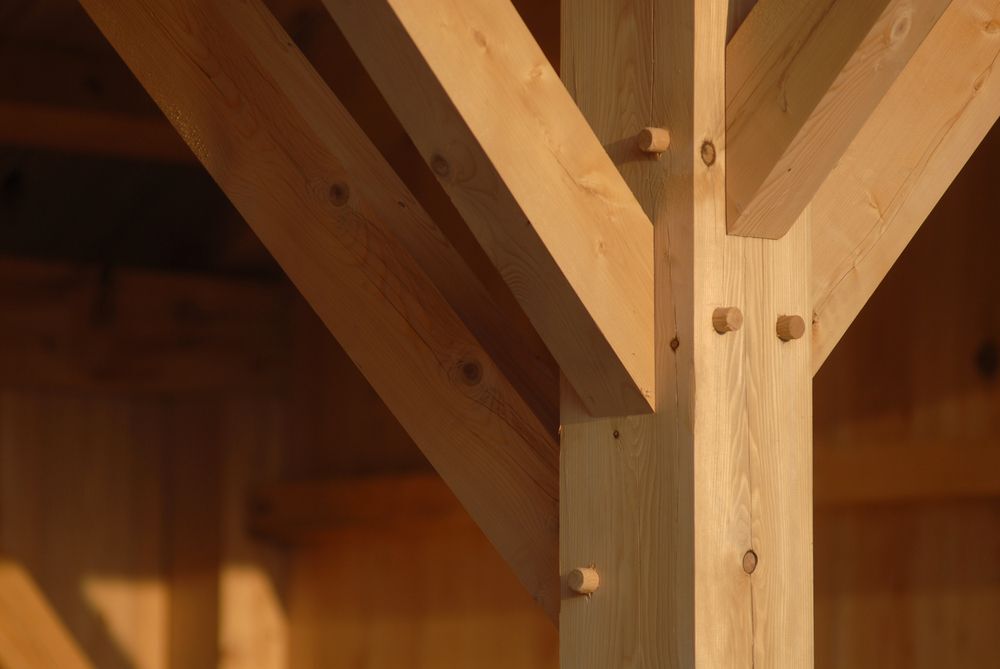
Woodworking techniques allow for structural connections without metal fasteners. Common methods include:
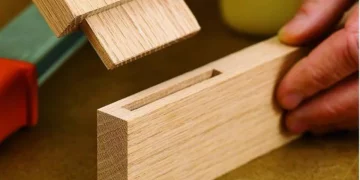
- Mortise and Tenon: Interlocking joint for strong furniture frames.
- Dovetail: Decorative and durable joint used in drawer construction.
- Biscuit and Domino Joinery: Modern methods using adhesive and wooden connectors for alignment and strength.
5.3 Shaping and Carving
Wood can be shaped into intricate designs using hand tools or CNC (computer numerical control) machines. CNC technology enables mass production of complex patterns with high precision.
5.4 Sanding, Finishing, and Coating
Surface preparation enhances both aesthetics and durability. Finishing processes include:
- Sanding: Removes roughness and prepares the surface for coatings.
- Staining: Alters color while highlighting grain patterns.
- Varnishing and Lacquering: Protects wood from moisture, UV rays, and wear.
6. Advanced Industrial Wood Processing
Modern wood industries incorporate advanced technology to optimize efficiency, safety, and product quality.
6.1 Computerized Sawmills
Automated systems use scanners and software to determine optimal cutting patterns, minimizing waste and maximizing yield.
6.2 Engineered Wood Production
Production of plywood, laminated veneer lumber (LVL), and oriented strand board (OSB) requires bonding layers or strands of wood with adhesives under heat and pressure. These products offer:
- Superior structural properties.
- Dimensional stability and uniformity.
- Versatility in construction and manufacturing applications.
6.3 Robotics and Automation
Robotic arms handle repetitive tasks such as cutting, sanding, and assembly, increasing productivity and reducing labor costs while maintaining precision.
7. Sustainability and Environmental Considerations
Wood processing has significant ecological implications, making sustainability a critical consideration.
7.1 Responsible Sourcing
Using certified timber and promoting reforestation ensures that forests remain productive and biodiversity is maintained.
7.2 Waste Management
By-products such as sawdust, bark, and wood chips can be converted into energy, mulch, or particleboard, minimizing environmental impact.
7.3 Reducing Carbon Footprint
Wood is a renewable resource that stores carbon. Sustainable processing and utilization reduce reliance on non-renewable materials and contribute to climate change mitigation.
8. Applications of Processed Wood
Processed wood is integral to countless industries:
- Construction: Lumber, plywood, and engineered wood for structural applications.
- Furniture and Cabinetry: Precision-crafted boards and panels for home and commercial use.
- Flooring: Hardwood, laminate, and engineered solutions for durability and design.
- Specialty Products: Musical instruments, decorative items, and artisan crafts.
9. Future Trends in Wood Processing
The future of wood processing involves technological innovation, sustainability, and multifunctional materials:
- Biodegradable Composites: Combining wood fibers with sustainable resins.
- Smart Wood Technology: Sensors embedded in wood for structural monitoring.
- Advanced Coatings: Nanotechnology for water repellency and UV resistance.
- Circular Economy Models: Reusing and recycling wood products to reduce waste.
10. Conclusion: Wood Processing as Art and Science
Wood processing is a multifaceted field that blends traditional craftsmanship with modern technology. From harvesting and sawing to finishing and assembly, each stage demands technical skill, scientific understanding, and creative vision. Beyond its practical applications, wood processing embodies human ingenuity and cultural heritage, producing materials and products that define our built environment, artistic expression, and daily lives.
By appreciating the processes behind timber transformation, we not only understand the complexity of the craft but also recognize the importance of sustainable and responsible practices. Wood, one of nature’s most versatile and renewable resources, continues to inspire innovation while connecting us to centuries of human history and artistry.