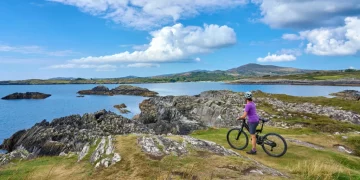










Introduction: The Allure of Cliffside Cycling
Cycling has long been a pursuit of freedom, adventure, and exploration. For many cyclists, the thrill of tackling challenging terrains and pushing their limits on rugged trails is what keeps them coming back for more. But for those who crave even greater excitement and breathtaking views, few experiences compare to the exhilarating challenge of cliffside cycling.
Riding on the edge of cliffs, with the deep abyss on one side and jagged rock faces on the other, is a true test of both skill and nerve. These cliffside cycling routes, often carved into the mountainsides or following the edge of dramatic coastlines, offer not just physical challenges but also visual feasts that make the journey unforgettable. The sheer heights, unpredictable weather, and narrow paths are just some of the elements that transform these routes into some of the world’s most extreme cycling adventures.
In this article, we will explore the allure of cliffside cycling, delve into some of the most famous cliff routes around the world, and examine the technical skills, equipment, and mental fortitude required to tackle these jaw-dropping trails.
1. What Makes Cliffside Cycling So Thrilling?
1.1 The High-Stakes Nature of Cliffside Cycling
Cliffside cycling is not for the faint-hearted. The routes are often narrow, winding, and perched on the edge of steep drop-offs. One misstep or momentary lapse in concentration could result in catastrophic consequences. This high level of risk is what makes cliffside cycling both terrifying and exhilarating.
The adrenaline rush that cyclists experience when riding along these precarious paths is something that cannot be replicated on safer, more traditional trails. The constant tension between danger and mastery is what keeps riders coming back for more. And for many, the ultimate reward is the sense of accomplishment that comes from conquering a path that only a select few dare to ride.
1.2 The Stunning Scenery and Spectacular Views
In addition to the thrill, one of the main attractions of cliffside cycling is the unmatched scenery that comes with it. Riding on these narrow, vertigo-inducing paths often means cyclists are treated to panoramic vistas of towering cliffs, deep valleys, lush forests, and crashing oceans below. The sights are breathtaking, and for those who take the time to stop and appreciate the view, it is an unforgettable experience.
The visual reward for overcoming the difficult terrain is immense. Few other cycling routes offer such dramatic landscapes and the opportunity to feel like a small part of something much grander, immersed in nature’s raw beauty.
2. Famous Cliffside Cycling Routes Around the World
Cycling on cliffs is a practice found all over the globe, from the towering mountains of the Himalayas to the rugged coastlines of South America. Here are a few of the world’s most famous and challenging cliffside cycling routes.
2.1 The Death Road (Yungas Road) – Bolivia
Perhaps one of the most famous cliffside cycling routes in the world is Bolivia’s Death Road, officially known as Yungas Road. The road earned its infamous name due to the sheer danger of its narrow, winding path carved into the side of the Andes mountains. It was once the main highway connecting La Paz to the town of Coroico, but after newer, safer roads were built, Yungas Road became a popular route for adventure cyclists.
The path is severely narrow, often less than 10 feet (3 meters) wide, and it drops dramatically on one side into the deep ravines of the Amazon Basin. The entire route is about 43 miles (69 kilometers) long, and at times, cyclists find themselves navigating through misty fog, rain, and even mudslides. Despite the dangers, the road is a bucket-list experience for many cyclists.
The ride takes cyclists through a variety of terrains, from cloud forests to tropical rainforests, offering a once-in-a-lifetime opportunity to experience the Himalayan foothills in an intensely personal way.
2.2 The Old Pacific Coast Road – California, USA
The Old Pacific Coast Road is a stunning cliffside cycling route that runs along the California coast from Big Sur to San Francisco. The route features steep inclines, sharp turns, and sheer drop-offs to the Pacific Ocean below. Riders are treated to spectacular views of the ocean, rugged coastlines, and the towering redwood trees that populate the inland forests.
Although it is a relatively accessible route compared to other extreme cliffside trails, the Old Pacific Coast Road still provides plenty of thrills with its sweeping views and challenging climbs. Many cyclists enjoy the opportunity to take in the wild beauty of the California coastline while riding along this coastal path.
2.3 The Camino del Rey – Spain
Spain’s Camino del Rey, also known as the King’s Pathway, was once one of the most dangerous paths in the world. Carved into the cliffs of the El Chorro Gorge in southern Spain, the route was originally built for workers to maintain a hydroelectric plant. However, it became infamous due to its dilapidated and dangerous condition. Cyclists today who tackle the route face a trail that is suspended high above the gorge with narrow walkways and sections of the path that are missing.
In recent years, the path has been reconstructed and reinforced, transforming it into a popular tourist and adventure destination. For cyclists, the challenge of navigating its steep cliffs, windy turns, and narrow paths is matched only by the spectacular views of the gorge and surrounding mountains. While the path is not as extreme as some others on this list, it still presents a serious challenge for those brave enough to cycle along it.
2.4 The Stelvio Pass – Italy
Stelvio Pass in the Italian Alps is one of the most iconic mountain climbs in the world. While it’s known primarily as a climbing route for road cyclists, the Stelvio Pass also offers incredible cliffside sections. With an elevation of over 9,000 feet (2,757 meters) and 48 hairpin bends, it’s one of the most challenging climbs for cyclists in Europe. The pass connects the regions of Lombardy and South Tyrol, offering steep, mountainous terrain that climbs dramatically and opens to breathtaking views of the Alps.
Cycling the Stelvio Pass is not for the faint-hearted. The ride is extremely difficult, with steep grades reaching up to 14% in some places. However, for cyclists who love a challenge, this pass offers an unforgettable experience, with the opportunity to ride along the cliffs of one of the most majestic mountain ranges in the world.
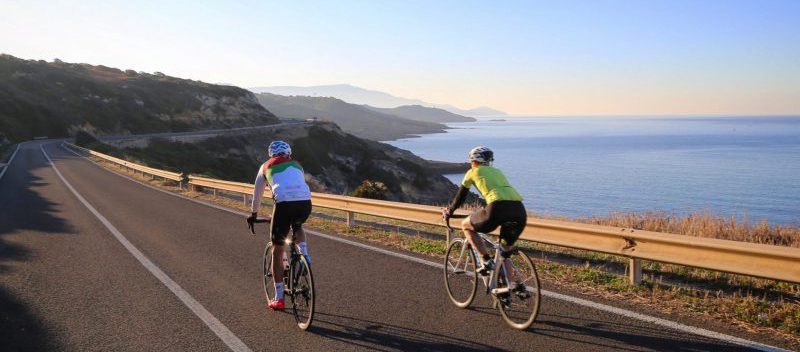
3. Skills and Equipment Required for Cliffside Cycling
3.1 Technical Skills
Riding along cliffs requires advanced technical cycling skills. Unlike typical mountain biking, cliffside routes demand exceptional balance, bike-handling abilities, and mental control. Cyclists must have experience navigating tight turns, steep gradients, and rough terrain. Additionally, being able to maintain speed control is crucial, especially on paths that have sheer drop-offs or loose gravel.
Having the right mindset is also essential. Cyclists must be able to handle high-stress situations and remain calm under pressure. The potential for vertigo or panic is high, and keeping a clear head is key to riding safely and effectively.
3.2 Specialized Equipment
Cyclists riding on cliffside routes need to equip themselves with the best gear to ensure their safety and performance. Some essential equipment includes:
- Mountain Bikes with Full Suspension: These bikes are designed to handle rough, uneven terrain and provide stability on steep, rocky trails.
- Climbing Gloves: For maintaining grip and protecting hands from blisters and cuts.
- Helmet and Protective Gear: A full-face helmet, elbow pads, knee pads, and body armor are highly recommended for high-risk rides.
- Bike Lights and Safety Equipment: Cliffside trails can be difficult to navigate, and proper lighting is crucial for both day and night rides.
- Hydration Systems: Cliffside cycling often involves long, strenuous rides, so it’s essential to stay hydrated with backpacks or bottles designed to carry water.
3.3 Navigating the Elements
The weather conditions along cliffside cycling routes can vary drastically. Cyclists must be prepared for wind, rain, and sometimes even snow. In certain areas, especially along coastlines or in high-altitude regions, sudden weather changes can make cycling particularly dangerous. Being able to navigate these challenging conditions requires both experience and caution.
4. Safety Considerations and Environmental Impact
4.1 Minimizing Risk
Cycling on cliffs is inherently dangerous, and safety should always be a priority. Riders should never attempt extreme cliffside routes without proper preparation. It’s important to:
- Ride with a buddy for safety.
- Avoid riding alone in isolated areas.
- Always check weather forecasts before heading out.
- Make sure your equipment is in top condition and suitable for the terrain.
4.2 Respecting Nature and Preserving Trails
As cycling grows in popularity, it is essential to ensure that cliffside routes remain sustainable and eco-friendly. Cyclists should always adhere to Leave No Trace principles by avoiding damaging trails, picking up after themselves, and respecting local wildlife.
Conclusion: Embracing the Edge of Adventure
Cliffside cycling is the ultimate challenge for thrill-seekers and adventure lovers. The combination of stunning vistas, high-risk terrain, and physical difficulty makes these routes some of the most exciting and rewarding in the world. Whether it’s the narrow pathways of the Death Road, the windswept cliffs of California, or the towering peaks of the Stelvio Pass, these rides offer the ultimate test of cycling ability and endurance.
For those brave enough to face the edge of adventure, cliffside cycling will continue to push the boundaries of what is possible, offering unforgettable experiences and a lifetime of thrilling memories.