









Introduction
There is something uniquely exhilarating about solo camping on a mountain ridge. The windswept vistas, the sense of solitude, and the challenge of surviving in one of nature’s most rugged and beautiful environments combine to create an experience that few other forms of outdoor adventure can match. Ridge camping—setting up camp on a mountain ridge or high-altitude plateau—is an activity that draws people seeking a deep connection with nature, solitude, and an adrenaline-fueled adventure.
For those who are willing to challenge their endurance and self-sufficiency, ridge camping offers a sense of freedom and self-discovery. However, it also requires careful preparation, knowledge of the terrain, and an understanding of the risks and rewards involved in such a high-stakes activity.
This article delves into the art of ridge camping, exploring its challenges, the preparation required, and the extraordinary experience it offers to solo adventurers and seasoned backpackers alike. From selecting the right ridge to the essential skills needed for a successful trip, this guide will equip you with everything you need to embark on a mountain ridge camping adventure.
1. The Thrill and Beauty of Ridge Camping
1.1 The Allure of the Ridge
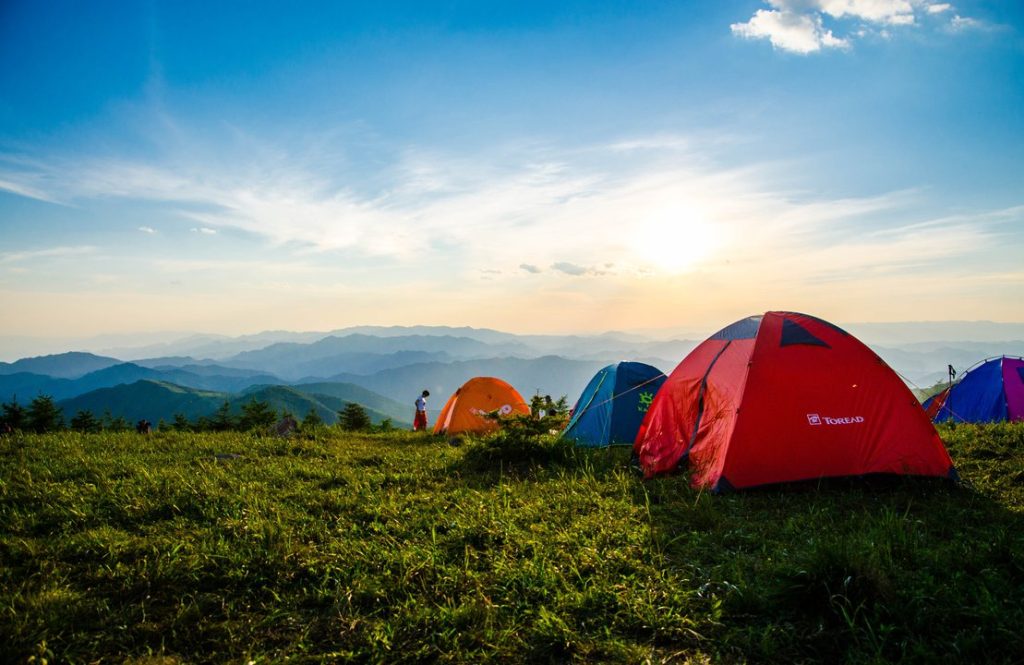
A mountain ridge is a narrow, elevated stretch of land that typically runs along the crest of a mountain. These ridges offer some of the most dramatic and breathtaking views in the natural world. Camping on a ridge offers a bird’s-eye view of the surrounding landscape, providing sweeping vistas of valleys, forests, rivers, and distant peaks.
The allure of ridge camping lies in the sense of isolation and freedom that comes with being high up, often above the tree line, surrounded only by the elements and your own thoughts. This makes it an ideal choice for those seeking a break from the distractions of daily life, a chance to reconnect with nature, and an opportunity to test their resilience.
1.2 Immersive Wilderness Experience
Ridge camping allows you to immerse yourself fully in the wilderness. The majestic views, the crisp mountain air, the sound of the wind howling through the ridges—every moment feels intimate and raw. There are no distractions from civilization; the only sounds are those of nature. Whether you’re watching the sunrise from your tent or listening to the subtle movement of wildlife below, the wilderness experience is powerful and profound.
For those who enjoy solitude, the lack of human presence is an added bonus. The ridges are often remote, and most mountain ridges are far removed from hiking trails and campgrounds, offering a sense of peace and isolation that few other places can provide.
1.3 The Challenge and Adventure
Ridge camping is not for the faint of heart. It is an activity that demands both physical endurance and mental toughness. The terrain can be difficult to navigate, often requiring long ascents and descents, traversing narrow ridgelines, and dealing with the unpredictability of mountain weather.
However, it is this challenge that makes ridge camping so appealing to seasoned adventurers. There’s a sense of accomplishment that comes from reaching the summit and setting up camp in such a remote and exposed location. The combination of physical exertion and mental fortitude needed for ridge camping creates a unique, fulfilling experience that is incredibly rewarding.
2. Benefits of Ridge Camping
While ridge camping is undoubtedly challenging, it also offers a wide range of benefits—physical, mental, and emotional. For those brave enough to embark on this adventure, the rewards are well worth the effort.
2.1 Physical Health and Fitness
Ridge camping is a physically demanding activity that combines aspects of backpacking, climbing, and endurance hiking. The strenuous nature of the terrain—often characterized by steep inclines, rocky paths, and unpredictable weather—provides an excellent cardiovascular workout. Hiking along mountain ridges engages major muscle groups, improving strength, stamina, and balance.
- Core and Leg Strength: The challenging terrain strengthens the core muscles, legs, and glutes, as hikers need to balance themselves on unstable ground and climb steep slopes.
- Endurance: The extended periods of walking at high altitudes enhance endurance and improve overall fitness. The combination of uphill climbs and uneven terrain tests and increases stamina over time.
- Calorie Burn: Ridge camping provides an intense physical workout that can burn a significant number of calories, helping with weight loss and muscle toning.
2.2 Mental and Emotional Benefits
Spending time in nature—especially in such a rugged and wild environment—has numerous psychological benefits. The solitude of ridge camping can lead to deep introspection and emotional renewal.
- Stress Reduction: Nature is known for its ability to reduce stress, and ridge camping is no exception. The physical exertion combined with the calming presence of nature creates a perfect environment for stress relief.
- Improved Mental Clarity: The quietude of the ridge, the isolation from distractions, and the mental challenge of navigating rough terrain often lead to heightened mental clarity. Many people find that their thoughts become clearer when they are away from the noise and busyness of everyday life.
- Self-Discovery: The challenge of solo ridge camping forces individuals to rely on their own abilities, making it a transformative experience. Surviving in such an environment can reveal inner strengths and resilience, leading to greater confidence and self-assurance.
2.3 Connection with Nature
Ridge camping offers a unique opportunity to engage with nature on a profound level. Being surrounded by vast mountain landscapes, watching wildlife from a distance, and feeling the elements of the wind, rain, or sun on your skin creates a deeper connection to the earth.
- Wildlife Observation: Ridge camping gives you the chance to observe wildlife in its natural habitat. You might spot deer, mountain goats, or even birds of prey circling the ridge. The opportunity to witness nature in this undisturbed state is incredibly rewarding.
- Environmental Awareness: Spending extended periods in nature can increase your awareness of the environment and foster a deeper appreciation for natural landscapes. Many ridge campers leave the experience with a renewed sense of environmental stewardship and a commitment to protecting wilderness areas.
3. Essential Skills for Ridge Camping
To make the most of your ridge camping experience, it is essential to develop certain skills. Ridge camping presents unique challenges that require a blend of outdoor skills, from navigation to survival techniques. Here are some of the key skills needed to ensure a successful and safe trip:
3.1 Navigation and Route Planning
Unlike traditional camping, which often takes place in established campgrounds, ridge camping requires a solid understanding of navigation. Whether you’re hiking a familiar route or venturing into unknown territory, you need to be able to read topographic maps, use a compass, and have experience with GPS devices.
- Route Selection: Careful route planning is essential to ensure you are not walking into dangerous or impassable terrain. Understanding the elevation and weather conditions of the area helps you plan accordingly.
- Trail-less Navigation: Ridge camping often takes place off well-established trails, which means you will need to use dead reckoning and map reading to navigate. Learning how to use natural landmarks and sun orientation to guide your path is crucial.
3.2 Survival and Emergency Skills
Ridge camping takes you into remote areas where help is not always available. This means you must be prepared for unexpected situations, such as sudden weather changes, injury, or equipment failure.
- First Aid: Carry a well-stocked first aid kit and know how to treat common injuries like sprains, cuts, or blisters. Basic wilderness first aid skills are essential for staying safe in the wild.
- Fire Building: Know how to safely build a campfire using available materials, especially if you are in an area without access to a stove or cooking gear.
- Shelter Building: In an emergency, you may need to build a shelter from available resources. Learn how to construct an emergency shelter using a tarp, bivy sack, or natural materials.
3.3 Physical Conditioning
Ridge camping demands a high level of physical fitness. Prior to your trip, it’s important to train your body to handle the physical strain of hiking at high altitudes, navigating rugged terrain, and carrying heavy packs.
- Endurance Hiking: Long-distance hiking builds the stamina required to cover steep ridges and rough terrain. Start with shorter hikes and progressively increase your distance and elevation.
- Strength Training: Ridge camping requires a lot of strength, particularly in the legs and core. Weight training and exercises like lunges, squats, and core strengthening will help prepare you for the physical demands of the trip.
4. Gear and Equipment for Ridge Camping
The right gear is crucial for ridge camping. The terrain, weather conditions, and altitude can vary dramatically, so being prepared with the appropriate equipment can make all the difference between a successful adventure and a dangerous situation.
4.1 Shelter and Sleeping System
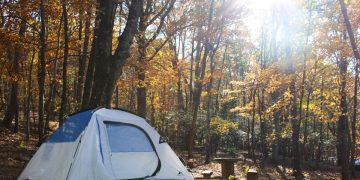
- Tent: A lightweight, weather-resistant tent is essential for ridge camping. Consider a 4-season tent if you’re heading into areas where snow, strong winds, or rain are likely.
- Sleeping Bag: Choose a sleeping bag rated for the lowest temperature you expect to encounter. Down sleeping bags are warm and lightweight, while synthetic bags are better at retaining warmth when wet.
- Sleeping Pad: An insulated sleeping pad will help keep you warm by providing a layer between your body and the cold ground.
4.2 Cooking and Hydration
- Portable Stove: A small, lightweight stove is essential for cooking meals at high altitudes.
- Water Purification: Carry a water filter or purification tablets to ensure you have access to clean drinking water from streams or lakes.
- Food: Dehydrated meals or high-energy, lightweight food is ideal for ridge camping, as it takes up less space and is easier to carry.
4.3 Clothing and Layering
- Base Layer: Wear moisture-wicking base layers to keep sweat off your skin and prevent chafing.
- Mid Layer: Insulating layers like fleece or down jackets will help retain body heat in cooler conditions.
- Outer Layer: A waterproof and windproof jacket is essential for dealing with unpredictable mountain weather.
- Footwear: Sturdy, comfortable hiking boots with ankle support are necessary for navigating rugged terrain.
5. Challenges of Ridge Camping
While ridge camping offers incredible rewards, it also comes with a set of challenges that must be taken into account:
5.1 Weather Conditions
Weather on mountain ridges can change rapidly and without warning. One moment, you may have clear skies and sunshine, and the next, you could be facing high winds, rain, or even snow. Ridge camping requires a readiness to adapt to these sudden shifts in weather.
5.2 Safety Concerns
Mountain ridges can be dangerous, particularly when hiking alone. The narrow, exposed nature of many ridgelines means you must be cautious of fall hazards and always stay aware of your surroundings.
5.3 Isolation and Self-Sufficiency
Ridge camping is a solitary activity, and being alone in a remote location can be both physically and mentally challenging. It requires self-sufficiency and the ability to problem-solve in difficult situations, as help is often far away.
Conclusion
Ridge camping is an exhilarating and deeply rewarding outdoor adventure, offering a unique combination of breathtaking beauty, physical challenge, and solitude. Whether you’re seeking personal reflection, testing your survival skills, or simply enjoying the peace of nature, a ridge camping experience can be a life-changing journey.
By preparing adequately, mastering the necessary skills, and respecting the challenges of the environment, you can ensure a safe and fulfilling ridge camping adventure. So pack your gear, lace up your boots, and set your sights on the summit—the mountain awaits.