









Introduction
In an era dominated by urbanization, digital screens, and fast-paced living, the allure of wild camping has captured the imagination of countless adventurers. Often referred to as backcountry camping or primitive camping, wild camping is the act of setting up a camp away from designated campgrounds, typically in remote and untamed natural settings. This form of camping offers unparalleled freedom and a unique opportunity to connect with nature in its most raw and unfiltered form.
The freedom of wild camping is not just about escaping civilization; it’s about embracing a simpler, more sustainable way of living, and finding peace in solitude or companionship in the vast outdoors. Whether you’re seeking the serenity of a remote forest, the adventure of a mountain peak, or the thrill of the open desert, wild camping allows you to experience the natural world like few other activities can.
This article explores the irresistible charm of wild camping, detailing its benefits, challenges, and the profound sense of freedom it provides. We’ll delve into the essential skills required, the preparation needed for a safe and enjoyable experience, and the long-lasting impact wild camping can have on one’s mindset and lifestyle.
1. The Essence of Wild Camping: What Makes It So Appealing?
1.1 A Return to Simplicity and Freedom
At its core, wild camping is about returning to the basics. Unlike organized campsites that come with amenities such as toilets, showers, and power hookups, wild camping strips everything down to its simplest form. It’s about self-reliance and embracing the rhythm of nature—waking with the sunrise, falling asleep under the stars, and listening to the sounds of the wind and wildlife.
For many, the charm of wild camping lies in this sense of freedom. There’s no set schedule, no need to conform to rules, and no artificial barriers. You are free to choose your location, your pace, and your activities. This lack of constraints allows individuals to experience true autonomy, free from the pressures of modern life.
1.2 Connection to Nature
Wild camping offers an unparalleled opportunity to connect deeply with nature. When you camp in a remote location, away from human development, you are immersed in an environment that often feels untouched and pure. Whether it’s the sight of a distant mountain peak, the sounds of birds calling, or the feeling of cool mountain air brushing your skin, these moments of connection become a reminder of the beauty and power of the natural world.
Spending time in nature can also have profound mental health benefits. Research has shown that time spent outdoors helps to reduce stress, improve mood, and even enhance cognitive function. Wild camping can be a way to disconnect from the noise and distractions of everyday life, offering a peaceful sanctuary that rejuvenates both the mind and body.
1.3 Adventure and Challenge
For many, wild camping is synonymous with adventure. The unpredictability of the wilderness offers a constant sense of discovery. From the thrill of exploring new terrain to the challenge of adapting to the elements, wild camping pushes individuals out of their comfort zones and encourages personal growth.
Every aspect of wild camping can be an adventure, whether you’re navigating rough terrain, cooking over an open fire, or simply finding the perfect spot to set up camp. The challenges are part of what makes wild camping so satisfying—it requires resourcefulness, adaptability, and creativity.
2. The Benefits of Wild Camping: Why It’s Gaining Popularity
Wild camping has experienced a resurgence in recent years, with an increasing number of people flocking to remote areas to experience the joy and freedom it offers. Below, we highlight some of the most significant benefits of this outdoor lifestyle.
2.1 Mental Health and Stress Relief
In today’s world, stress has become a part of daily life. Work pressures, social media distractions, and the constant hustle can all take a toll on our mental well-being. Wild camping offers a natural remedy for stress. The experience of being surrounded by nature has been proven to help reduce anxiety, depression, and mental fatigue.
The practice of being present in nature, focusing on basic tasks like setting up camp or gathering firewood, forces your mind to slow down and disconnect from the usual noise. The lack of technology and digital devices creates a peaceful environment that promotes mindfulness and relaxation.
2.2 Building Resilience and Self-Reliance
Wild camping requires individuals to rely on their own skills and resources to survive and thrive in the wilderness. From reading maps and using a compass to building a shelter or purifying water, every task is an opportunity to build resilience and self-sufficiency.
When you’re out in the wild, you’re often faced with unexpected challenges—whether it’s inclement weather, difficult terrain, or wildlife encounters. Successfully overcoming these obstacles boosts self-confidence and provides a sense of accomplishment.
2.3 Environmental Awareness and Sustainability
One of the most significant aspects of wild camping is its emphasis on living in harmony with the environment. Wild campers are typically more attuned to the land they occupy, and many are motivated by a desire to leave no trace. Practicing Leave No Trace principles—such as packing out all waste, minimizing campfire impact, and respecting wildlife—encourages sustainable living and helps preserve the natural beauty of our wilderness areas for future generations.
Wild camping also fosters a deeper understanding of the environmental issues at stake. Spending time in nature provides first-hand insight into the effects of climate change, habitat destruction, and pollution, often motivating campers to become advocates for environmental preservation.
2.4 Physical Health Benefits
Wild camping is physically demanding, requiring activities such as hiking, carrying gear, building fires, and cooking outdoors. These tasks engage muscles and improve cardiovascular health, strength, and endurance.
Additionally, the act of breathing fresh air, getting sunlight, and engaging in physical activity helps improve overall physical health. Studies show that spending time outdoors can also help regulate sleep patterns, boost immune function, and reduce the risk of chronic diseases like heart disease and diabetes.
3. Essential Skills and Preparation for Wild Camping
Wild camping is not something to be undertaken without adequate preparation. Unlike traditional campgrounds, wild camping environments can be unpredictable and challenging. Below are some essential skills and tips to ensure a successful and safe wild camping experience.
3.1 Navigation Skills
One of the most important skills for wild camping is the ability to navigate through the wilderness. Without well-marked trails or signs, you’ll need to know how to read maps and use a compass or GPS device. Navigation skills can help you avoid getting lost and ensure you find the best campsites in your chosen area.
3.2 Shelter and Sleeping Systems
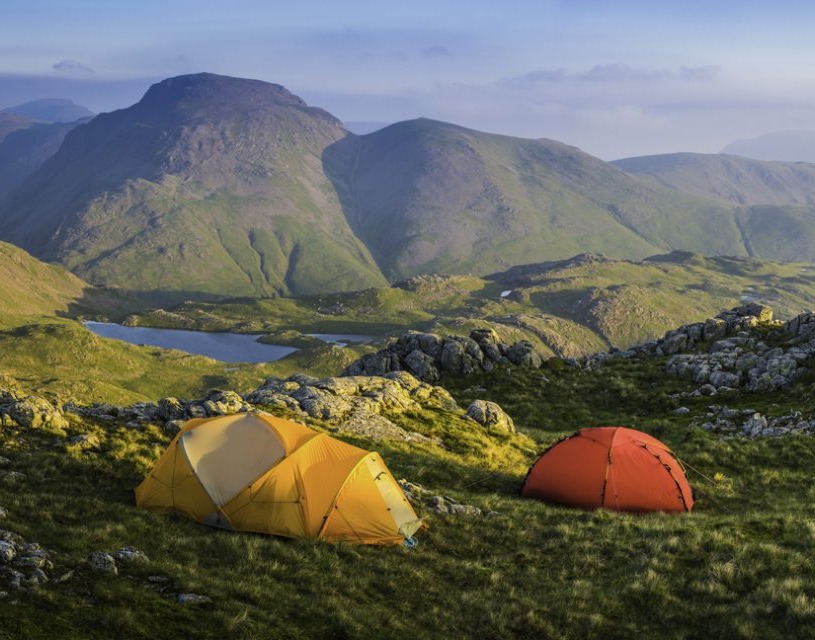
Having the right shelter is crucial when wild camping. The type of tent or bivouac sack you choose will depend on the terrain and weather conditions. In some cases, you may want to use a lightweight tarpaulin or hammock for a minimalist approach.
Additionally, proper sleeping bags and insulation layers are necessary to stay warm during colder nights. Sleeping pads are also important for providing comfort and protection from the cold ground.
3.3 Food and Water
Wild camping requires careful planning when it comes to food and water. Most wild campers will need to bring dehydrated food or ready-to-eat meals, as resupplying in remote areas is difficult. You should also have a reliable stove or campfire equipment to cook your meals.
Access to clean water is a top priority. Always carry a water filtration system or purification tablets to ensure your water is safe to drink. It’s also important to know the location of nearby streams or rivers.
3.4 First Aid and Emergency Preparedness
Safety should always be a priority when wild camping. Accidents and injuries can occur in remote areas, so it’s important to bring a first aid kit that includes basic medical supplies such as bandages, antiseptics, and pain relievers.
You should also know how to signal for help in case of an emergency. A whistle, mirror, or flare can be used to attract attention, and a satellite phone or personal locator beacon (PLB) may be necessary for extended backcountry trips.
4. The Wild Camping Community: Embracing Adventure with Like-Minded Souls
Wild camping has become more than just an individual pursuit—it has fostered a community of passionate adventurers. From online forums and social media groups to organized meetups and events, the wild camping community thrives on shared experiences, tips, and a love for the outdoors.
For many people, wild camping offers an opportunity to connect with others who share the same sense of adventure and appreciation for nature. The friendships formed during wild camping trips are often deep and long-lasting, as individuals bond over the shared challenges and joys of the experience.
5. Challenges of Wild Camping: How to Overcome Them
While wild camping offers immense rewards, it is not without its challenges. The unpredictable nature of the wilderness can present difficulties that require adaptability and perseverance.
5.1 Weather Conditions
Weather can change rapidly in the wild. Rain, snow, wind, and extreme temperatures can all make camping more difficult. It’s important to be prepared for changing conditions by packing weather-resistant gear and being adaptable in your plans.
5.2 Wildlife Encounters
Wildlife encounters are an exciting but potentially dangerous aspect of wild camping. Whether it’s a curious bear, an unexpected snake, or a swarm of mosquitoes, understanding how to coexist safely with wildlife is essential. Always store food securely and know how to handle potential encounters.
5.3 Limited Resources and Isolation
In remote areas, food, water, and shelter resources can be scarce. Additionally, being far from civilization means that help is not always readily available. It’s important to carry enough supplies, plan your route carefully, and be prepared for emergencies.
6. Conclusion: Embracing the Wild
The freedom and adventure offered by wild camping are undeniable. For those seeking to disconnect from the chaos of modern life, reconnect with nature, and experience personal growth, wild camping offers an unparalleled opportunity to explore the beauty and challenges of the wilderness. The charm of wild camping lies in its simplicity, the sense of adventure, and the deep, personal connection it fosters with the natural world.
By preparing properly, learning essential skills, and embracing the spirit of adventure, anyone can experience the thrill and satisfaction of spending time in the wild. Whether it’s a weekend getaway or an extended backcountry journey, wild camping has the power to transform both individuals and communities, offering a deep sense of fulfillment and an unforgettable connection to the natural world.