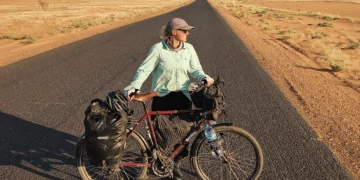







Travel has long been celebrated as a pathway to discovery, not only of the world but also of oneself. Beyond leisure and sightseeing, travel—especially immersive, extended, or challenging journeys—can profoundly reshape a traveler’s perspective, values, and priorities. For many, a single journey becomes a pivotal turning point, catalyzing personal growth, career shifts, or even complete life transformations.
This article delves deeply into the mechanisms, experiences, and outcomes of transformative travel. It explores psychological, social, cultural, and practical dimensions, providing a detailed framework for understanding how journeys can change lives. The goal is to offer both scholarly insight and practical guidance for travelers, educators, and professionals interested in the intersection of travel and personal development.
1. The Concept of Transformative Travel
1.1 Defining Transformative Travel
- Transformative travel refers to journeys that result in significant shifts in identity, perspective, values, or life trajectory.
- It differs from casual tourism in depth, engagement, and lasting impact.
1.2 Historical and Cultural Context
- Pilgrimages, exploration expeditions, and early anthropological fieldwork illustrate that transformative experiences through travel are timeless phenomena.
- Modern examples include solo backpacking, volunteer abroad programs, cultural immersion trips, and long-distance expeditions.
1.3 Key Characteristics
- Immersion: Engaging deeply with local cultures, traditions, and environments.
- Challenge: Facing physical, emotional, or logistical difficulties.
- Reflection: Processing experiences and deriving personal insights.
- Transformation: Implementing lessons learned in post-travel life.
2. Psychological Mechanisms of Transformation
2.1 Exposure to New Environments
- Novel experiences stimulate neuroplasticity and encourage adaptive thinking.
- Encountering unfamiliar landscapes, customs, or languages challenges cognitive schemas and fosters creativity.
2.2 Self-Efficacy and Resilience
- Overcoming travel challenges—navigating unfamiliar cities, managing emergencies, or surviving harsh conditions—strengthens confidence.
- These experiences enhance problem-solving skills and cultivate emotional resilience.
2.3 Perspective Shift and Empathy
- Direct interaction with diverse populations fosters cross-cultural understanding and empathy.
- Witnessing different socioeconomic conditions or lifestyles can challenge preconceived notions and biases.
2.4 Mindfulness and Presence
- Traveling encourages engagement with the present moment, enhancing mindfulness and reducing stress.
- Natural landscapes, cultural rituals, and slower-paced journeys promote reflective thought and emotional balance.

3. Types of Life-Changing Journeys
3.1 Solo Adventures
- Solo travel intensifies self-discovery and independence.
- Common experiences include hiking remote trails, backpacking across continents, or navigating solo urban exploration.
3.2 Cultural Immersion Programs
- Living with local families, participating in traditional practices, or learning indigenous crafts fosters deep understanding.
- Examples: Homestays, language immersion programs, or apprenticeship-style experiences.
3.3 Volunteer and Humanitarian Travel
- Engaging in social or environmental service projects provides perspective on global issues.
- Examples: Wildlife conservation, rural education, disaster relief.
3.4 Extreme or Challenging Expeditions
- Physical endurance journeys, such as mountaineering, desert treks, or polar expeditions, push personal limits.
- These experiences foster resilience, discipline, and self-reliance.
4. Social and Cultural Dimensions
4.1 Building Meaningful Relationships
- Travelers often form deep connections with locals and fellow travelers.
- Shared challenges and cultural exchange create lasting interpersonal bonds.
4.2 Cultural Adaptation and Sensitivity
- Immersive travel encourages adaptation to unfamiliar norms and traditions.
- Developing cultural competence enhances social skills, empathy, and global awareness.
4.3 Community Engagement
- Active participation in local communities fosters mutual understanding and respect.
- Example: Collaborating in local markets, festivals, or environmental initiatives.
5. Practical Planning for Transformative Journeys
5.1 Defining Personal Objectives
- Identify motivations: self-discovery, career exploration, skill acquisition, or cultural learning.
- Align destination, activities, and duration with personal goals.
5.2 Preparing Logistically
- Budgeting for extended travel, visas, insurance, vaccinations, and equipment.
- Developing a flexible itinerary that allows spontaneity and adaptation.
5.3 Health and Safety Considerations
- Physical training for demanding environments.
- Emergency planning and local knowledge acquisition.
5.4 Emotional Readiness
- Developing resilience for uncertainty, discomfort, and potential isolation.
- Cultivating reflective practices such as journaling or meditation.
6. Reflection and Self-Discovery
6.1 Journaling and Documentation
- Recording daily experiences encourages self-reflection and insight.
- Visual, written, or audio documentation captures both external observations and internal growth.
6.2 Cognitive Reframing
- Travel challenges require problem-solving and perspective shifts.
- Reframing obstacles as learning opportunities fosters adaptive thinking.
6.3 Identifying Core Values
- Immersion in different cultures helps clarify personal values, priorities, and life goals.
- Travelers often reassess career choices, relationships, or lifestyle habits based on insights gained.
7. Transformative Effects on Career and Life Trajectory
7.1 Career Shifts and Entrepreneurship
- Exposure to new ideas, industries, or social challenges can inspire career changes.
- Example: Travelers becoming social entrepreneurs, international consultants, or educators.
7.2 Lifestyle and Habit Changes
- Experiencing alternative lifestyles encourages sustainable living, minimalism, or mindfulness practices.
- Long-term adoption of travel habits, such as walking, cycling, or slow travel, influences daily life.
7.3 Academic and Research Opportunities
- Fieldwork, cultural immersion, and environmental observation can lead to scholarly research, publications, and professional growth.
8. Emotional and Psychological Outcomes
8.1 Increased Self-Confidence
- Successfully navigating unknown environments reinforces self-efficacy.
8.2 Enhanced Resilience
- Overcoming physical, logistical, and social challenges strengthens coping mechanisms.
8.3 Expanded Worldview
- Understanding global interconnections, inequalities, and cultural diversity fosters open-mindedness.
8.4 Emotional Fulfillment
- Experiencing awe, wonder, and profound moments in nature or culture contributes to life satisfaction.
9. Stories of Transformative Travel
9.1 The Solo Backpacker
- A traveler navigating Southeast Asia alone gains confidence, learns multiple languages, and discovers a passion for cultural anthropology.
9.2 The Humanitarian Volunteer
- Volunteering in East Africa catalyzes a shift from corporate work to sustainable development initiatives.
9.3 The Extreme Expeditioner
- Crossing the Arctic or climbing high-altitude peaks teaches resilience, patience, and the value of meticulous planning.
9.4 The Immersive Cultural Participant
- Living with indigenous communities fosters deep empathy and inspires lifelong advocacy for cultural preservation.
10. Framework for Leveraging Travel for Personal Transformation
- Intentional Planning – Identify objectives and desired outcomes.
- Immersive Engagement – Participate actively in local culture and community.
- Reflective Practice – Use journaling, meditation, and discussion to process experiences.
- Adaptive Flexibility – Embrace uncertainty and be open to change.
- Integration Post-Travel – Implement lessons learned into career, lifestyle, and worldview.
11. Challenges and Pitfalls
11.1 Unrealistic Expectations
- Expecting instant life transformation can lead to disappointment.
- Solution: Recognize growth as gradual and cumulative.
11.2 Cultural Misunderstandings
- Insensitivity or miscommunication can strain relationships.
- Solution: Cultivate humility, listen actively, and prioritize local guidance.
11.3 Physical and Emotional Strain
- Extended travel may cause fatigue, isolation, or anxiety.
- Solution: Plan rest periods, maintain health routines, and seek social support.
11.4 Financial and Logistical Constraints
- Budget limitations or transportation challenges can limit experiences.
- Solution: Prioritize activities, plan flexible routes, and explore low-cost options.
12. The Role of Reflection in Lasting Change
- Post-travel reflection is critical for internalizing insights and implementing transformation.
- Techniques include structured journaling, therapy or coaching, creative expression, and sharing experiences with others.
- Reflection ensures that travel influences long-term decisions rather than being a temporary escape.
13. Integrating Travel Lessons into Daily Life
13.1 Mindset Shifts
- Adopting curiosity, patience, and openness in everyday interactions.
13.2 Lifestyle Adjustments
- Sustainable practices, prioritizing experiences over possessions, and embracing simplicity.
13.3 Career and Education
- Applying insights to professional goals, interdisciplinary projects, or further studies.
13.4 Relationships and Social Networks
- Valuing diversity, cultivating empathy, and maintaining global connections.
14. Conclusion
Travel has the unparalleled power to reshape perspectives, values, and life paths. Whether through cultural immersion, solo adventure, humanitarian work, or extreme expeditions, journeys that challenge, inspire, and engage can catalyze profound personal transformation.
The transformative impact of travel lies not merely in the destinations visited but in the reflective engagement, resilience, and adaptability cultivated along the way. Travelers who embrace immersion, self-reflection, and ethical participation often emerge with enhanced confidence, expanded worldviews, and a renewed sense of purpose.
Ultimately, a single journey can alter life trajectories, inspire career shifts, foster meaningful relationships, and cultivate lifelong personal growth. For those willing to travel deeply, mindfully, and openly, the world becomes not just a collection of destinations but a mirror reflecting the potential for transformation within themselves.