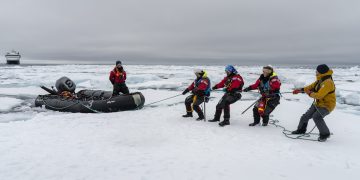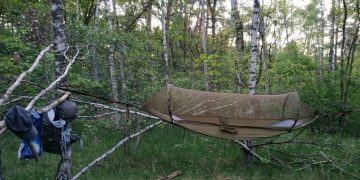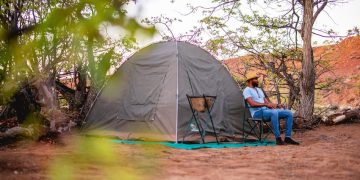










Camping in untouched natural environments is a profoundly rewarding experience, offering solitude, a connection with nature, and an opportunity to disconnect from modern life. However, human presence inevitably leaves traces, which, if not carefully managed, can degrade ecosystems, disturb wildlife, and impact future generations’ ability to enjoy these landscapes. “Leave No Trace” (LNT) camping, also called minimal impact or low-impact camping, is a set of principles and practices designed to reduce the environmental footprint of outdoor activities. By mastering these techniques, campers can enjoy wilderness areas responsibly while preserving their ecological integrity.
This guide provides a comprehensive, professional, and practical approach to Leave No Trace camping, covering planning, campsite selection, waste management, fire practices, food storage, and the broader ethical and psychological dimensions of sustainable outdoor living.
1. Understanding the Concept of Leave No Trace
1.1 Origins and Philosophy
The Leave No Trace philosophy emerged from increasing awareness in the 1960s–1970s about the environmental impacts of outdoor recreation. It emphasizes:
- Minimizing physical impact on soils, vegetation, and waterways
- Avoiding disturbance to wildlife
- Respecting cultural and historical sites
- Educating campers to take personal responsibility for their footprint
1.2 Core Principles
The LNT organization identifies seven fundamental principles:
- Plan Ahead and Prepare: Ensure safety and reduce unnecessary impact.
- Travel and Camp on Durable Surfaces: Protect fragile environments by using established trails or previously impacted areas.
- Dispose of Waste Properly: Leave sites clean and free of all human waste and garbage.
- Leave What You Find: Preserve natural and cultural objects.
- Minimize Campfire Impacts: Use stoves or existing fire rings; avoid unnecessary fires.
- Respect Wildlife: Observe from a distance and avoid feeding animals.
- Be Considerate of Other Visitors: Reduce noise, avoid disturbing solitude, and share space respectfully.
2. Planning a Minimal Impact Camping Trip
2.1 Selecting a Suitable Location
- Wilderness Areas: National parks, state forests, or designated backcountry zones with minimal human disturbance.
- Capacity Considerations: Avoid crowded sites that have already experienced significant impact.
- Environmental Sensitivity: Identify fragile ecosystems, wetlands, or high-altitude zones that require extra caution.
2.2 Timing Your Trip
- Travel during shoulder seasons to reduce congestion.
- Avoid wildlife breeding or migration periods to minimize disturbance.
- Prepare for variable weather to reduce emergency impacts on the environment.
2.3 Gear Selection
- Lightweight and Compact Gear: Reduces pressure on trails and soil.
- Durable Tents and Pads: Prevent soil erosion and damage to vegetation.
- Reusable Items: Stainless steel or BPA-free containers, cloth towels, and utensils minimize disposable waste.
- Portable Toilets or WAG Bags: For regions without restroom facilities.
3. Campsite Selection and Setup
3.1 Choosing a Durable Surface
- Trails and Established Sites: Where permitted, these are the least damaging options.
- Rock, Sand, or Gravel: Hard surfaces resist erosion and protect vegetation.
- Avoid Fragile Areas: Grass, moss, wetlands, and alpine soils are easily damaged and slow to recover.
3.2 Tent Placement
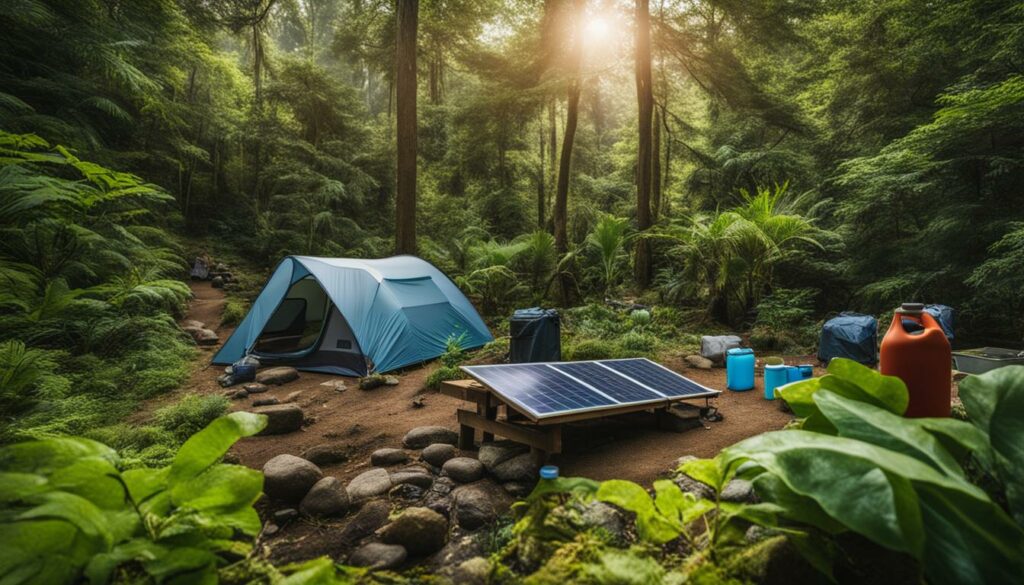
- Use existing clearings or previously impacted zones.
- Avoid compacting roots or burying vegetation under tent footprints.
- Consider natural windbreaks to minimize need for stakes and guy lines that could damage terrain.
3.3 Minimizing Ground Impact
- Ground Tarps: Use minimal-size footprint beneath tents.
- Leave Soil Intact: Do not dig trenches or alter the natural drainage.
- Site Rotation: Move tent placement if camping for multiple nights in the same area.
4. Food and Cooking Practices
4.1 Food Storage
- Bear-Resistant Containers: Prevent wildlife encounters and human-wildlife conflicts.
- Hanging Food Bags: Use a rope to suspend food from trees, following recommended guidelines.
- Avoid Strong Scents: Reduce attraction of animals.
4.2 Cooking Methods
- Portable Stoves: Preferred over open fires for low-impact cooking.
- Designated Fire Rings: If fires are allowed, use existing fire pits.
- Campfire Alternatives: Sterno cans, alcohol burners, or gas stoves minimize wood collection and soil burn.
4.3 Waste Management
- Pack out all packaging and uneaten food.
- Compostable waste should be carried out if regulations prohibit burying.
- Use biodegradable soap sparingly and at least 60 meters from water sources.
5. Human Waste and Hygiene
5.1 Toilet Options
- WAG Bags or Portable Toilets: Best for sensitive or highly regulated areas.
- Catholes: In areas where permissible, dig 15–20 cm deep, at least 60 meters from water, trails, and campsites.
- Pack Out: Pack out toilet paper and hygiene products to avoid contamination.
5.2 Hand Hygiene
- Use hand sanitizer instead of soaps near water sources.
- Wash at least 60 meters from streams or lakes.
5.3 Waste Water Disposal
- Greywater should be dispersed over soil or vegetation, not dumped directly into streams.
- Avoid detergents in natural water sources.
6. Wildlife Considerations
6.1 Observation Without Disturbance
- Observe animals from a distance using binoculars.
- Avoid making loud noises that disrupt natural behaviors.
6.2 Avoid Feeding Wildlife
- Feeding animals can alter their natural habits, cause disease, and attract predators.
- Store all food and waste securely.
6.3 Seasonal Awareness
- Avoid nesting sites and breeding areas during sensitive periods.
- Maintain appropriate buffer zones around dens and burrows.
7. Minimizing Environmental Impact During Activities
7.1 Trail Use
- Stay on established trails and avoid shortcutting switchbacks.
- Cross streams at designated points to prevent bank erosion.
- Avoid trampling vegetation off-trail.
7.2 Fire Impact Reduction
- Prefer stoves over open fires.
- Use existing fire rings if fires are permitted.
- Burn only dead wood that is already down and ensure full extinguishment.
7.3 Noise and Light Pollution
- Maintain quiet to protect wildlife and other visitors’ experience.
- Use headlamps with red light to preserve night vision and minimize wildlife disturbance.
8. Ethical Principles and Outdoor Etiquette
8.1 Respect for Cultural Sites
- Do not remove artifacts or touch archaeological features.
- Maintain distance from sacred or ceremonial areas.
8.2 Consideration for Other Visitors
- Yield on narrow trails and communicate politely.
- Camp out of sight of other groups when possible to preserve solitude.
- Keep music and voices at low volume to avoid disturbing nature.
8.3 Education and Advocacy
- Teach others about minimal impact practices.
- Advocate for sustainable camping policies in local communities.
9. Psychological and Spiritual Benefits
9.1 Mindfulness and Reflection
- Immersion in natural environments enhances mental clarity and reduces stress.
- Solitude encourages meditation and self-reflection.
9.2 Connection with Nature
- Observing wildlife and natural cycles fosters a sense of stewardship.
- Practicing minimal impact strengthens environmental awareness and ethics.
9.3 Personal Growth
- Planning and executing low-impact trips develops problem-solving skills and resilience.
- Facing environmental challenges in remote areas builds confidence and independence.
10. Advanced Techniques for Experienced Campers
10.1 Long-Term Minimal Impact Expeditions
- Rotate campsites to allow ecological recovery.
- Use lightweight, packable shelters and solar-powered equipment.
- Combine Leave No Trace with ultralight backpacking strategies.
10.2 Water and Resource Management
- Purify water efficiently without damaging surroundings.
- Collect minimal water from natural sources and return unused portions to original locations.
10.3 Winter or Extreme Climate LNT Camping
- Follow specialized insulation and shelter practices to reduce environmental impact.
- Avoid creating permanent trails in fragile snow or tundra environments.
11. Common Mistakes and How to Avoid Them
- Overpacking: Excess weight leads to trail widening and soil compaction.
- Improper Waste Disposal: Pollutes water and soils; pack out all waste.
- Ignoring Seasonal Sensitivities: Can disturb wildlife and fragile vegetation.
- Excessive Fire Use: Destroys soil nutrients and increases wildfire risk.
- Trail Shortcutting: Leads to erosion and permanent landscape damage.
By anticipating these mistakes, campers can proactively minimize their ecological footprint.
12. Conclusion
Leave No Trace camping is more than a set of rules; it is a philosophy of respect, stewardship, and responsibility. By planning carefully, selecting durable sites, managing food and waste, minimizing fire impact, and respecting wildlife and other visitors, campers can enjoy pristine natural environments without leaving lasting scars.
Practicing LNT in wilderness areas preserves ecosystems, enhances the experience for future visitors, and fosters a deep personal connection to nature. Beyond environmental stewardship, it cultivates mindfulness, resilience, and a profound appreciation for the delicate balance of the natural world.
Whether backpacking through alpine meadows, deserts, forests, or coastal zones, Leave No Trace camping ensures that every adventure leaves the environment exactly as it was found—a pristine sanctuary for wildlife and a source of inspiration for generations to come.