









Introduction: The Importance of Plant Identification
In the wilderness, knowledge of edible plants can be just as critical as finding water or building shelter. Foragers, survivalists, and outdoor enthusiasts rely on plant identification skills to secure nutritious and safe food sources, particularly when modern supplies are unavailable.
However, misidentification can be dangerous or even fatal. Many wild plants closely resemble edible varieties but contain toxic compounds. Therefore, understanding plant characteristics, habitat, and preparation methods is essential for safe and effective foraging.
This article provides a comprehensive, professional guide to identifying edible plants, exploring principles, techniques, common species, seasonal availability, preparation methods, and safety considerations. It is designed to equip outdoor adventurers with the knowledge to confidently recognize and use wild plants as a vital survival resource.
1. The Role of Wild Edible Plants in Survival
1.1 Nutritional Value
Wild plants offer a range of nutrients:
- Vitamins and Minerals: Rich in vitamin C, potassium, calcium, and iron
- Macronutrients: Some roots, tubers, and seeds provide carbohydrates and fats
- Medicinal Compounds: Certain plants can aid digestion, treat wounds, or boost immunity
1.2 Food Security in Wilderness Scenarios
- Provides sustenance when conventional food is unavailable
- Supplements rations for long treks or emergency situations
- Can prevent malnutrition and improve energy levels
1.3 Cultural and Historical Significance
- Indigenous communities have relied on wild plants for millennia
- Traditional knowledge provides insight into sustainable harvesting
- Modern bushcraft enthusiasts incorporate plant identification as a core survival skill
2. Principles of Edible Plant Identification
Proper plant identification relies on observation, knowledge, and verification techniques:
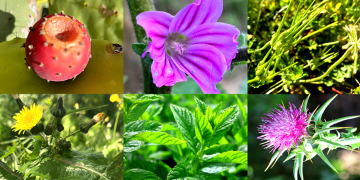
2.1 Visual Characteristics
- Leaves: Shape, arrangement, and edge patterns
- Flowers: Color, shape, blooming season
- Fruits and Seeds: Size, color, taste, and protective layers
- Stem and Bark: Texture, color, sap, and growth pattern
2.2 Habitat and Growth Patterns
- Recognize which ecosystems support specific plants
- Identify seasonal cues for optimal foraging
- Understand plant clustering, soil preference, and sunlight requirements
2.3 Taste and Caution Testing
- Only used when certain of non-toxicity
- Follow the Universal Edibility Test: test in small quantities after skin contact, lips, and tongue exposure
- Always cook or process plants known to contain mild toxins
2.4 Cross-Referencing with Reliable Sources
- Field guides, apps, and botanical reference books
- Local foraging workshops or experienced guides
- Digital databases and ethnobotanical research
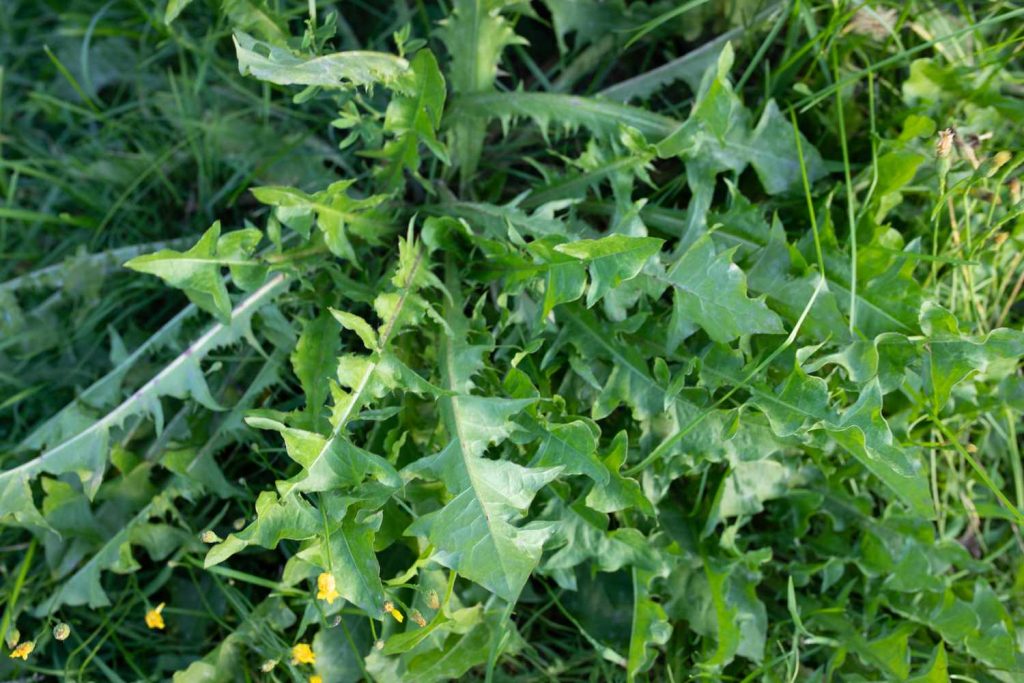
3. Common Categories of Edible Wild Plants
3.1 Leafy Greens and Herbs
- Dandelion (Taraxacum officinale): Leaves, flowers, and roots edible; rich in vitamins A and C
- Plantain (Plantago major): Leaves can be eaten raw or cooked; medicinal properties
- Wild Spinach (Amaranthus spp.): High in iron and calcium; cook to reduce oxalates
3.2 Roots, Tubers, and Rhizomes
- Cattail (Typha spp.): Rhizomes rich in starch; edible cooked or roasted
- Burdock (Arctium lappa): Roots require peeling and cooking; rich in fiber
- Wild Carrot (Daucus carota): Young roots edible; older roots may be tough or bitter
3.3 Fruits and Berries
- Blackberries (Rubus fruticosus): Safe, nutrient-rich, and widely available
- Elderberries (Sambucus spp.): Must be cooked; raw berries may be toxic
- Wild Strawberries (Fragaria vesca): Sweet, vitamin-rich, and easily recognizable
3.4 Nuts and Seeds
- Acorns (Quercus spp.): Require leaching to remove tannins before consumption
- Walnuts (Juglans spp.): High in healthy fats; harvest in autumn
- Sunflower Seeds (Helianthus annuus): Can be roasted or eaten raw
3.5 Edible Flowers
- Nasturtium (Tropaeolum majus): Peppery flavor; leaves, flowers, and seeds edible
- Violets (Viola spp.): Flowers and young leaves safe and nutritious
- Hibiscus (Hibiscus spp.): Petals can be brewed into teas rich in antioxidants
4. Foraging Safety and Risk Management
4.1 Avoiding Toxic Look-Alikes
- Hemlock vs. Wild Carrot: Hemlock is deadly; always verify leaf pattern, smell, and stem markings
- Foxglove vs. Comfrey: Foxglove contains cardiac glycosides; comfrey edible in moderation
- Use multiple characteristics—leaf shape, flowers, habitat—to confirm identity
4.2 Seasonal and Environmental Considerations
- Avoid plants near contaminated soil or industrial areas
- Harvest only mature plants suitable for consumption
- Be aware of insect infestation or fungal contamination
4.3 Legal and Ethical Foraging
- Respect private property and protected areas
- Take only what you can use; ensure sustainable harvesting
- Avoid overharvesting sensitive or rare species
5. Processing and Preparation Techniques
Some plants require preparation to remove toxins or improve digestibility:
5.1 Cooking Methods
- Boiling, steaming, roasting, or stir-frying
- Reduces oxalates, cyanogenic glycosides, or bitterness
- Improves nutrient bioavailability
5.2 Fermentation and Drying
- Fermented greens can be stored for longer periods
- Drying roots and leaves preserves food for survival kits
5.3 Leaching and Soaking
- Necessary for acorns, certain tubers, and some leafy greens
- Removes tannins and soluble toxins
6. Foraging Tools and Techniques
6.1 Basic Tools
- Knife or Multi-tool: Cutting and trimming
- Foraging Basket or Bag: Breathable storage for plants
- Gloves: Protect hands from thorns or irritating plants
- Field Guide: Essential for reference and verification
6.2 Ethical Harvesting Techniques
- Take only what is needed; leave part of the plant to regenerate
- Cut stems cleanly rather than uprooting entire plants
- Rotate harvesting areas to maintain plant populations
7. Integrating Plant Knowledge into Survival Plans
7.1 Daily Nutrition Planning
- Combine protein sources (nuts, seeds) with leafy greens for balanced nutrition
- Prioritize high-calorie plants in cold climates or high-exertion scenarios
- Monitor hydration alongside foraging to avoid fatigue
7.2 Emergency Situations
- Wild plants can supplement rations if pre-packaged food runs out
- Knowing multiple edible species reduces risk in unfamiliar terrain
- Combine with water purification and shelter skills for complete survival strategy
7.3 Cultural and Medicinal Knowledge
- Use plants with recognized medicinal properties (plantain for cuts, yarrow for inflammation)
- Respect traditional knowledge and regional expertise
8. Common Mistakes and How to Avoid Them
- Relying on taste alone: Sweet does not mean safe; bitterness can be protective
- Single-character identification: Use multiple plant characteristics
- Overharvesting or habitat damage: Sustainable foraging is crucial
- Ignoring preparation: Some edible plants are toxic when raw
Key Principle: Safety is paramount—when in doubt, do not consume.
9. Educational Resources and Community
- Books: “Edible Wild Plants” by Bradford Angier, “Peterson Field Guide to Edible Wild Plants”
- Apps: iNaturalist, PlantSnap, Seek for real-time identification
- Workshops: Local foraging groups, bushcraft schools, survival courses
- Online Communities: Reddit, YouTube, and forums offer guidance and sharing of regional expertise
Engaging with communities increases skill acquisition and reduces risk of misidentification.
10. Psychological and Practical Benefits of Plant Foraging
- Enhances observational skills and attention to detail
- Promotes connection with nature and mindfulness
- Encourages problem-solving and adaptability in survival situations
- Provides recreational and educational value for outdoor enthusiasts
11. Integrating Edible Plant Knowledge into Bushcraft
Plant identification is a core bushcraft skill:
- Complements water procurement, shelter building, and firecraft
- Enables long-term survival and extended expeditions
- Encourages sustainable interaction with ecosystems
- Fosters confidence and resilience in outdoor settings
12. Future Trends and Innovations
- Digital Identification: AI-based apps improving accuracy
- Sustainable Foraging Movements: Urban and community gardens incorporating wild edible plants
- Educational Initiatives: Schools and survival programs teaching plant knowledge
- Research and Ethnobotany: Expanding understanding of nutritional and medicinal properties
Conclusion: Mastering Edible Plant Identification
Knowledge of edible wild plants is an indispensable survival skill, blending science, tradition, and practical experience. By understanding plant characteristics, habitats, seasonal availability, and preparation methods, adventurers can secure safe, nutritious food in the wilderness, enhancing both survival and quality of outdoor experience.
Proper identification requires observation, reference, testing, and ethical harvesting. Integrating this skill into a broader bushcraft and survival strategy—alongside shelter, water, and fire skills—ensures safety, self-reliance, and confidence in any outdoor environment.
Ultimately, mastering edible plant identification is not just about survival—it is a pathway to deeper engagement with nature, sustainable practices, and a richer outdoor experience.