









Introduction: The Importance of Safe Water in the Wild
Water is the most critical resource for survival in any outdoor adventure. Whether you are hiking, camping, or on an extended backcountry expedition, access to safe drinking water can mean the difference between a comfortable journey and a life-threatening situation.
The ability to collect, purify, and manage water in the wilderness is a cornerstone of survival skills. Unlike modern urban environments where clean tap water is readily available, outdoor settings demand that adventurers understand both natural water sources and the methods to make them safe for consumption.
This article explores the principles, methods, tools, techniques, planning strategies, and safety considerations for wilderness water collection and purification, providing a comprehensive guide for outdoor enthusiasts, survivalists, and professionals.
1. Understanding Water Sources in the Wilderness
Before purification, it is essential to identify potential water sources:
1.1 Surface Water
- Rivers and Streams: Common, flowing water often safer than stagnant sources but still susceptible to contamination.
- Lakes and Ponds: Still water; higher risk of bacterial, protozoan, and chemical contamination.
- Rainwater: Often the cleanest natural source, especially when collected directly from rainfall.
1.2 Groundwater
- Springs: Naturally filtered through rock layers, typically safer than surface water.
- Wells and Dug Holes: May be found near riverbanks or depressions; risk depends on surrounding contamination.
1.3 Atmospheric Water
- Dew Collection: Condensation on vegetation collected with cloth or plastic sheeting.
- Snow and Ice: Can be melted for drinking; requires care to avoid hypothermia and contaminants.
Key Principle: Flowing and clear water is usually safer than stagnant or murky water, but all natural water should be considered potentially unsafe without treatment.
2. Common Contaminants in Wilderness Water
Understanding potential contaminants is essential for effective purification:
2.1 Biological Contaminants
- Bacteria: E. coli, Salmonella, and Campylobacter can cause gastrointestinal illness.
- Protozoa: Giardia and Cryptosporidium are common in streams and lakes.
- Viruses: Less common in freshwater, but possible in areas impacted by human activity.
2.2 Chemical Contaminants
- Heavy metals such as lead or mercury from mining areas
- Pesticides and fertilizers from agricultural runoff
- Industrial chemicals in regions near human activity
2.3 Physical Contaminants
- Sediment, debris, and organic matter
- Mud, algae, and decaying vegetation
Key Principle: Even visually clear water may contain invisible pathogens or chemicals. Proper purification is always required.
3. Basic Principles of Water Purification
Water purification can be broken down into three fundamental objectives:
- Filtration: Remove particulate matter, sediment, and some protozoa.
- Disinfection: Kill or inactivate bacteria, viruses, and protozoa.
- Chemical or Mechanical Treatment: Address chemical contaminants if necessary.
The goal is to achieve potable water that is safe for human consumption, balancing speed, efficiency, and available tools.
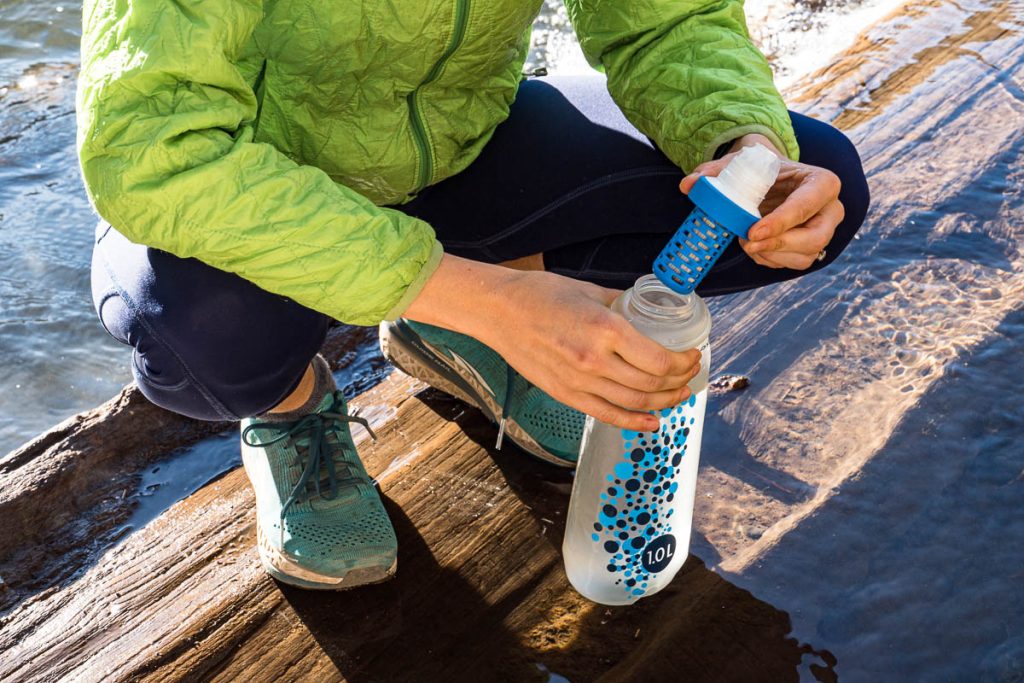
4. Water Collection Techniques
Effective water collection depends on terrain, weather, and available resources:
4.1 Direct Collection
- Using bottles, collapsible containers, or natural containers (bamboo, gourds)
- Positioning downstream or in flowing areas for cleaner water
4.2 Improvised Collection
- Plastic Sheeting or Tarps: Collect rainwater or dew
- Solar Still: Using sunlight to evaporate and condense water from soil or vegetation
- Dew Traps: Collect moisture from leaves with absorbent cloth
4.3 Snow and Ice Collection
- Melt snow in containers or by using body heat or portable stoves
- Avoid eating snow directly to prevent hypothermia
- Filter impurities before consumption if possible
Tip: Always use clean containers and avoid contaminating water during collection.
5. Filtration Methods
Filtration is the first step in purification, removing visible debris and some pathogens:
5.1 Cloth or Bandana Filtering
- Quick method using a clean cloth, t-shirt, or coffee filter
- Removes large debris and sediment
- Often used as a pre-filter before other purification steps
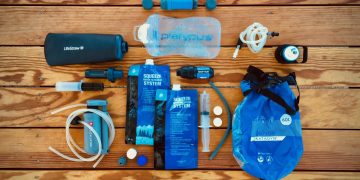
5.2 Portable Water Filters
- Pump Filters: Force water through ceramic or fiber membranes
- Gravity Filters: Allow water to flow through filters by gravity
- Squeeze Filters: Lightweight and ideal for ultralight backpacking
Considerations: Filter pore size determines effectiveness—0.2–0.4 microns is recommended for bacteria and protozoa.
5.3 Improvised Filtration
- Layered materials: sand, charcoal, gravel, and cloth
- Effective for sediment removal but not sufficient for biological disinfection
6. Disinfection Techniques
Disinfection kills pathogens that filtration alone may not remove:
6.1 Boiling
- Method: Bring water to a rolling boil for 1–3 minutes (longer at higher altitudes)
- Advantages: Kills bacteria, protozoa, and viruses
- Considerations: Requires fuel and time; taste can be improved by aeration
6.2 Chemical Treatment
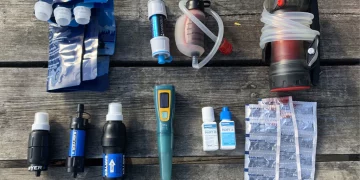
- Chlorine or Iodine Tablets: Lightweight, effective against bacteria and viruses
- Household Bleach: 2–4 drops per liter; must be used carefully
- Considerations: Less effective against some protozoa (e.g., Cryptosporidium)
6.3 Ultraviolet (UV) Light Purifiers
- Portable UV pens or devices disrupt DNA of microorganisms
- Effective, fast, and lightweight
- Requires clear water; turbidity can reduce effectiveness
6.4 Solar Disinfection (SODIS)
- Water in clear PET bottles exposed to sunlight for 6 hours or more
- UV rays inactivate pathogens
- Low-cost method for emergency situations
7. Advanced Water Treatment Considerations
For long-term survival or highly contaminated areas:
7.1 Chemical Contaminants
- Activated carbon filters can reduce taste, odor, and some chemicals
- Reverse osmosis systems remove dissolved salts and heavy metals (more suitable for base camps)
7.2 Multiple Treatment Steps
- Pre-filter → Chemical or UV disinfection → Activated carbon post-filter
- Ensures maximum safety in uncertain environments
8. Practical Strategies for Wilderness Water Management
8.1 Planning and Mapping Water Sources
- Identify reliable water sources before departure
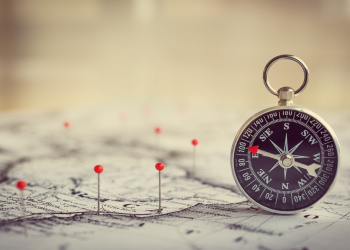
- Use topographic maps and GPS to mark springs, rivers, and lakes
8.2 Storage and Transport
- Collapsible bladders, bottles, and hydration packs
- Carry enough to cover periods without access
- Avoid cross-contamination during storage
8.3 Monitoring Personal Hydration
- Drink regularly to maintain energy and prevent dehydration
- Monitor urine color and thirst cues
- Adjust intake based on exertion and climate conditions
9. Safety and Risk Considerations
- Always assume untreated water is contaminated
- Filter and disinfect even “clear” mountain streams
- Be aware of potential wildlife contamination
- Avoid stagnant water near campsites
Emergency Preparedness: Carry backup treatment methods (tablets, portable filters) in case primary methods fail.
10. Bushcraft and Wilderness Integration
Water collection and purification are fundamental bushcraft skills:
- Enhances self-reliance and survival capability
- Integrates with other skills: shelter building, firecraft, foraging
- Encourages mindfulness and environmental awareness
- Critical for extended backcountry expeditions, ultralight hiking, and survival scenarios
11. Environmental Ethics and Sustainability
Responsible water practices minimize ecological impact:
- Avoid contaminating water sources with soap, food waste, or human waste
- Use natural drainage points and avoid sensitive wetlands
- Follow Leave No Trace principles for minimal impact
Sustainable water practices ensure healthy ecosystems for future adventurers.
12. Technological Innovations in Water Purification
Modern developments enhance wilderness water safety:
- Lightweight UV purification pens (e.g., SteriPEN)
- Compact ceramic and carbon fiber filters
- Portable desalination kits for coastal or saltwater environments
- Collapsible solar stills for emergency water generation
These tools complement traditional techniques and provide flexibility in diverse environments.
Conclusion: Mastering Wilderness Water Collection and Purification
Water is the cornerstone of survival, and mastery of collection and purification is a fundamental skill for outdoor enthusiasts. By combining knowledge of natural sources, effective filtration, disinfection, storage, and risk management, adventurers can maintain health and endurance in the wild.
The integration of traditional bushcraft principles with modern technology enables safe, sustainable, and efficient water management. Whether hiking, camping, or surviving in remote environments, understanding and practicing wilderness water skills transforms survival from a challenge into a manageable, confident process.
Proper water management not only safeguards life but also fosters self-reliance, mindfulness, and ecological stewardship, embodying the essence of responsible outdoor adventure.